Best Personal EKG Monitors of 2025:
September 06, 2022



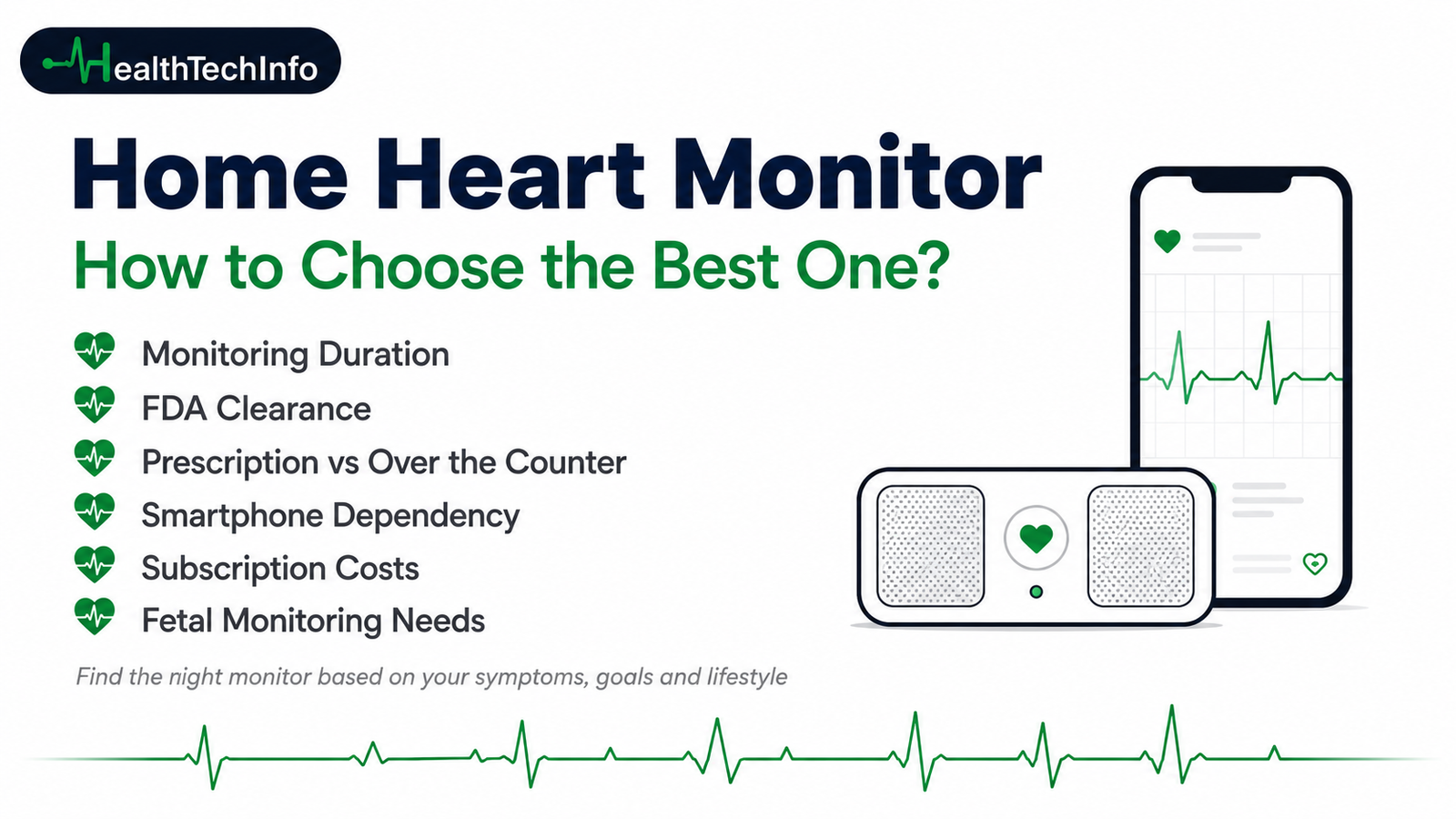
Choosing a home heart monitor depends on your symptoms, monitoring duration, and whether you need an FDA-cleared device. For on-demand rhythm checks, a personal EKG monitor works best. For continuous long-term recording, a wireless holter monitor is the right choice. Always confirm FDA clearance before purchasing any home heart monitor.
Millions of people across the United States now use a home heart monitor to track irregular rhythms, manage chronic heart conditions, and stay informed between doctor visits. With so many heart monitor devices on the market, this guide breaks down every type, key buying factors, and how to pick the right one for your situation.
A home heart monitor is a medical or consumer-grade device that records the electrical activity or rhythm of your heart outside a clinical setting. Unlike a standard in-office EKG that captures just 10 seconds of heart data, a home heart monitor can record continuously for hours, days, or even weeks, giving your physician a far more complete picture of your cardiac health.
These devices are used to detect conditions such as atrial fibrillation (AFib), bradycardia, tachycardia, and other rhythm abnormalities that may not appear during a brief office visit. Some devices also track heart rate during sleep, exercise, or moments of stress, providing data that would otherwise be invisible to your care team.
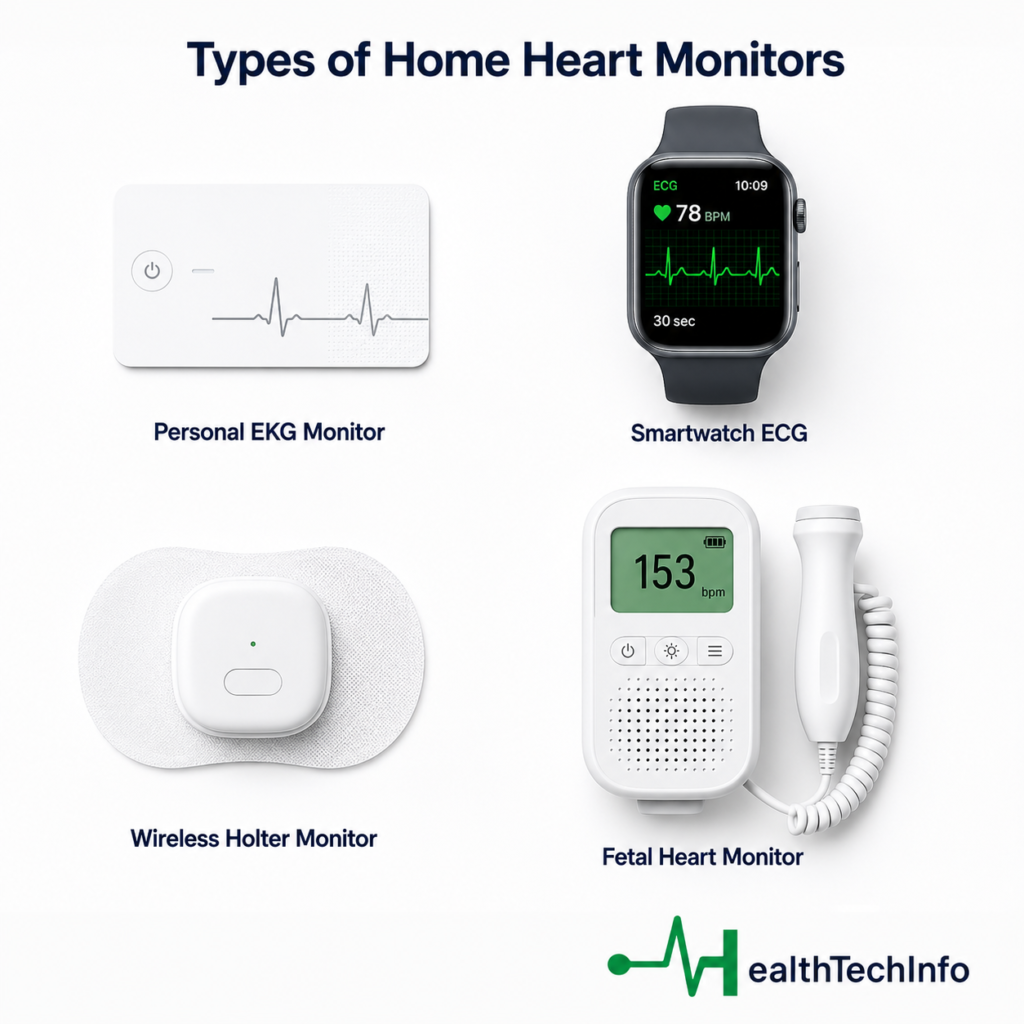
Not all heart monitors are built the same. Each type is designed for a specific monitoring purpose, duration, and level of clinical detail.
A wireless holter heart monitor is a portable device worn continuously for 24 to 72 hours. It records every heartbeat during that period and stores the data for physician review. Traditionally used for patients with frequent but brief arrhythmia episodes, modern wireless holter heart monitor options are patch-based and require no wires or bulky equipment. They are usually prescribed by a cardiologist and returned after the monitoring period for analysis.
An event monitor is worn for longer periods, typically 30 days, but only records when triggered. The patient activates it manually when symptoms appear, or an auto-trigger fires when the device detects an abnormal rhythm. This makes event monitors ideal for patients with infrequent symptoms that a standard holter might miss entirely.
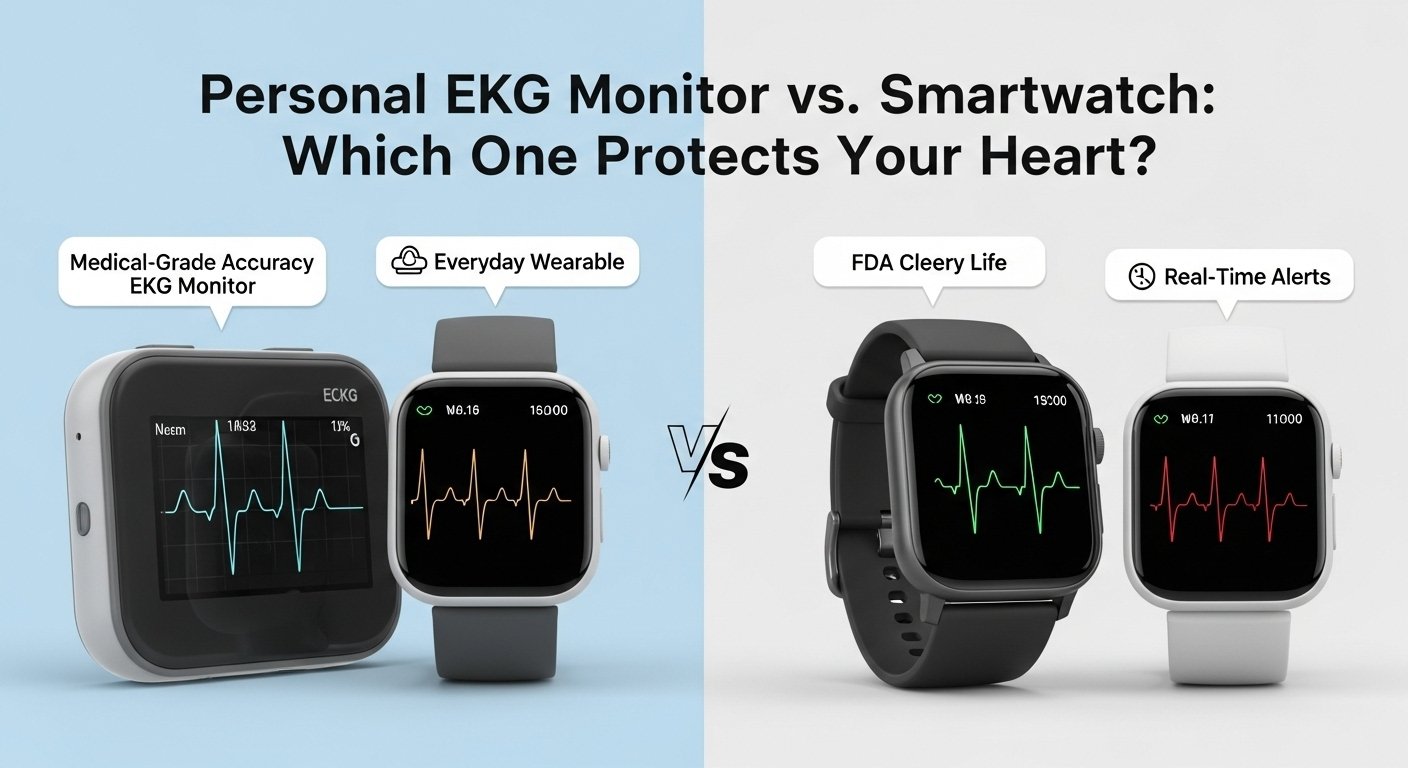
A personal EKG device is a consumer-grade heart monitor that captures an on-demand electrocardiogram in 30 seconds. Devices like the KardiaMobile 6L by AliveCor are FDA-cleared and deliver clinical-quality rhythm data through a smartphone app. These are the most accessible type of at home heart monitors available without a prescription, and they are widely recommended by cardiologists for patients with paroxysmal AFib.
Smartwatches like the Apple Watch Series 10 and Withings ScanWatch 2 carry FDA clearance for ECG recording and irregular rhythm detection. They function as a passive, wearable at home heart rate monitor that continuously scans for rhythm abnormalities in the background without requiring the user to initiate a recording. These are best suited to users who want always-on monitoring rather than on-demand snapshots.
For patients with very infrequent but serious episodes, a physician may recommend an implantable loop recorder, a small device inserted under the skin that monitors heart rhythm continuously for up to three years. This is a clinical-grade solution prescribed and managed entirely by a cardiologist.
A fetal heart rate monitor at home is a handheld doppler device used during pregnancy to listen to a baby’s heartbeat. These are widely available for consumer purchase and are used between prenatal appointments for reassurance monitoring. It is important to note that a fetal heart rate monitor at home is not a substitute for clinical prenatal care and should never be used to self-diagnose complications.
A home heart monitor is clinically appropriate for a wide range of patients and situations. You may benefit from one if you:
For a detailed breakdown of what these heart monitor devices can and cannot detect, it is important to understand the clinical boundaries of each device type before making a purchase decision.
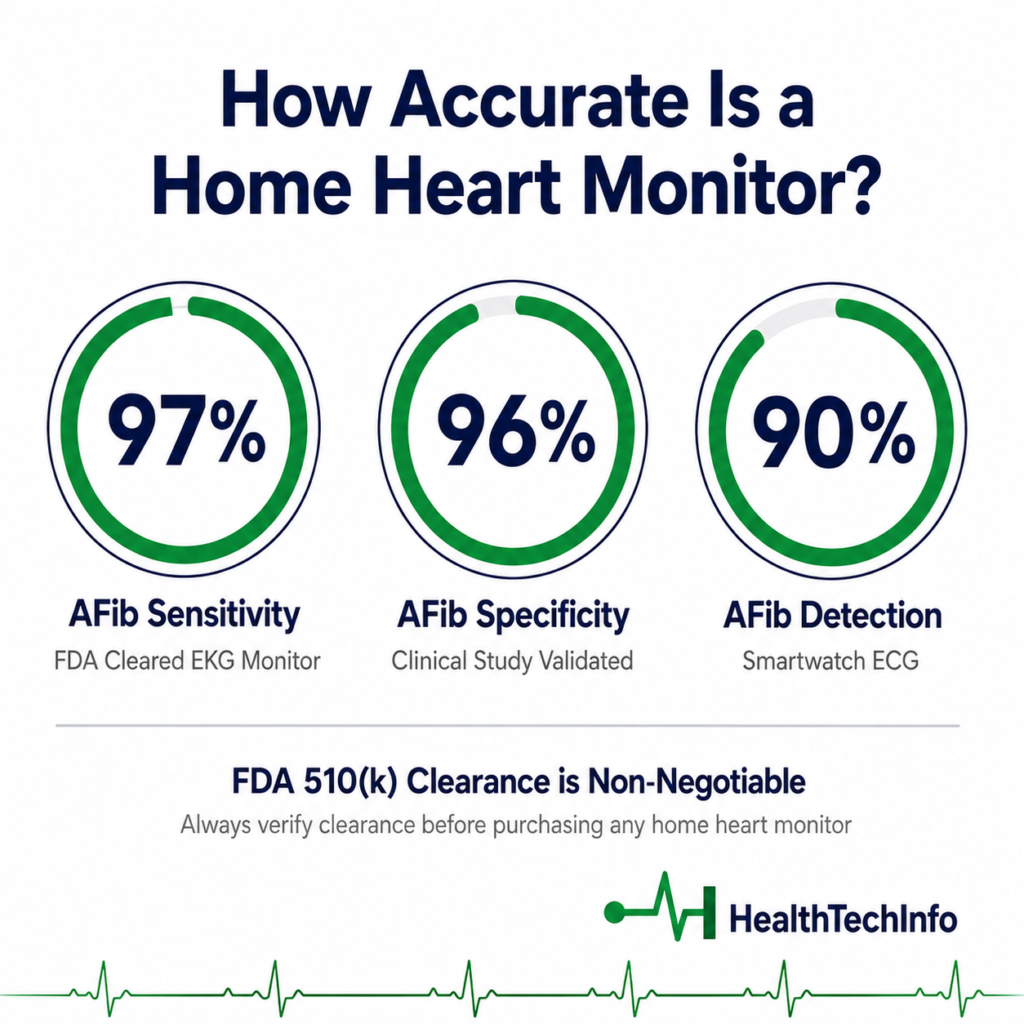
Accuracy varies significantly by device type and FDA clearance status. FDA-cleared personal EKG monitors such as the KardiaMobile 6L have demonstrated 97% sensitivity and 96% specificity for AFib detection in peer-reviewed clinical studies, comparable to hospital monitoring for rhythm analysis.
Smartwatch ECG features such as those in the Apple Watch show approximately 90% sensitivity for AFib, which is strong for a passive wearable though slightly below dedicated monitors. Consumer-grade heart rate monitors without FDA clearance have no independently validated accuracy standard and should not be relied upon for medical decisions.
The key rule: always verify that your chosen heart monitors carry active FDA 510(k) clearance before using them for cardiac monitoring.
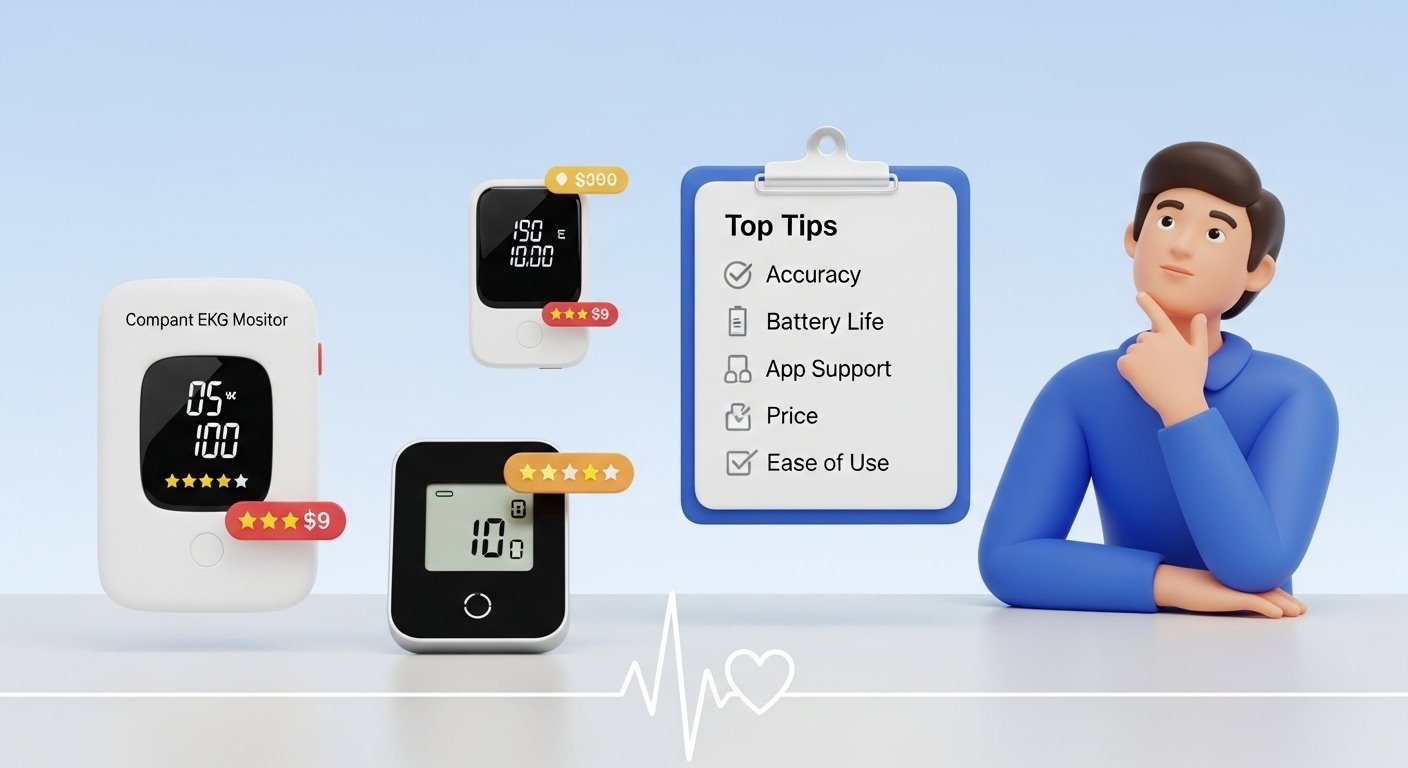
Selecting the right device depends on your symptoms, monitoring goals, and lifestyle. Here are the most important factors to evaluate:
Monitoring Duration: Do you need a 30-second snapshot or continuous 30-day recording? Personal EKG devices suit on-demand monitoring; holter monitors suit extended continuous recording.
FDA Clearance: This is non-negotiable. Only FDA-cleared devices carry clinically validated accuracy. Confirm clearance status before purchasing any heart monitor device.
Prescription vs. Over-the-Counter: Personal EKG monitors and smartwatch ECG features are available without a prescription. Holter monitors and event monitors are typically prescribed and provided by a cardiologist or hospital.
Smartphone Dependency: Some devices require a paired smartphone for recording and data sharing. Others such as standalone ECG monitors have built-in displays and work independently. Choose based on your comfort with technology.
Subscription Costs: Some devices gate advanced features behind monthly or annual subscriptions. Confirm what is included at baseline before purchasing.
Fetal Monitoring Needs: If you are pregnant, a fetal heart rate monitor at home serves an entirely different purpose from cardiac rhythm devices. Choose a dedicated fetal doppler from a reputable brand with clear instructions for safe use.
For a full side-by-side comparison of top brands and models currently available, reviewing a structured buyer’s resource can save significant time and reduce the risk of purchasing a device that does not match your clinical needs.
A hospital-grade cardiac monitor provides continuous 12-lead EKG data with real-time clinical interpretation. A home heart monitor, by contrast, is a screening and documentation tool that captures rhythm data to share with a physician but does not replace clinical evaluation.
The distinction matters. A home heart monitor can alert you and your doctor to a rhythm problem worth investigating. It cannot diagnose a condition, determine its cause, or guide treatment on its own. Always pair home monitoring with regular cardiology follow-up.
At Health Tech Info, our goal is to help you navigate these devices with accurate, clinically grounded information so you can make a confident choice about your cardiac health. You can also explore our dedicated personal EKG monitor category for in-depth device reviews and comparisons.
The KardiaMobile 6L by AliveCor is widely considered the best home heart monitor for clinical accuracy, offering FDA-cleared 6-lead EKG recording with 97% AFib detection sensitivity and no mandatory subscription.
FDA-cleared home heart monitors demonstrate clinical-grade accuracy. The KardiaMobile 6L shows 97% sensitivity for AFib, while non-FDA-cleared consumer devices have no independently validated accuracy standard.
Wear duration depends on device type. A holter monitor is typically worn for 24 to 72 hours while an event monitor may be worn for up to 30 days to capture infrequent symptoms.
The KardiaMobile 6L is the most cardiologist-recommended home heart monitor for AFib, combining FDA-cleared detection, 6-lead data, and seamless physician report sharing in a pocket-sized device.
Yes, an FDA-cleared home heart monitor can reliably detect irregular heartbeats including AFib, bradycardia, and tachycardia, though it cannot diagnose the underlying cause or replace a physician evaluation.