

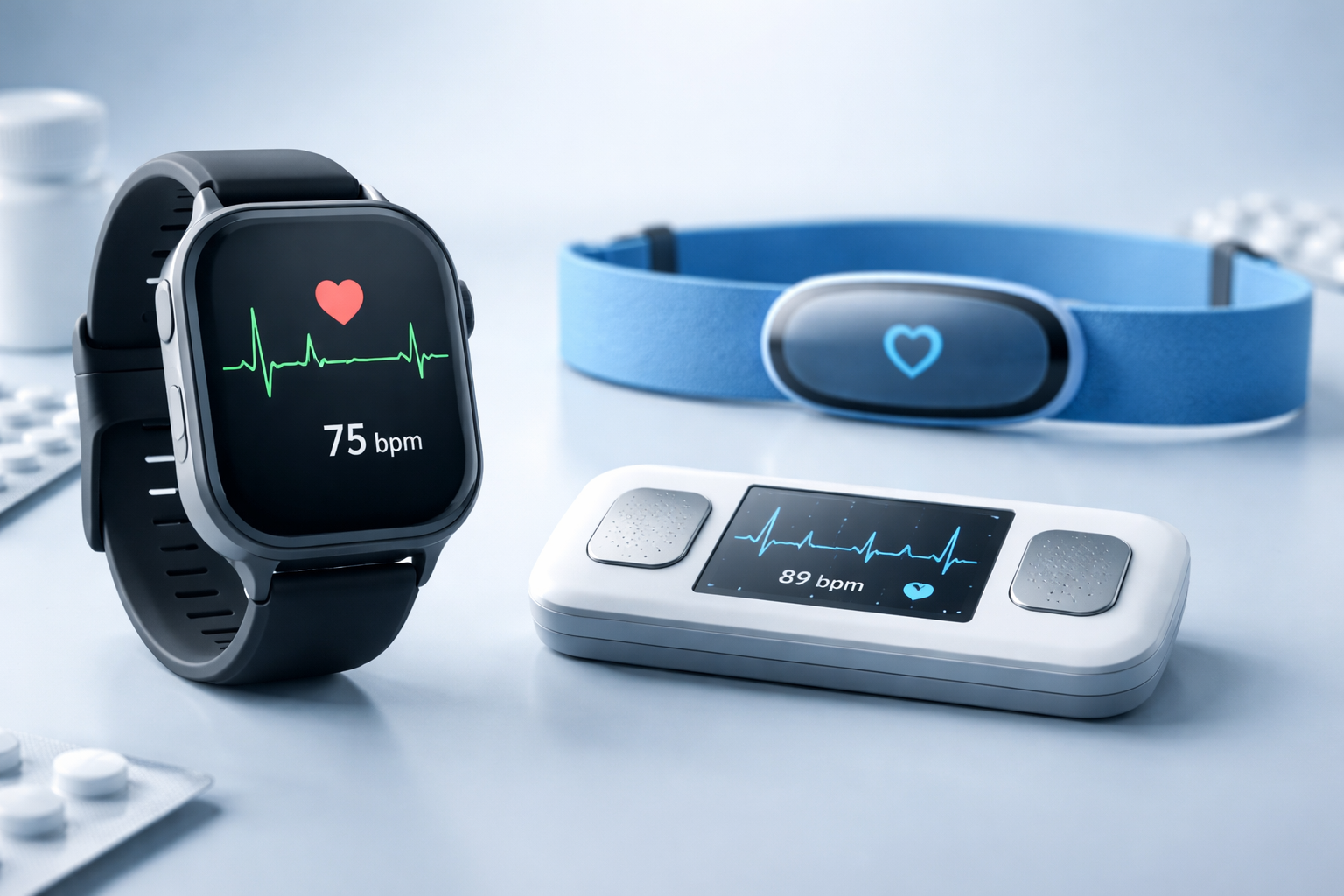
Heart health has become one of the most critical areas of modern healthcare, especially in the United States, where cardiovascular disease remains a leading cause of serious illness. Advances in medical technology have transformed how heart conditions are detected, monitored, and managed. Among these innovations, the wearable cardiac monitor stands out as a powerful tool that bridges the gap between clinical care and everyday life.
Unlike traditional diagnostic tools that capture only short snapshots of heart activity, wearable solutions enable continuous tracking over days or even weeks. This shift allows healthcare providers and patients alike to gain deeper insights into heart rhythm patterns, early warning signs, and long-term trends that were once difficult to capture.
This article explores how smart heart monitoring works, why it matters, who benefits most, and how to choose the right device—all while highlighting its growing role in modern healthcare.
Understanding Wearable Cardiac Monitoring USA
A wearable cardiac monitor is a compact medical device designed to track electrical and physiological signals from the heart over extended periods. These devices are worn on the body, typically on the chest or wrist, and are built to integrate seamlessly into daily routines.
Unlike hospital-based monitoring systems, wearables allow patients to go about their normal activities while their heart data is collected in the background. This makes it easier to identify irregularities that may not appear during a short clinical visit.
As digital health continues to evolve, these monitors are becoming smaller, smarter, and more accurate—making them a key component of preventive and personalized care.
Why Continuous Heart Monitoring Matters in USA
Traditional heart tests, such as standard electrocardiograms, capture only a brief moment in time. While useful, they may miss irregular events that occur sporadically.
Continuous cardiac monitoring provides a broader view of heart activity by tracking rhythms across daily life—during sleep, exercise, stress, and rest. This long-term data is invaluable for detecting subtle or infrequent abnormalities that could otherwise go unnoticed.
For individuals with known heart conditions or those at risk, continuous monitoring supports earlier diagnosis, better treatment decisions, and improved peace of mind.
How Wearable Cardiac Monitors Work
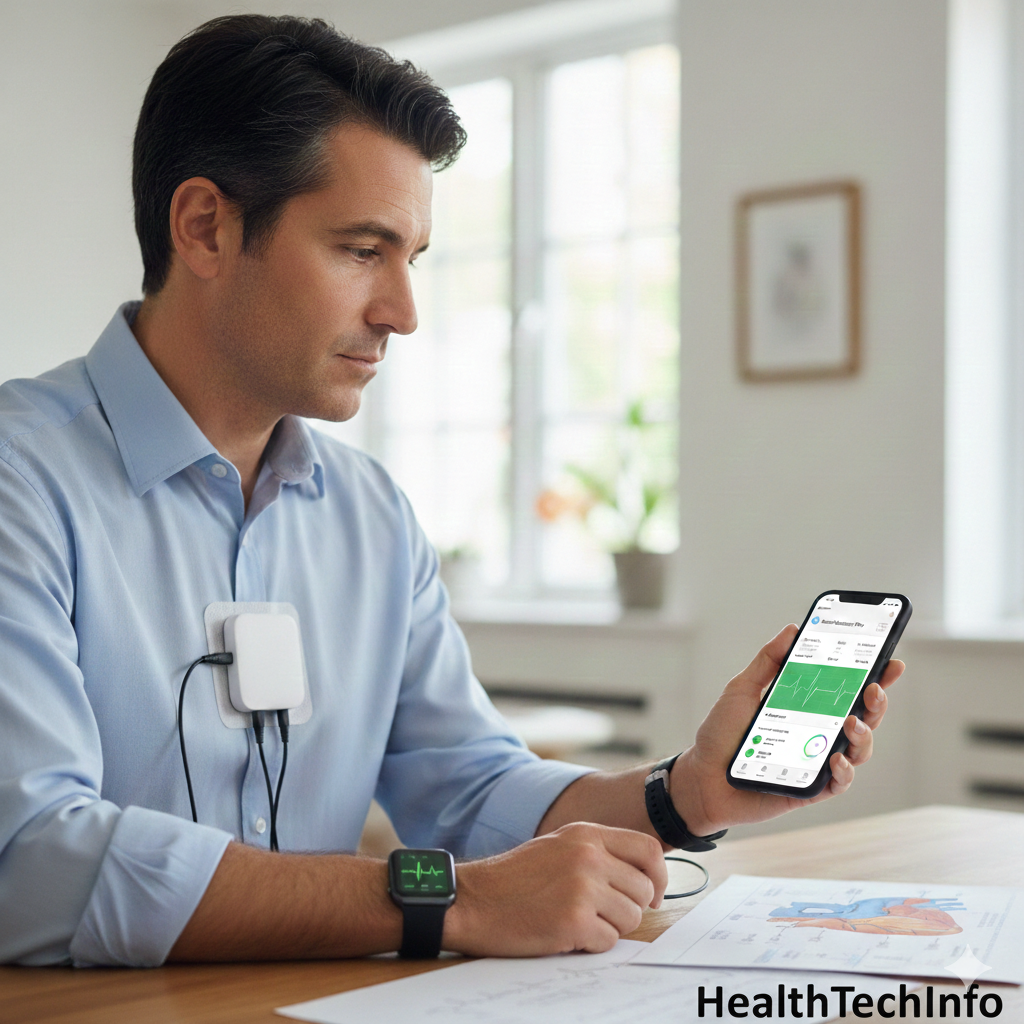
At their core, wearable cardiac monitors rely on sensors that detect electrical impulses generated by the heart. These signals are then processed and stored digitally.
Most modern systems pair with mobile apps or cloud-based platforms, allowing data to be transmitted securely to healthcare providers. In many cases, abnormal readings trigger alerts, prompting timely medical review.
Some devices function as a wearable ECG monitor, providing clinical-grade data that can support diagnostic decisions. Others focus on broader wellness tracking while still offering meaningful heart insights.
Who Benefits Most from Wearable Cardiac Monitors?
Wearable cardiac monitoring is useful for a wide range of individuals, from patients with diagnosed conditions to those focused on prevention.
1. Patients with Heart Rhythm Disorders
People experiencing palpitations, dizziness, or unexplained fatigue may benefit from a wearable heart rhythm monitor, which helps capture irregular patterns over time.
2. Individuals with Chronic Heart Conditions
Patients managing long-term cardiovascular conditions often require frequent monitoring. A heart rhythm monitoring device enables ongoing oversight without repeated hospital visits.
3. Older Adults and High-Risk Individuals
Age, family history, and lifestyle factors can increase cardiovascular risk. Wearable monitoring offers a proactive approach to identifying potential problems early.
4. Health-Conscious Consumers
Some people use a personal cardiac device as part of a broader wellness strategy, gaining insight into how stress, sleep, and activity affect heart health.
The Role of Remote Cardiac Monitoring
One of the most impactful advancements in this field is the integration of remote healthcare capabilities. Through remote cardiac monitoring USA programs, clinicians can review patient data without requiring in-person appointments.
This approach improves access to care, especially for patients in rural or underserved areas. It also reduces healthcare costs while maintaining high-quality oversight.
Remote monitoring is particularly valuable after procedures or hospital discharge, allowing doctors to track recovery and intervene early if concerns arise.
Wearable ECG Technology: Medical-Grade Insights
Many modern devices function as a wearable ECG device, offering accurate readings comparable to clinical equipment. These systems are often cleared or approved by regulatory bodies, ensuring reliability.
Unlike basic fitness trackers, ECG-capable wearables focus on capturing detailed electrical signals that help identify conditions such as atrial fibrillation or other rhythm disturbances.
Some users also refer to these tools as wearable EKG devices, a common alternative spelling that reflects the same core technology.
Comparing Wearable and Portable Cardiac Devices
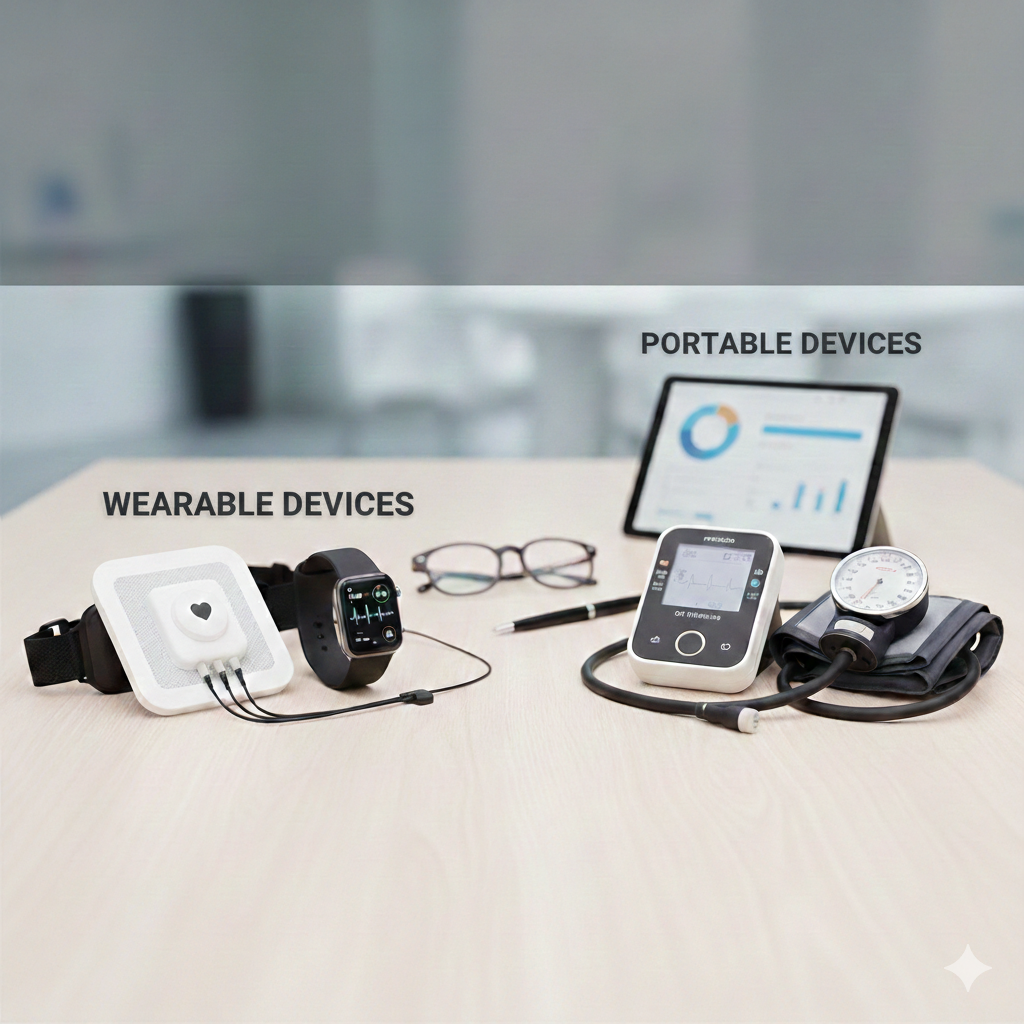
While wearable monitors are designed for continuous use, some people opt for handheld or intermittent solutions such as a portable EKG. These devices require manual activation and provide quick snapshots rather than ongoing tracking.
Wearable monitors, by contrast, offer a more comprehensive picture by recording data throughout daily life. For individuals with intermittent symptoms, continuous wear can be particularly valuable.
Key Features to Look for in a Wearable Cardiac Monitor
Choosing the right device depends on individual needs, medical guidance, and lifestyle preferences. Here are some important features to consider:
Accuracy and Reliability
Medical-grade sensors and validated algorithms are essential for meaningful data.
Comfort and Wearability
Since the device may be worn for extended periods, comfort is critical.
Data Access and Sharing
Easy access to reports and the ability to share data with healthcare providers adds significant value.
Smart Integration
A smart heart monitor often includes mobile app support, cloud storage, and automated alerts.
Battery Life
Longer battery life ensures uninterrupted monitoring.
Buying a Wearable Cardiac Monitor in the USA
The U.S. market offers a wide range of options, from prescription-based medical devices to consumer-oriented wearables. Many patients explore options online when looking to buy wearable cardiac monitor USA, but it’s always wise to consult a healthcare professional before making a decision.
Some devices are covered by insurance when prescribed, while others are purchased directly by consumers seeking proactive health insights.
When evaluating options, pay attention to regulatory approvals, clinical validation, and support services.
Choosing the Best Wearable Cardiac Monitor
Determining the best cardiac monitors depends on how the device will be used. A patient with a diagnosed condition may prioritize medical accuracy and physician connectivity, while a wellness-focused user may value convenience and lifestyle insights.
No single solution fits everyone, which is why understanding your personal health goals is essential before selecting a device.
Data Privacy and Security Considerations
With increased connectivity comes the responsibility to protect sensitive health information. Reputable wearable cardiac monitoring platforms prioritize data encryption, secure storage, and compliance with healthcare privacy regulations.
Before using any device, review its privacy policies and understand how your data is collected, stored, and shared.
The Future of Wearable Cardiac Monitoring
The future of cardiac monitoring is increasingly personalized, predictive, and connected. Artificial intelligence and advanced analytics are improving the ability to detect subtle patterns and predict potential risks.
As technology continues to advance, wearable devices will likely become even more integrated into everyday healthcare, supporting earlier interventions and better long-term outcomes.
Why Wearable Cardiac Monitoring Matters for Preventive Health
Preventive care is a cornerstone of modern medicine. By identifying irregularities early, wearable monitoring empowers individuals to take control of their heart health before problems escalate.
For healthcare systems, these tools support more efficient care delivery, reduced hospitalizations, and improved patient engagement.
Final Thoughts
A wearable cardiac monitor represents more than just a technological innovation—it’s a shift in how heart health is understood and managed. By providing continuous, real-world insights, these devices help bridge the gap between clinical visits and everyday life.
Whether used for medical necessity or proactive wellness, wearable cardiac monitoring is shaping the future of cardiovascular care in meaningful ways.
For more insights into health technology and digital healthcare trends, visit HealthTechInfo
Frequently Asked Questions (FAQs)
1. What is a wearable cardiac monitor used for?
It is used to track heart activity over extended periods, helping detect irregular rhythms and support ongoing heart health management.
2. Is wearable cardiac monitoring accurate?
Many devices offer medical-grade accuracy, especially those designed for clinical use and approved by regulatory authorities.
3. Can ECG monitor device replace doctor visits?
They complement medical care but do not replace professional diagnosis or treatment.
4. Who should consider using a wearable cardiac monitor?
Individuals with heart conditions, those at higher risk, and people interested in proactive heart health may benefit.
5. Are wearable ECG monitors comfortable to wear?
Most modern devices are designed for comfort and daily use, even over long monitoring periods.