


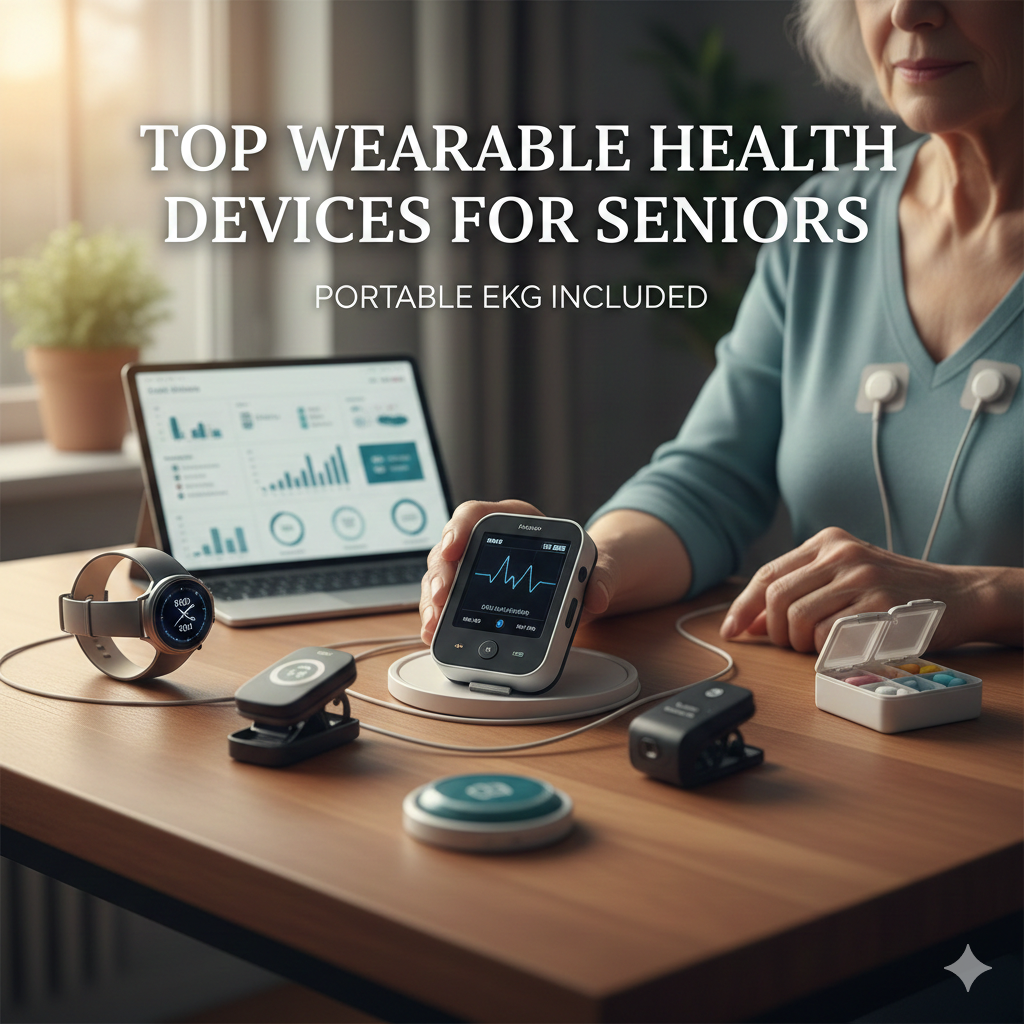
Monitoring heart health is essential for seniors, especially with the increasing risk of cardiovascular conditions as people age. Modern wearable health devices have revolutionized this process, allowing seniors to track vital signs such as heart rate and blood pressure conveniently and accurately. These devices offer a combination of safety, independence, and continuous health insights.
In this article, we explore top wearable health devices for seniors, their features, benefits, and how they can improve overall cardiovascular wellness in the USA.
Why Wearable Health Devices Are Important for Seniors
With advancing age, the risk of heart disease, hypertension, and arrhythmias increases. Traditional checkups are important, but continuous monitoring can provide early detection of potential health issues.
Benefits include:
-
Continuous Monitoring: Devices track heart rate, blood pressure, and other vitals 24/7, giving real-time insights.
-
Early Detection of Irregularities: Sudden changes in heart rhythm or blood pressure can trigger alerts for timely intervention.
-
Remote Health Management: Data can be shared with healthcare providers or caregivers for remote patient monitoring, reducing the need for frequent doctor visits.
-
Enhanced Independence: Seniors can maintain daily activities without constantly visiting clinics.
-
Data for Lifestyle Adjustments: Wearables provide feedback that helps seniors adjust activity levels, sleep patterns, and stress management.
Wearable health devices not only support seniors’ physical health but also improve quality of life by enabling proactive and informed health decisions.
Key Features to Consider in Wearable Health Devices for Seniors
When selecting a wearable device, seniors and caregivers should focus on features that combine accuracy, convenience, and safety:
1. Heart Rate Monitoring
A reliable heart rate monitor tracks resting, active, and elevated heart rates, providing early warning signs for arrhythmias or abnormal heart activity.
2. Blood Pressure Monitoring
Devices capable of measuring blood pressure in real-time help manage hypertension or hypotension, giving seniors and their doctors actionable information.
3. ECG / EKG Monitoring
Wearable ECG monitor devices allow users to record heart rhythm and detect irregularities, which is especially useful for seniors with cardiac risk factors.
4. Accuracy and Medical-Grade Certification
Medical-grade wearable devices often meet regulatory standards and are designed to provide precise readings comparable to clinical equipment.
5. Ease of Use
Devices with simple interfaces, large displays, and clear notifications are ideal for seniors, reducing the learning curve and increasing adherence.
6. Alerts and Notifications
Automatic alerts for abnormal heart rates or blood pressure ensure timely attention from the user or caregiver.
7. Battery Life
Devices with long-lasting batteries minimize interruptions in monitoring and reduce the hassle of frequent charging.
8. Connectivity and Integration
Wearables that connect to smartphones or healthcare systems allow data storage, trend analysis, and remote patient monitoring, enabling doctors to provide better-informed care.
Types of Wearable Health Devices for Seniors
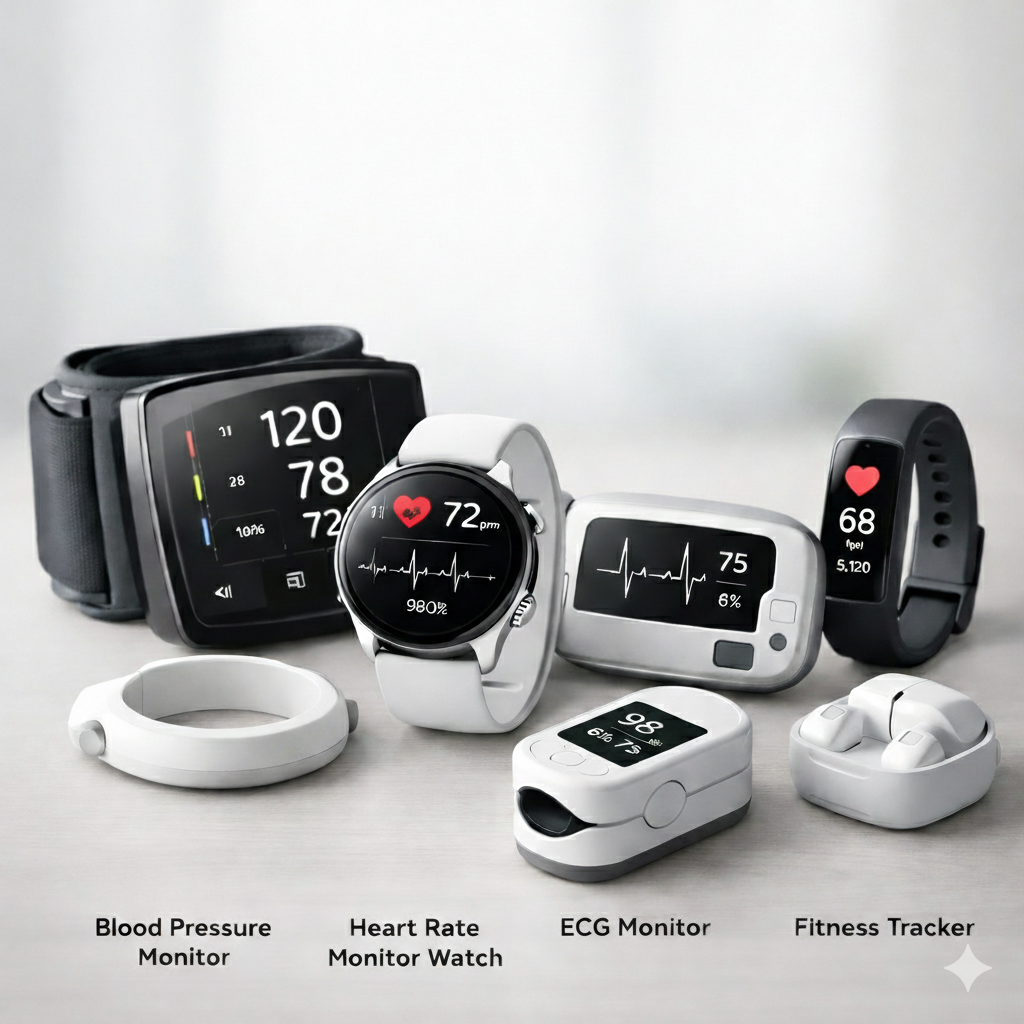
Wearable devices for seniors can be grouped into several categories depending on their function and monitoring capabilities:
1. Heart Rate Monitors
These devices measure the pulse continuously, detecting irregular rhythms or spikes that may indicate health issues. Advanced sensors can track resting, active, and recovery heart rates.
2. Blood Pressure Monitors
Portable blood pressure monitors worn on the wrist or upper arm allow seniors to track their readings throughout the day. These devices often store historical data for trend analysis.
3. ECG / EKG Monitors
Wearable ECG devices record the electrical activity of the heart. They are critical for detecting arrhythmias, atrial fibrillation, or other cardiac irregularities. Many devices allow easy sharing of results with healthcare providers.
4. Multi-Sensor Health Wearables
Some devices combine multiple sensors, tracking heart rate, blood pressure, oxygen levels, sleep patterns, and physical activity. These smart health wearables offer a holistic view of cardiovascular and overall health.
5. Remote Patient Monitoring Devices
These devices transmit health data to caregivers or healthcare systems, supporting telehealth and remote management. They are especially useful for seniors who cannot visit clinics frequently.
How Wearable Health Devices Improve Senior Care
-
Early Detection of Health Issues: Continuous monitoring helps detect problems before they become serious.
-
Informed Medical Decisions: Historical data from health tracking devices enables doctors to make accurate diagnoses.
-
Reduced Hospital Visits: Remote monitoring reduces unnecessary hospital visits while still maintaining oversight of health.
-
Peace of Mind: Both seniors and their families can feel confident knowing vital signs are being monitored.
-
Encouragement for Healthy Habits: Wearable devices provide feedback that encourages walking, exercise, and better sleep routines.
Choosing the Right Device for Seniors
When selecting a wearable device, consider the following factors:
-
Health Needs: Focus on devices that monitor the vitals most important to the senior user, like heart rate or blood pressure.
-
Ease of Use: Seniors should have access to simple interfaces and clear displays.
-
Reliability: Look for devices tested for accuracy and, if possible, medical-grade certification.
-
Connectivity: Devices that sync to mobile apps or cloud platforms allow trend tracking and caregiver oversight.
-
Affordability: Some devices provide core monitoring features at a reasonable price.
Tips for Seniors Using Wearable Health Devices
-
Wear the device consistently for reliable readings.
-
Sync with smartphone apps to track trends over time.
-
Set notifications for abnormal readings.
-
Share data with caregivers or healthcare providers regularly.
-
Update software and firmware to ensure optimal device performance.
Common Misconceptions About Wearable Health Devices
Myth 1: Wearable devices are only for fitness enthusiasts.
Fact: Many wearable health devices are medical-grade and provide critical cardiovascular monitoring.
Myth 2: Seniors cannot use wearable devices effectively.
Fact: Devices designed with simplicity, large displays, and clear notifications are very senior-friendly.
Myth 3: Wearables replace doctors.
Fact: Wearable devices complement medical care and provide additional insights, but professional consultation remains essential.
The Future of Wearable Health Devices
Wearable technology is rapidly evolving. Future trends for seniors in the USA include:
-
AI-powered health monitoring: Algorithms that predict health issues before symptoms appear.
-
Integration with telehealth platforms: Remote monitoring for doctors and caregivers.
-
Advanced multi-sensor devices: Combining heart rate, blood pressure, oxygen, sleep, and activity data in one wearable.
-
Personalized health insights: Data-driven recommendations for healthier living.
These innovations will make wearable health devices even more vital for seniors seeking independence and safety.
Empowering Seniors with Wearable Health Technology
Wearable health devices have become essential tools for seniors in the USA to monitor heart rate and blood pressure. These devices provide continuous, reliable, and actionable health insights while promoting independence and peace of mind.
From portable ECG monitors to smart health wearables, seniors now have access to technology that supports proactive healthcare management. Choosing the right device depends on usability, accuracy, connectivity, and monitoring needs.
By integrating wearable health devices into daily life, seniors can live safer, healthier, and more independent lives, while healthcare providers gain valuable data for informed care decisions.
FAQ – Wearable Health Devices for Seniors
Q1: Are wearable health devices accurate for seniors?
Yes. Medical-grade wearable ECG monitor devices and heart rate monitors provide reliable data when used correctly.
Q2: Can seniors use wearable devices without smartphones?
Many devices display readings directly on the wearable. While syncing with a smartphone app adds benefits like trend tracking, it is not always required.
Q3: Do wearable devices replace doctor visits?
No. They complement healthcare by providing continuous monitoring, but medical consultations are still essential.
Q4: Which device is best for heart monitoring?
Devices that combine heart rate monitoring, ECG capabilities, and blood pressure tracking are ideal. Seniors should choose devices that fit their lifestyle and usability preferences.
Q5: Are wearable health devices covered by insurance in the USA?
Some medical-grade devices may be reimbursed by insurance, depending on the plan. Always check coverage with your provider.