


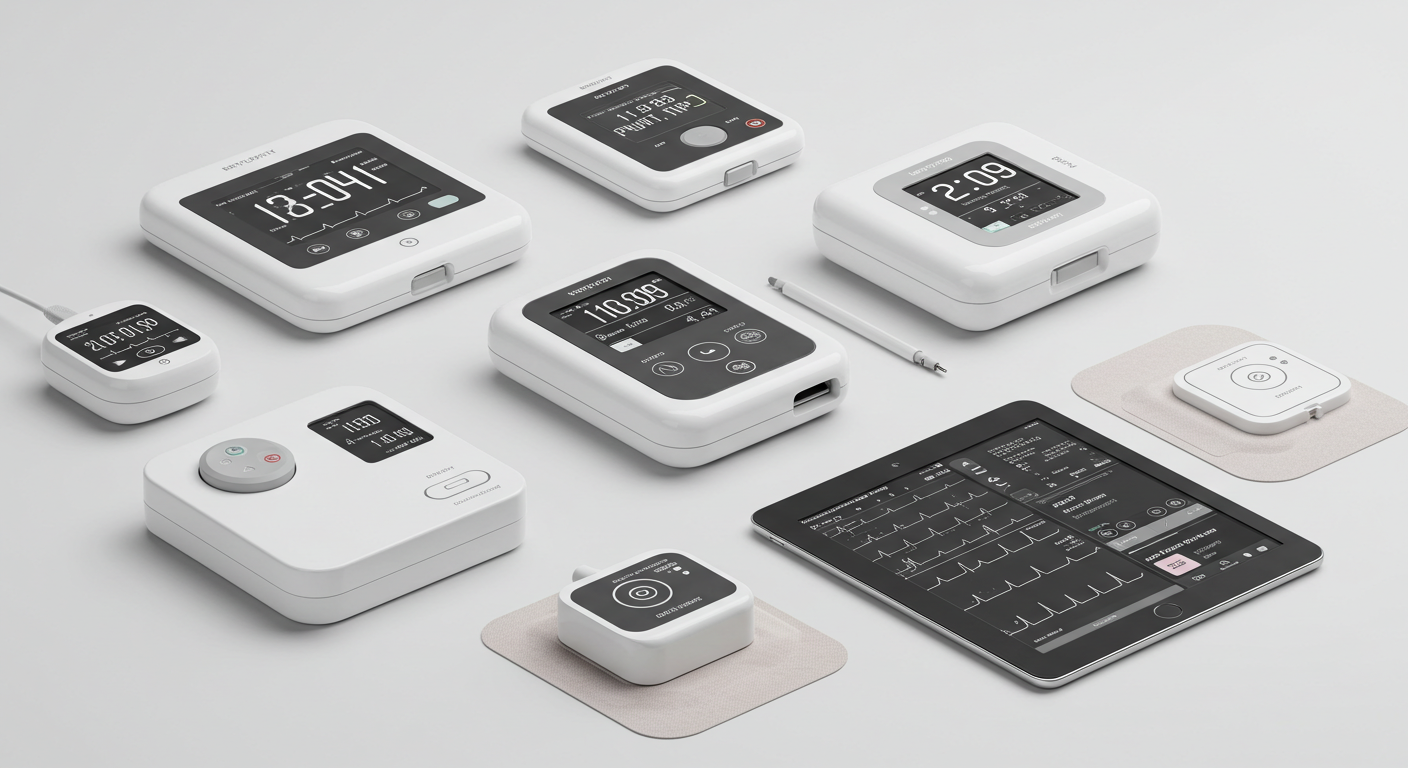
Your heart beats over 100,000 times daily, yet most people never truly understand what’s happening beneath their chest. Modern technology has revolutionized cardiac care, making it possible to monitor your heart’s electrical activity from home. A personal EKG monitor empowers you to take control of your cardiovascular health like never before.
Why Heart Monitoring Matters More Than Ever
Heart disease remains America’s leading killer, claiming lives every 34 seconds. Early detection saves lives, and home monitoring technology bridges the gap between doctor visits. A personal ECG device provides real-time insights into your heart’s rhythm, helping identify irregularities before they become dangerous.
Modern life brings unique stressors that affect heart health. Remote work, increased screen time, and sedentary lifestyles create new cardiac risks. Having an ECG monitor means catching problems early, when treatment options are most effective.
The emotional peace of mind these devices provide cannot be overstated. Knowing you can check your heart rhythm whenever anxiety strikes transforms how you approach daily activities and stress management.
Understanding EKG Technology in Simple Terms
EKG technology measures your heart’s electrical signals through sensors placed on your skin. These electrical impulses create patterns that reveal important information about your cardiac function. A personal EKG monitor translates these complex signals into understandable data.
Think of your heart as an electrical system. Each heartbeat starts with an electrical impulse that spreads through heart muscle, causing contractions. EKG machines capture these impulses and display them as waveforms, showing doctors and patients exactly how the heart performs.
Modern devices use advanced algorithms to analyze these patterns automatically. They can detect irregular rhythms, missed beats, and other concerning changes that might indicate underlying problems.
Key Features That Define Quality EKG Monitors
Superior personal EKG monitor devices share several essential characteristics that separate professional-grade equipment from basic consumer gadgets. Accuracy stands as the most crucial factor, with medical-grade sensors providing hospital-quality readings.
Battery life determines practical usability. Premium devices offer weeks of continuous monitoring, while budget options may require daily charging. Look for devices with at least 48-hour battery life for meaningful continuous monitoring.
- Lead Configuration: Single-lead devices work for basic rhythm detection, while multi-lead systems provide comprehensive cardiac analysis
- Data Storage: Internal memory should hold at least 30 days of recordings for trend analysis
- Connectivity: WiFi and Bluetooth capabilities enable seamless data sharing with healthcare providers
- Display Quality: Clear, readable screens make interpreting results easier during stressful moments
Software integration plays a vital role in long-term health management. The best personal EKG monitor options include companion apps that track trends, generate reports, and facilitate communication with medical professionals.
Different Types of Personal EKG Machines Available
The market offers various personal EKG monitor styles, each designed for specific monitoring needs and lifestyles. Handheld devices provide on-demand testing, perfect for checking symptoms as they occur.
- Chest strap monitors deliver continuous monitoring during exercise and daily activities. These devices excel at detecting exercise-induced arrhythmias and provide comprehensive 24-hour rhythm analysis. The heart rate machine functionality integrates seamlessly with fitness tracking apps.
- Smartwatch-integrated EKG features offer convenient monitoring without carrying additional devices. However, they typically provide single-lead readings, which may miss certain cardiac abnormalities that multi-lead systems would detect.
- Patch-style monitors adhere to your chest for extended wear, offering hospital-grade monitoring in home environments. These EKG devices work excellently for patients with intermittent symptoms requiring longer observation periods.
Medical Accuracy vs. Consumer Convenience
Medical professionals require specific accuracy standards that consumer devices don’t always meet. FDA-approved personal EKG devices undergo rigorous testing to ensure clinical-grade reliability.
Consumer devices focus on user experience, offering simplified interfaces and basic rhythm analysis. While convenient, they may miss subtle abnormalities that medical-grade equipment would detect. Understanding this trade-off helps set appropriate expectations.
The EKG machine for home category includes both medical-grade and consumer-focused options. Medical-grade devices cost more but provide accuracy levels that doctors trust for diagnostic purposes.
Consumer devices excel at trend monitoring and general wellness tracking. They help users understand their baseline rhythm patterns and notice significant changes that warrant medical attention.
Essential Factors for Your Selection Process
Your medical history significantly influences which personal EKG monitor serves you best. Patients with known cardiac conditions need medical-grade accuracy, while healthy individuals seeking wellness monitoring can choose consumer-friendly options.
- Lifestyle considerations affect device selection. Active individuals need water-resistant, durable monitors that withstand sweat and movement. Elderly users may prefer larger displays and simplified controls for easier operation.
- Budget constraints often determine available options. Entry-level personal ECG devices start around $99, while professional-grade systems can exceed $500. Consider the long-term value of accurate monitoring against upfront costs.
- Technical comfort levels matter significantly. Some devices require smartphone apps and cloud connectivity, while others operate independently. Choose systems that match your technology preferences and capabilities.
Integration with Healthcare Providers
Modern personal EKG monitor devices excel at sharing data with medical professionals. Cloud-based platforms allow doctors to review your cardiac data remotely, improving care coordination between visits.
Many devices generate PDF reports that you can email directly to healthcare providers. This feature proves invaluable during medical emergencies or when seeking second opinions from specialists.
The ECG heart rate monitor functionality enables comprehensive cardiac assessment when combined with professional interpretation. Doctors can analyze trends, identify patterns, and adjust treatments based on real-world data.
Some healthcare systems integrate directly with specific personal heart rate monitor brands, streamlining data flow and reducing administrative burden for both patients and providers.
Common Mistakes People Make When Choosing
Many buyers focus solely on price, choosing the cheapest option without considering long-term needs. A personal EKG monitor represents an investment in health that should prioritize accuracy and reliability over initial cost savings.
- Overlooking battery life leads to monitoring gaps during critical periods. Devices that die unexpectedly provide no protection during cardiac emergencies or concerning symptom episodes.
- Ignoring FDA approval status creates potential accuracy issues. Non-approved devices may provide misleading results that could delay appropriate medical treatment or create unnecessary anxiety.
- Failing to consider data-sharing capabilities limits the device’s medical value. An EKG monitor that cannot communicate with healthcare providers offers limited long-term benefit beyond personal.
Setting Up Your Home Monitoring System
Proper setup ensures accurate readings and reliable performance from your personal EKG monitor. Start by reading all instructions thoroughly and understanding proper electrode placement techniques.
Create a dedicated monitoring schedule that aligns with your daily routine. Consistent timing helps establish baseline patterns and makes abnormal readings more noticeable.
- Environment: Choose quiet locations free from electrical interference
- Skin Preparation: Clean, dry skin ensures optimal electrode contact
- Positioning: Remain still during readings to prevent motion artifacts
- Documentation: Record symptoms, activities, and medications for context
Regular calibration and maintenance keep your personal ECG machine performing optimally. Follow manufacturer guidelines for cleaning, storage, and periodic accuracy checks.
Maximizing the Benefits of Your Investment
Consistent use transforms your personal EKG monitor from an occasional tool into a comprehensive health management system. Daily readings establish personal baselines that help identify concerning changes early.
Share data proactively with healthcare providers during routine visits. This information helps doctors make more informed treatment decisions and adjust medications based on real-world cardiac performance.
Document correlations between symptoms, activities, and EKG findings. This information proves invaluable for diagnosing intermittent cardiac conditions that may not appear during brief office visits.
Stay educated about your cardiac health and understand what your ECG monitor results mean. Knowledge empowers better communication with healthcare providers and more confident health decisions.
Frequently Asked Questions
Q1: How accurate are personal EKG monitors compared to hospital equipment?
FDA-approved personal EKG monitor devices provide clinical-grade accuracy for rhythm analysis, though hospital equipment offers more comprehensive diagnostic capabilities.
Q2: Can I use my EKG monitor data for medical diagnosis?
While personal EKG monitors provide valuable health information, always consult healthcare professionals for medical diagnosis and treatment decisions.
Q3: How often should I take EKG readings at home?
Daily readings help establish baselines, while symptom-triggered readings provide diagnostic value. Your doctor can recommend an appropriate monitoring schedule.
Q4: Are personal EKG monitors covered by insurance?
Coverage varies by provider and medical necessity. Many insurance plans cover personal EKG devices when prescribed by physicians for specific cardiac conditions.
Investing in a personal EKG monitor represents a powerful step toward proactive health management. These devices bridge the gap between medical visits, providing continuous insight into your heart’s performance and peace of mind about your cardiovascular wellness.
The technology has matured to offer hospital-quality monitoring in convenient, user-friendly packages. Whether you’re managing existing cardiac conditions or pursuing preventive health strategies, the right personal EKG monitor becomes an invaluable partner in your healthcare journey.
Explore Healthtechinfo’s comprehensive selection of FDA-approved personal EKG monitors and find the perfect device for your health needs. Your heart deserves the best protection. Start monitoring today and take the first step toward better cardiac health.
Also read out : Heart monitors For home: Brand Comparisons.