


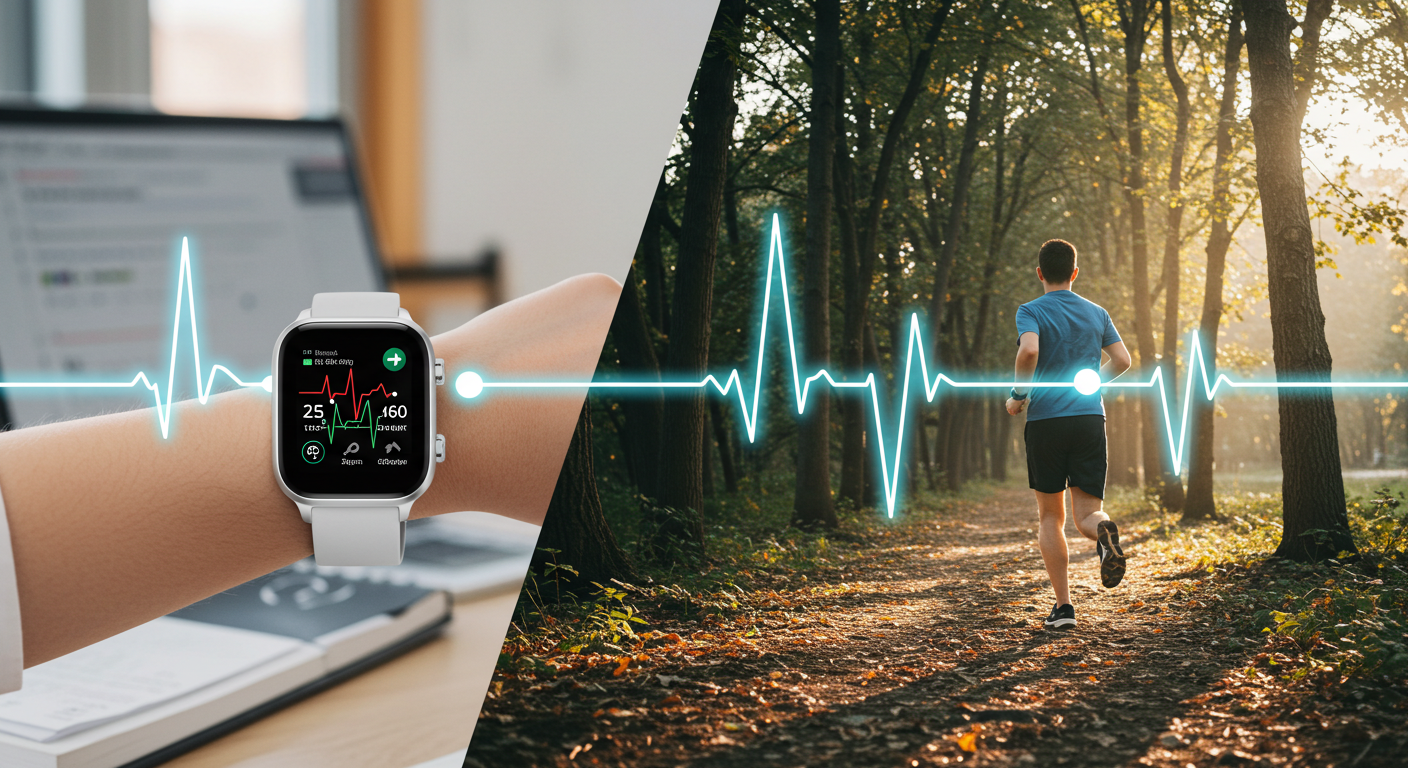
Prevention-focused heart care has changed a lot with the introduction of advanced monitoring devices. The portable cardiac monitor represents a big shift in how doctors approach early detection and prevention of heart diseases. These helpful devices enable continuous watching outside hospital settings. They provide valuable insights into heart health patterns and potential problems before they become serious health issues.
Heart disease remains the leading cause of death worldwide. Many heart problems develop slowly over many years. Regular monitoring helps doctors spot these changes early. Prevention works better than treatment after problems become severe. A portable cardiac monitor gives doctors the information they need to help patients stay healthy longer.
How Early Detection Saves Lives and Money
Early detection abilities have grown a lot through advanced monitoring devices. A portable cardiac monitor enables doctors to find small rhythm problems that regular office visits might miss. These devices capture symptoms that patients feel during daily activities. This provides complete data for accurate diagnosis.
The portable heart monitor allows continuous watching of heart function over long periods. This extended monitoring shows patterns invisible during short medical examinations. Doctors get access to detailed rhythm analysis. This enables proactive intervention strategies that work better than waiting for problems to get worse.
Many people have heart rhythm problems that come and go. These episodes might happen during sleep, exercise, or stress. Traditional heart tests might miss these important events. Continuous monitoring catches problems when they actually happen. This gives doctors the complete picture they need for proper treatment.
Key detection advantages include:
- Continuous rhythm watching during normal activities
- Capture of irregular heartbeats and other problems
- Real-time data sending to healthcare providers
- Better diagnostic accuracy through extended monitoring
- Early identification of potential heart events
Simple Home Monitoring That Works
Home heart monitoring has become much simpler and more reliable. Modern devices work automatically without complicated setup procedures. A portable cardiac monitor typically starts working within minutes of first use. Patients can begin monitoring immediately without special training or technical knowledge.
User-friendly designs make daily monitoring effortless and stress-free. Large, clear displays show important information in simple terms. Automatic data collection eliminates the need for manual record keeping. Simple button controls make operation easy for users of all ages and technical abilities.
Home monitoring benefits include:
- No need for frequent hospital or clinic visits
- Comfortable monitoring in familiar surroundings
- Automatic data collection and record keeping
- Simple operation with minimal user input
- 24/7 monitoring without lifestyle disruption
Patients maintain their normal daily routines while receiving continuous medical supervision. This balance between monitoring and normal life encourages long-term use. Better compliance leads to more complete health data and improved medical care.
Key detection advantages include:
- Continuous rhythm surveillance during normal activities
- Capture of intermittent arrhythmias and abnormalities
- Real-time data transmission to healthcare providers
- Enhanced diagnostic accuracy through extended monitoring
- Early identification of potential cardiac events
Transforming Patient Care Through Remote Monitoring
Remote monitoring capabilities revolutionize patient-physician relationships by enabling constant communication about cardiac health. The portable EKG monitor facilitates seamless data transmission between patients and healthcare teams. This connectivity ensures immediate response to concerning developments while maintaining patient autonomy and comfort.
Healthcare providers can monitor multiple patients simultaneously through centralized dashboard systems. Alert mechanisms in a portable cardiac monitor notify medical teams about significant changes in cardiac patterns, enabling rapid intervention when necessary. This proactive approach reduces emergency situations and hospitalizations.
Better Family Health and Peace of Mind
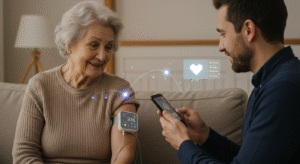
Family members benefit greatly from portable heart monitoring systems. Relatives can receive updates about their loved ones’ heart health status. This provides peace of mind, especially for elderly family members living independently. A portable cardiac monitor helps families stay connected to important health information.
Emergency situations become less frightening when monitoring systems provide immediate alerts. Family members can respond quickly to health problems. This reduces anxiety and stress for everyone involved. Automatic notifications ensure that help arrives quickly when needed.
Family benefits include:
- Immediate alerts during heart emergencies
- Regular updates on family member health status
- Reduced worry about elderly relatives living alone
- Better coordination of family medical care
- Shared access to important health information
A caregiver finds a portable cardiac monitor helpful for managing multiple family health needs. Simple monitoring systems reduce the complexity of caring for family members with heart conditions. Automated features handle most monitoring tasks without constant supervision.
Insurance Coverage and Financial Benefits
Insurance companies increasingly recognize the value of preventive heart monitoring. Many health plans now cover portable monitoring devices when prescribed by doctors. This coverage reflects the proven benefits of early detection and prevention strategies. Reduced emergency costs justify the investment in monitoring equipment.
Financial benefits extend beyond insurance coverage to include reduced medical expenses overall. Early detection prevents expensive emergency treatments and hospitalizations. Regular monitoring helps optimize medication use and reduce side effects. A portable cardiac monitor often pays for itself through reduced healthcare costs.
Cost savings include:
- Reduced emergency room visits and hospital stays
- Lower medication costs through better management
- Fewer specialist consultations and diagnostic tests
- Decreased travel costs for medical appointments
- Reduced time off work for medical care
Healthcare systems benefit from reduced burden on emergency services and hospital facilities. Preventive monitoring allows better resource allocation and improved patient care. Insurance companies see lower overall claim costs from covered patients.
The portable electrocardiogram machine enables patients to maintain normal routines while receiving continuous medical surveillance. This balance between monitoring and lifestyle preservation encourages patient compliance and long-term health management success.
Comprehensive Risk Assessment and Prevention
Risk stratification becomes more precise through continuous cardiac monitoring data. A portable cardiac monitor provides healthcare professionals with comprehensive baseline information for accurate risk assessment. This detailed analysis enables personalized prevention strategies tailored to individual patient profiles and specific cardiac vulnerabilities.
Preventive protocols benefit from real-time data collection that reveals subtle changes in cardiac function. The ekg machine portable captures variations that traditional testing methods might overlook. Healthcare providers develop targeted interventions based on specific patient data rather than generalized recommendations.
Assessment capabilities include:
- Baseline rhythm establishment for future comparison
- Identification of stress-related cardiac responses
- Monitoring of medication effectiveness and side effects
- Detection of exercise-induced abnormalities
- Evaluation of lifestyle factors affecting heart health
Clinical Applications in Modern Healthcare
Clinical applications span diverse medical specialties and patient populations. The ECG portable monitor serves cardiologists, primary care physicians, and specialists managing patients with various health conditions. These devices support comprehensive care plans that address multiple aspects of cardiovascular health maintenance.
Specialized programs utilize portable cardiac monitor technology for post-surgical monitoring, medication titration, and lifestyle modification support. The versatility of these devices accommodates various clinical protocols and patient-specific requirements. Healthcare facilities integrate portable monitoring into standard care procedures.
Clinical uses encompass:
- Post-cardiac procedure monitoring and recovery
- Medication adjustment and effectiveness evaluation
- Pre-operative risk assessment and preparation
- Chronic disease management and surveillance
- Research studies and clinical trial participation
The cardiac monitor portable functionality supports telemedicine initiatives that expand healthcare access to remote populations. Rural patients benefit from advanced cardiac monitoring without traveling to specialized facilities.
Technology Integration and Healthcare Innovation
Healthcare technology integration advances through sophisticated monitoring systems that connect multiple devices and platforms. A portable cardiac monitor interfaces with electronic health records, smartphone applications, and cloud-based analytics platforms. This connectivity creates comprehensive health monitoring ecosystems that enhance patient care coordination.
Artificial intelligence algorithms analyze cardiac monitoring data to identify patterns and predict potential health events. Machine learning capabilities improve diagnostic accuracy and enable personalized treatment recommendations. The heart monitor portable supports these advanced analytical capabilities.
Integration features include:
- Electronic health record synchronization
- Smartphone application connectivity
- Cloud-based data storage and analysis
- Artificial intelligence pattern recognition
- Predictive analytics for risk assessment
Patient Empowerment Through Self-Monitoring
Self-monitoring capabilities empower patients to take active roles in their cardiovascular health management. The portable EKG devices enable individuals to track their heart health independently while maintaining professional medical oversight. This autonomy encourages patient engagement and compliance with treatment protocols.
Educational components accompany monitoring devices, teaching patients to recognize normal variations and concerning symptoms. Patients develop better understanding of their cardiac health through direct observation and professional guidance. This knowledge enhances communication between patients and healthcare providers.
Empowerment benefits include:
- Increased awareness of personal health patterns
- Enhanced compliance with medication and lifestyle recommendations
- Improved communication with healthcare providers
- Reduced anxiety through continuous monitoring reassurance
- Active participation in health management decisions
The portable cardiac monitor technology provides patients with tangible evidence of treatment effectiveness and health improvements. This feedback mechanism motivates continued adherence to preventive care protocols and lifestyle modifications.
Cost-Effectiveness in Healthcare Delivery
Economic benefits extend throughout healthcare systems through reduced emergency interventions and hospitalizations. Preventive monitoring through portable cardiac monitor technology decreases healthcare costs by identifying issues before they require expensive treatments. Early intervention strategies prove more cost-effective than emergency medical responses.
Insurance providers recognize the value of preventive monitoring programs and increasingly cover portable cardiac monitoring services. These coverage decisions reflect evidence supporting cost savings through early detection and intervention strategies. Healthcare facilities benefit from reduced readmission rates and improved patient outcomes.
Cost-effectiveness measures include:
- Reduced emergency department visits and hospitalizations
- Lower overall healthcare costs through prevention
- Improved patient outcomes and satisfaction scores
- Decreased liability and malpractice risks
- Enhanced healthcare provider efficiency and productivity
Future Developments in Preventive Cardiology
Technological advancement continues expanding preventive cardiology capabilities through enhanced monitoring devices and analytical software. Future portable cardiac monitor systems will incorporate advanced sensors, longer battery life, and improved connectivity features. These developments promise even greater diagnostic accuracy and patient convenience.
Research initiatives focus on developing predictive algorithms that identify cardiac events days or weeks before clinical symptoms appear. Integration with wearable technology and Internet of Things devices creates comprehensive health monitoring environments. These innovations support proactive healthcare delivery models.
Future developments encompass:
- Enhanced sensor technology for improved accuracy
- Extended battery life and wireless charging capabilities
- Advanced artificial intelligence diagnostic algorithms
- Integration with smart home and wearable technologies
- Expanded connectivity and data sharing capabilities
Frequently Asked Questions
How long should a patient use a portable cardiac monitor?
Monitoring duration varies based on individual health conditions and physician recommendations. Typical monitoring periods range from 24 hours to several weeks, depending on symptoms and diagnostic requirements.
Are portable cardiac monitors covered by insurance?
Most insurance plans cover medically necessary cardiac monitoring when prescribed by healthcare providers. Coverage varies by specific device types and monitoring duration requirements.
How accurate are portable cardiac monitors compared to hospital equipment?
Modern portable cardiac monitor devices achieve accuracy levels comparable to hospital-grade equipment when properly calibrated and used according to manufacturer specifications.
Can a portable cardiac monitor detect all types of heart problems?
These devices excel at detecting rhythm abnormalities and electrical conduction issues. Some structural heart problems may require additional diagnostic testing beyond portable monitoring capabilities.
What should patients do if their monitor shows abnormal readings?
Patients should follow their healthcare provider’s specific instructions for abnormal readings. Most monitoring services include 24/7 technical support and medical consultation capabilities.
Advancing Preventive Care Through Innovation
The portable cardiac monitor represents a cornerstone technology in modern preventive cardiology. These devices enable healthcare providers to deliver proactive care that prevents serious cardiac events through early detection and intervention. Patients benefit from enhanced quality of life and reduced healthcare costs through effective monitoring programs.
Technology continues advancing preventive cardiology capabilities, promising even greater benefits for patients and healthcare systems. The integration of portable monitoring with comprehensive care protocols support optimal cardiovascular health outcomes for diverse patient populations.
Transform your approach to heart health with our advanced portable cardiac monitor solutions. Browse now with healthtechinfo.
Read more on Afforbable wireless heart rate monitors .