


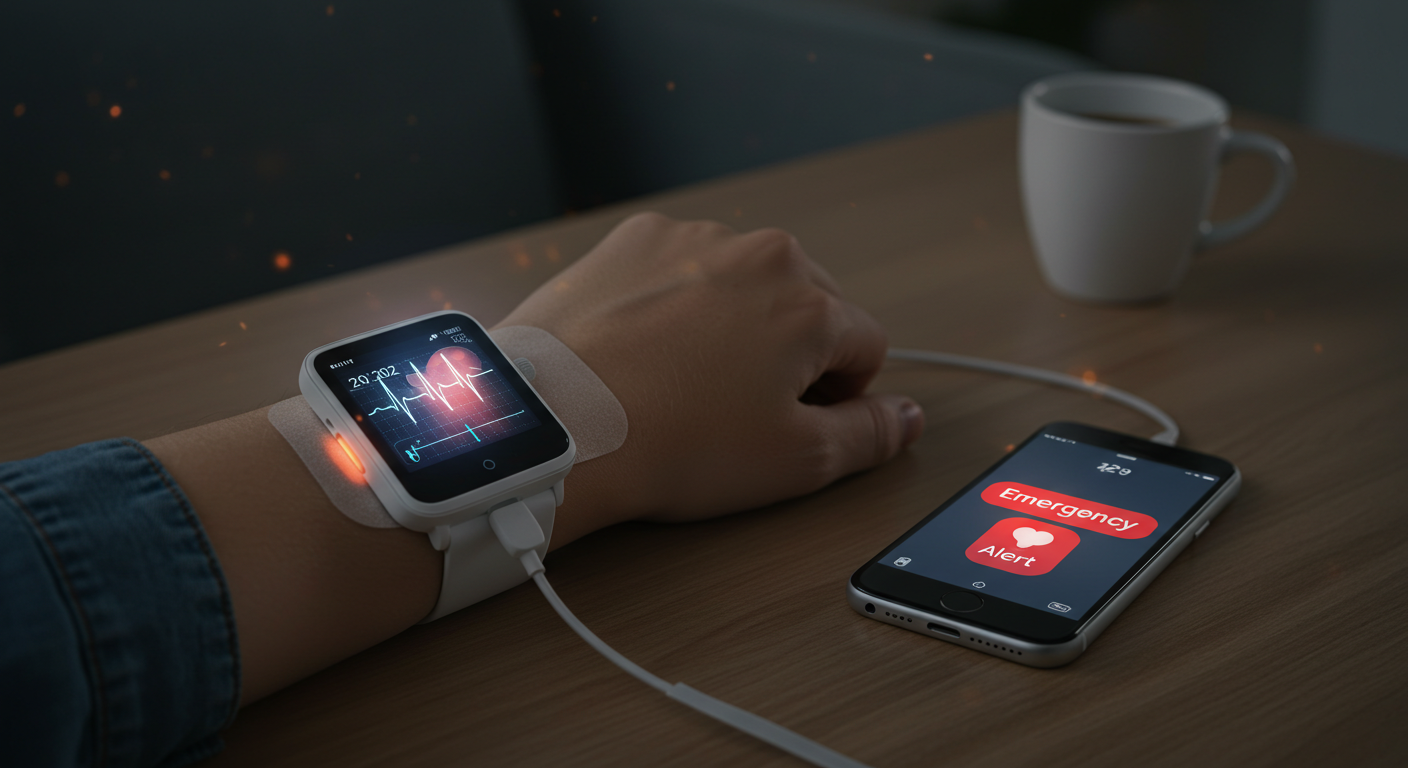
Emergency cardiac situations demand immediate, accurate monitoring to guide critical treatment decisions. A portable EKG monitor serves as a lifesaving tool that provides instant access to vital heart rhythm data when every second counts. These compact devices bridge the gap between symptom onset and professional medical care, offering peace of mind and potentially life-saving information during cardiac emergencies.
Understanding how to effectively use emergency EKG monitoring can mean the difference between timely intervention and delayed treatment. Modern technology has revolutionized emergency cardiac care by making professional-grade monitoring accessible anywhere, anytime.
Importance of Emergency EKG Monitoring
-
Critical Importance in Emergency Situations
Emergency cardiac events require immediate rhythm analysis to determine appropriate treatment protocols. A portable EKG monitor provides real-time electrocardiogram data that guides emergency medical decisions. First responders, healthcare providers, and even trained family members can utilize this information to assess cardiac status during critical moments.
Time sensitivity in cardiac emergencies makes portable monitoring invaluable. Traditional emergency room visits can delay critical diagnosis, while immediate EKG data enables faster treatment decisions and potentially better patient outcomes.
-
When Emergency Monitoring Becomes Essential
Chest pain, irregular heartbeat, dizziness, and shortness of breath warrant immediate cardiac assessment. A portable EKG monitor captures essential rhythm data during these symptoms, providing objective information to supplement subjective symptom descriptions. Emergency responders use this data to prioritize treatment and transportation decisions.
Sudden cardiac arrest situations benefit from immediate rhythm analysis. Portable monitoring helps distinguish between shockable and non-shockable rhythms, guiding appropriate emergency interventions like CPR or defibrillation.
Key Features for Emergency Use
-
Rapid Deployment Capabilities
Emergency situations demand instant device activation and immediate data acquisition. The most effective portable EKG monitor features one-touch operation and automatic calibration to minimize setup time. Quick electrode application and immediate rhythm display enable rapid assessment during critical moments.
Battery readiness remains crucial for emergency use. Devices must maintain charge during extended storage periods and provide reliable power during extended monitoring sessions. Backup power options ensure continuous operation during prolonged emergencies.
-
Data Quality and Accuracy
Emergency decisions require medical-grade accuracy from portable monitoring equipment. A professional portable EKG monitor delivers clinical-quality readings comparable to hospital equipment. Advanced filtering algorithms eliminate motion artifacts and electrical interference that might compromise emergency readings.
Multi-lead capability provides comprehensive cardiac assessment during emergencies. Single-lead monitors may miss critical arrhythmias, while multi-lead systems offer complete rhythm analysis for informed emergency decision-making.
Types of Emergency Portable EKG Monitors
-
Portable ECG Machine Options
Portable ECG machine systems designed for emergency use prioritize speed and accuracy over convenience features. These devices focus on rapid rhythm acquisition and clear display presentation. Professional emergency models include automated analysis algorithms that highlight critical findings for non-cardiologist users.
Rugged construction ensures reliable operation in challenging emergency environments. Water resistance, shock protection, and temperature tolerance enable consistent performance during outdoor emergencies, accident scenes, and harsh weather conditions.
-
Portable EKG Machine Functionality
The portable EKG machine integrates seamlessly with emergency response protocols. These devices produce standardized EKG strips compatible with hospital systems and emergency medical services. Standardized formatting ensures universal interpretation by medical professionals regardless of device manufacturer.
Wireless connectivity enables real-time data transmission to emergency departments and cardiologists. Remote consultation capabilities allow expert interpretation during field emergencies, enhancing treatment decisions before hospital arrival.
Advanced Emergency Monitoring
-
Portable Electrocardiogram Systems
Portable electrocardiogram devices offer comprehensive cardiac analysis beyond basic rhythm monitoring. Emergency-grade systems include ST-segment analysis, arrhythmia detection, and ischemia identification capabilities. These advanced features help differentiate between various cardiac emergency types.
Automated interpretation algorithms provide immediate analysis results, highlighting critical findings that require urgent attention. Color-coded alerts and audible warnings ensure important cardiac events receive immediate recognition during high-stress emergency situations.
-
Professional Portable Electrocardiogram Machine Features
A portable electrocardiogram machine designed for emergency use incorporates professional-grade analysis software. These devices provide detailed waveform analysis, rhythm classification, and trend monitoring capabilities. Emergency personnel can quickly assess cardiac status and monitor patient response to interventions.
Memory storage capabilities preserve emergency EKG recordings for later analysis and documentation. Digital storage eliminates paper requirements while ensuring complete cardiac event documentation for medical records and follow-up care.
Integration with Emergency Response
-
First Responder Applications
Emergency medical technicians and paramedics rely on portable EKG monitoring for initial patient assessment and ongoing care during transport. A reliable portable EKG monitor provides continuous cardiac monitoring while enabling mobility during patient care activities. Real-time monitoring helps detect rhythm changes that might require immediate intervention.
Training protocols ensure emergency personnel can effectively operate portable monitoring equipment under stress. Simplified interfaces and automated features reduce operational complexity during high-pressure emergency situations.
-
Hospital Emergency Department Use
Emergency departments utilize portable EKG monitors to extend monitoring capabilities beyond fixed bed locations. A versatile portable EKG monitor enables cardiac assessment in triage areas, procedure rooms, and during patient transport within facilities. This flexibility improves workflow efficiency while maintaining continuous cardiac monitoring.
Integration with hospital information systems streamlines documentation and data management. Electronic health record compatibility ensures emergency EKG data becomes part of permanent medical records for continuity of care.
Home Emergency Preparedness
-
Family Emergency Planning
Families with cardiac risk factors benefit from maintaining emergency EKG monitoring capabilities at home. A designated portable EKG monitor provides immediate cardiac assessment during symptom onset, enabling informed decisions about emergency medical services activation. Early rhythm data helps emergency dispatchers determine appropriate response priorities.
Training family members in basic EKG monitor operation ensures device availability during emergencies. Simple operation procedures and clear instructions enable effective use by non-medical personnel during cardiac emergency situations.
-
High-Risk Patient Monitoring
Individuals with known cardiac conditions require immediate access to rhythm monitoring during symptom episodes. A personal portable EKG monitor enables rapid assessment of chest pain, palpitations, or other cardiac symptoms. This immediate information helps distinguish between serious cardiac events and less urgent conditions.
Medication management benefits from emergency EKG monitoring capabilities. Patients can assess cardiac response to emergency medications like nitroglycerin and share objective data with emergency medical personnel or healthcare providers.
Technology Integration for Emergency Use
-
Best Heart Rate Monitor Watch Integration
The best heart rate monitor watch complements portable EKG monitoring by providing continuous heart rate tracking and rhythm alerts. These devices serve as early warning systems that prompt EKG monitoring when irregularities occur. Integration between watch monitors and portable EKG systems creates comprehensive emergency monitoring solutions.
Smartwatch integration enables automatic emergency contact activation when critical cardiac events occur. GPS tracking and emergency notification features ensure rapid response when portable EKG monitoring detects life-threatening arrhythmias.
-
Advanced Sensor Technology
The best heart rate sensor watch utilizes optical and electrical sensors to provide continuous cardiac monitoring between EKG sessions. These sensors detect rhythm changes that warrant immediate portable EKG assessment. Continuous monitoring bridges gaps between formal EKG recordings during emergency situations.
Artificial intelligence algorithms analyze continuous sensor data to predict potential cardiac emergencies. Predictive warnings enable proactive EKG monitoring before symptoms become severe, potentially preventing serious cardiac events through early intervention.
Communication and Data Sharing
-
Emergency Communication Protocols
Modern portable EKG monitor systems include communication capabilities that enable immediate data sharing with emergency services and healthcare providers. Real-time transmission allows remote cardiac assessment and treatment guidance during field emergencies. This connectivity reduces diagnosis time and improves treatment coordination.
Telemedicine integration enables specialist consultation during emergency situations. Cardiologists can remotely interpret EKG data and provide treatment recommendations to emergency personnel, improving care quality in resource-limited settings.
-
Heart Rate Monitor Integration
A heart rate monitor provides additional context for emergency EKG interpretation. Continuous heart rate trends help emergency personnel understand cardiac status progression and treatment response. Combined monitoring approaches provide comprehensive cardiac assessment during emergency situations.
Trend analysis capabilities identify patterns that might predict cardiac deterioration. Early warning systems based on heart rate variability and rhythm analysis enable proactive intervention before emergency situations become critical.
Training and Certification Requirements
-
User Training Programs
Effective emergency EKG monitoring requires proper training in device operation and basic rhythm interpretation. A portable EKG monitor becomes most effective when users understand proper electrode placement, device operation, and result interpretation. Training programs ensure confident device use during high-stress emergency situations.
Certification programs validate user competency in emergency EKG monitoring techniques. Regular training updates ensure users maintain proficiency with evolving technology and emergency protocols.
-
Emergency Protocol Integration
Emergency action plans should incorporate portable EKG monitoring procedures to maximize effectiveness. A well-integrated portable EKG monitor becomes part of comprehensive emergency response protocols. Clear procedures ensure device deployment, data collection, and information sharing occur efficiently during cardiac emergencies.
Regular practice drills help users maintain proficiency and identify potential operational issues before emergencies occur. Mock emergency scenarios test both equipment functionality and user readiness for actual cardiac emergency situations.
Maintenance and Readiness
-
Equipment Readiness Protocols
Emergency EKG equipment must remain constantly ready for immediate deployment. A reliable portable EKG monitor requires regular maintenance schedules to ensure optimal performance during critical moments. Battery management, electrode replacement, and software updates maintain device readiness for emergency use.
Storage considerations protect equipment from environmental damage while ensuring accessibility during emergencies. Protective cases, temperature control, and moisture protection preserve device functionality during extended storage periods.
-
Quality Assurance Testing
Regular testing procedures verify portable EKG monitor accuracy and functionality. Scheduled calibration checks and performance verification ensure devices meet emergency use standards. Documentation of testing results provides quality assurance records for emergency preparedness audits.
Backup equipment strategies ensure redundancy during critical situations. Multiple device availability prevents single-point failures that could compromise emergency cardiac monitoring capabilities when they’re needed most.
Frequently Asked Questions
How quickly can a portable EKG monitor provide results during an emergency?
Modern portable EKG monitors provide immediate rhythm analysis within seconds of electrode contact. A quality portable EKG monitor displays initial rhythm data within 10-15 seconds and complete analysis within 30-60 seconds. This rapid response time enables immediate emergency decision-making.
Can family members without medical training use emergency EKG monitors effectively?
Yes, modern portable EKG monitors feature simplified interfaces designed for non-medical users. Basic training in electrode placement and device operation enables family members to collect valuable cardiac data during emergencies. Automated interpretation features highlight critical findings requiring immediate medical attention.
What information should I provide to emergency services when using a portable EKG monitor?
Provide specific rhythm findings, heart rate measurements, and any automated alerts from your portable EKG monitor. Include symptom descriptions, medication timing, and any changes in the patient’s condition. This comprehensive information helps emergency dispatchers determine appropriate response priorities and resources.
How do portable EKG monitors integrate with emergency medical services?
Many portable EKG systems include wireless transmission capabilities that send data directly to emergency departments or paramedic units. This integration enables remote cardiac assessment and treatment planning before emergency personnel arrival, improving care coordination and patient outcomes.
What backup procedures should I have if my portable EKG monitor fails during an emergency?
Maintain backup monitoring options and ensure multiple family members understand device operation. Document device serial numbers and emergency contact information for technical support. Most importantly, never delay calling emergency services if cardiac symptoms occur, regardless of monitoring equipment status.
Emergency cardiac situations demand immediate access to accurate rhythm monitoring, making a portable EKG monitor an essential tool for comprehensive emergency preparedness. These devices bridge critical gaps between symptom onset and professional medical care, providing vital information that guides treatment decisions and potentially saves lives.
The integration of portable EKG technology into emergency response protocols represents a significant advancement in cardiac care accessibility. Modern devices combine medical-grade accuracy with user-friendly operation, ensuring effective emergency monitoring capabilities for healthcare professionals and trained family members alike.
Don’t wait for a cardiac emergency to realize the importance of immediate EKG monitoring. Our professional-grade personal & portable EKG monitors provide the accuracy and reliability you need when seconds count. Designed for emergency use with intuitive operation and medical-grade precision, these devices could be the difference between life and death. Explore our emergency monitoring solutions with healthtechinfo.
Explore more : Learn the ultimate guide for choose personal EKG monitor.