

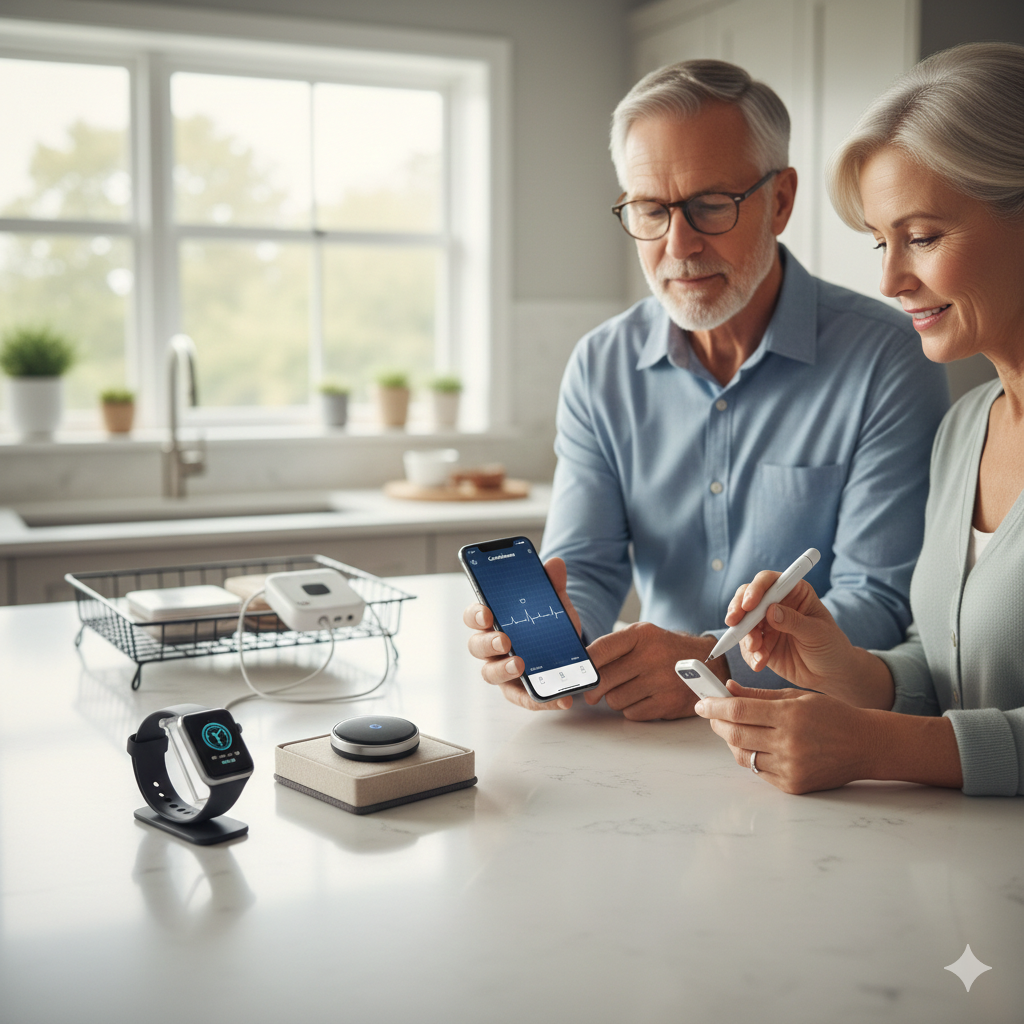
Heart health is no longer something people only think about during hospital visits. With rising awareness around preventive care and the growth of smart medical technology, more individuals are choosing to track their heart activity from home. Among the most impactful innovations in this space is the portable ECG machine, a compact solution that brings cardiac monitoring out of the clinic and into everyday life.
From fitness-focused users to seniors managing chronic conditions, portable ECG technology is helping people understand their heart rhythms in real time, identify irregularities early, and communicate more effectively with healthcare professionals. In the United States, demand has grown rapidly as people look for convenient, accurate, and affordable ways to stay proactive about cardiovascular health.
This in-depth guide explores how portable ECG machines work, who should use them, what features truly matter, and how these devices fit into modern home-based heart care.
Understanding ECG Technology in Simple Terms
An electrocardiogram (ECG or EKG) records the electrical signals that control how your heart beats. Every heartbeat is triggered by an electrical impulse that moves through the heart muscle. An ECG captures these signals and displays them as waveforms, allowing clinicians to evaluate heart rate, rhythm, and potential abnormalities.
Traditionally, ECG tests were performed using large machines in hospitals or diagnostic centers. Patients had to schedule appointments, lie still while electrodes were attached, and wait for results. While still essential for complex diagnostics, this approach isn’t always practical for people who experience occasional symptoms or want continuous insight into their heart health.
This gap is what modern portable devices are designed to fill.
What Makes a Portable ECG Machine Different?
A portable ECG machine is designed to do what traditional systems do—record the heart’s electrical activity—but in a smaller, lighter, and easier-to-use form. Many of today’s devices fit in a pocket, connect wirelessly to smartphones, and deliver results in seconds.
Instead of being confined to a medical facility, users can record ECG readings at home, at work, or while traveling. This flexibility is especially helpful for detecting intermittent issues like palpitations, skipped beats, or unexplained dizziness that may not occur during a scheduled clinic test.
These devices don’t replace doctors, but they act as a bridge between daily life and professional care.
Why Portable ECG Devices Are Gaining Popularity
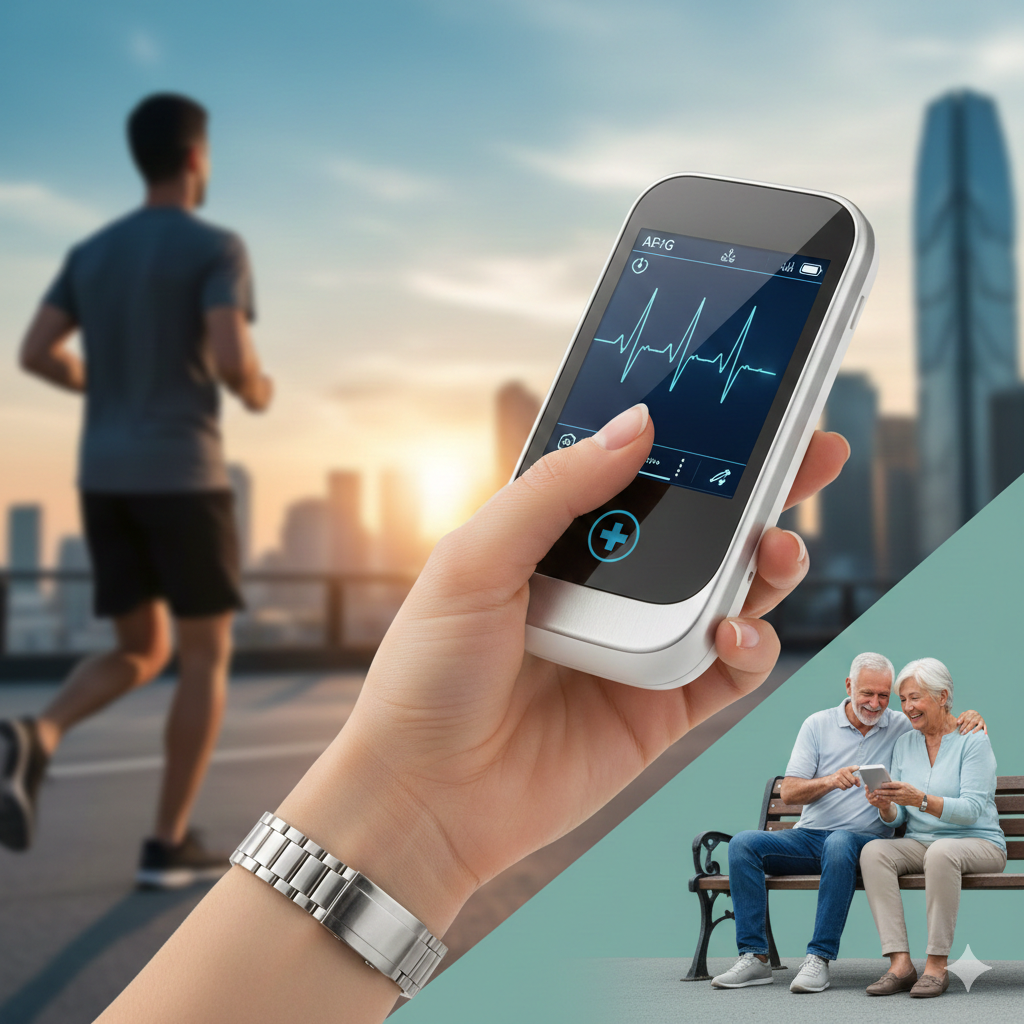
The surge in home health technology is driven by three main factors: convenience, awareness, and connectivity.
- First, convenience. People want tools that fit into their routines. A small device that can deliver heart data in under a minute is far more appealing than repeated clinic visits.
- Second, awareness. Cardiovascular disease remains one of the leading health concerns worldwide. Individuals are becoming more informed about risk factors such as stress, inactivity, poor sleep, and genetics. As a result, many are seeking daily monitoring tools rather than occasional checkups.
- Third, connectivity. Modern devices like portable ECG machine integrate with mobile apps and cloud platforms, making it easier to store, analyze, and share data. This means ECG recordings can be reviewed by physicians remotely, supporting telehealth and continuous care models.
Together, these trends have made the compact portable ECG monitor a central tool in personal heart health management.
Who Can Benefit from Using One?
Portable ECG machines serve a wide range of users, not only those already diagnosed with heart conditions.
People Managing Known Heart Issues
Individuals with arrhythmias, a history of heart disease, or post-surgical recovery needs often benefit from regular ECG tracking. A portable ECG device for heart patients allows them to document symptoms when they happen, rather than relying on memory during appointments.
Adults Focused on Preventive Care
Many adults without diagnosed conditions use personal ECG devices to establish a baseline and watch for unusual changes. Early awareness can prompt timely medical consultation.
Seniors and Caregivers
Older adults are more likely to experience irregular heart rhythms. Home-based ECG monitoring gives both seniors and caregivers peace of mind and supports independent living.
Athletes and Fitness Enthusiasts
Training intensity, dehydration, and stress can affect heart rhythm. Some athletes use ECG tools to better understand how their cardiovascular system responds to exertion and recovery.
How a Portable ECG Machine Works
Despite their small size, these devices rely on the same core principle as clinical systems. Electrodes make contact with the skin and detect electrical signals generated by heart muscle contractions. These signals are converted into digital data and displayed as ECG waveforms.
Depending on the design, the user may place fingers on metal sensors, attach a small patch to the chest, or wear a chest strap. The device then transmits the recording to a connected screen or mobile app.
Many systems use algorithms to identify irregular rhythms, such as atrial fibrillation, bradycardia, or tachycardia. While automated interpretations are helpful, the recordings can also be exported for professional evaluation.
Key Features to Look For
Choosing a portable ECG machine is not just about price or brand recognition. The right device depends on how and why you plan to use it.
Accuracy and Clinical Credibility
Portable ECG device accuracy should always be a top priority. Look for devices that have undergone clinical testing and validation. Consistency in signal quality is more important than the number of extra features.
Ease of Use
A good device should be intuitive. Clear instructions, quick recording time, and simple app interfaces make regular use far more likely.
Data Storage and Sharing
Most modern devices store ECG readings in mobile apps. The ability to export PDFs or share data directly with healthcare providers is essential for ongoing care.
Battery Life and Portability
True portability means lightweight design, long battery life, and durability. Devices should support daily use without frequent charging.
App Integration
Many users appreciate apps that track trends over time, tag symptoms, and generate reports. These insights help both users and clinicians see the bigger picture.
The Role of Wireless and Mobile Technology
Wireless portable EKG machines have changed how people interact with heart monitoring. Bluetooth connectivity eliminates cables and bulky accessories, making devices more comfortable and discreet.
A mobile ECG machine paired with a smartphone app can instantly show waveforms, heart rate, and rhythm classifications. Over weeks and months, the collected data forms a personal heart health profile.
This digital ecosystem is especially valuable for remote consultations. Instead of describing vague symptoms, patients can present concrete ECG recordings, improving diagnostic accuracy and treatment decisions.
At-Home ECG Monitoring and Preventive Healthcare
The rise of the at home ECG monitoring device reflects a broader shift in healthcare philosophy—from reactive to proactive.
Instead of waiting for serious symptoms, individuals can track subtle changes and patterns. For example, someone noticing frequent irregular beats after stressful days may identify lifestyle triggers. Another person may catch an asymptomatic rhythm issue early and seek evaluation before complications arise.
This approach aligns with preventive cardiology, which focuses on reducing risk through early detection, lifestyle management, and continuous monitoring.
Understanding Device Classifications and Approvals
In the United States, many heart monitoring devices are reviewed for safety and effectiveness. Users often look for products described as an FDA approved portable ECG machine, as this indicates the device has met specific regulatory standards.
Approval does not mean a device can replace clinical diagnostics, but it does suggest a level of reliability appropriate for personal health tracking.
When selecting a device, it’s wise to check whether it is registered or cleared for consumer or medical use, depending on your needs.
Portable ECG Machines vs Traditional Cardiac Monitoring
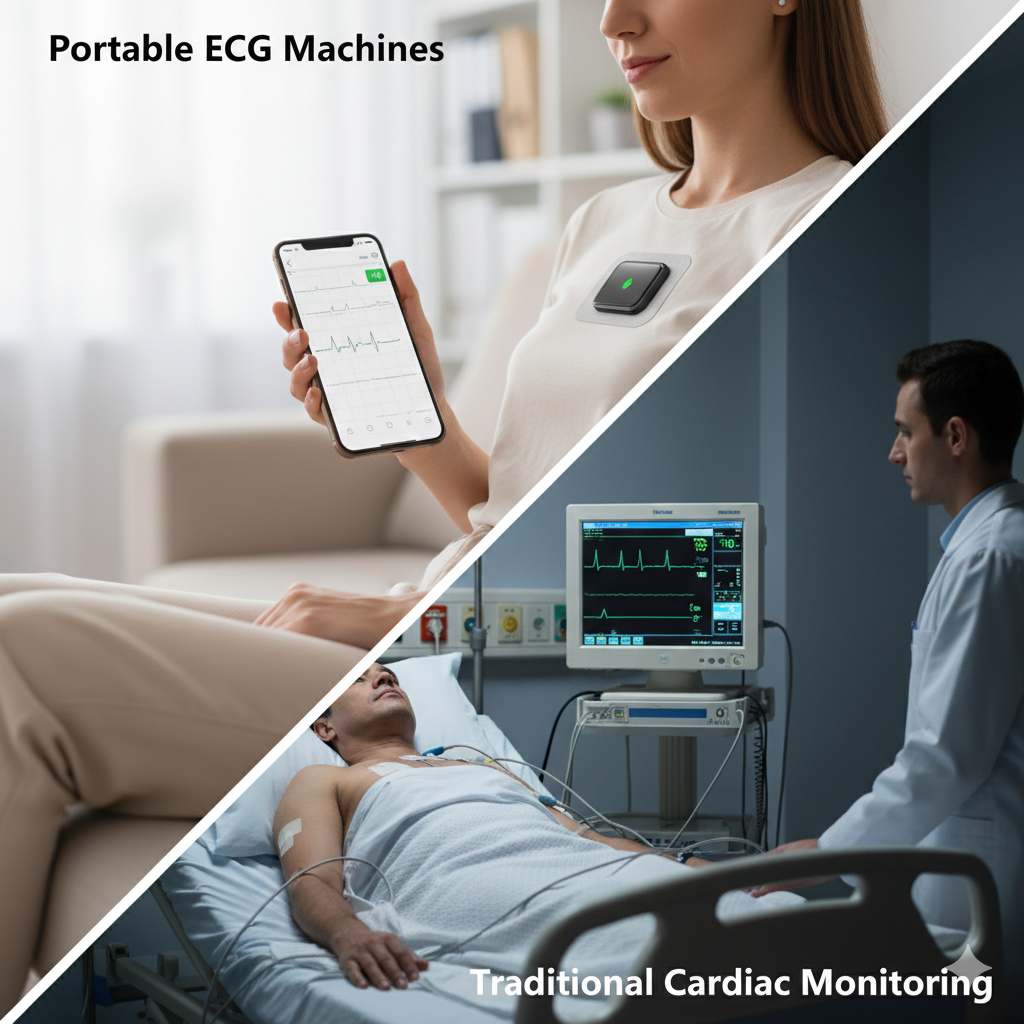
Traditional ECG systems and long-term hospital monitors remain critical in diagnosing complex conditions. However, they are limited by location and time.
Portable devices complement—not replace—clinical care. They allow for more frequent recordings, especially during everyday activities. This can reveal issues that might not appear during a brief hospital test.
For people who need continuous monitoring, wearable systems and event monitors may still be recommended by physicians. But for many users, a compact personal device offers an effective first line of insight.
Practical Tips for Using a Portable ECG Device
To get the most value from your device:
-
Record readings at consistent times each day to build a baseline.
-
Take additional readings when symptoms appear.
-
Sit still and follow placement instructions carefully to reduce interference.
-
Keep notes about activity, stress, caffeine intake, or sleep when unusual readings occur.
-
Share results with a qualified healthcare provider rather than relying solely on app interpretations.
Consistency is more important than frequency. Regular, high-quality recordings offer the clearest picture of heart health trends.
Affordability and Accessibility in the USA Market
As technology advances, devices have become more accessible to everyday users. There are now options positioned as an affordable portable ECG machine USA consumers can use without heavy financial burden.
While pricing varies based on features, many modern devices are far less expensive than repeated clinical tests. This makes them attractive for individuals who want ongoing insight without constant appointments.
Insurance coverage may differ, but even without reimbursement, the long-term value of personal heart monitoring is increasingly recognized.
Integrating Portable ECG Monitoring Into Daily Life
One of the strengths of modern ECG tools is how naturally they fit into daily routines. A reading can be taken in under a minute. Some people check their heart rhythm each morning, while others use the device only when symptoms occur.
Over time, users often become more aware of how factors such as hydration, exercise, sleep, and emotional stress affect their heart. This awareness encourages healthier habits and more informed conversations with healthcare providers.
Rather than causing anxiety, regular monitoring often builds confidence, as users learn what is normal for their bodies.
The Broader Impact on Healthcare
Portable ECG machines are contributing to a larger transformation in healthcare delivery. Data collected at home reduces the burden on clinics, supports telemedicine, and allows doctors to make decisions based on real-world evidence rather than isolated tests.
This model is particularly beneficial for rural communities, busy professionals, and elderly individuals who may find frequent clinic visits challenging.
As digital health platforms continue to evolve, portable ECG technology is likely to become even more integrated with electronic health records, remote diagnostics, and AI-driven analysis.
Frequently Asked Questions
1. Is a portable ECG machine reliable for home use?
Modern devices are designed with clinically tested sensors and algorithms. When used correctly, they can provide reliable recordings suitable for personal monitoring and professional review.
2. Can these devices detect serious heart conditions?
They can help identify irregular rhythms and unusual patterns, which may prompt further medical evaluation. They are not a substitute for comprehensive diagnostic tests performed in clinical settings.
3. How often should I record an ECG at home?
This depends on your goals and health status. Some users record daily, while others only during symptoms. Consistency and proper technique are key.
4. Do I need a prescription to use one?
Most consumer-focused portable ECG machine are available without prescriptions. However, individuals with known conditions should consult healthcare providers about how to integrate them into care plans.
5. Can I share my ECG readings with my doctor?
Yes. Most devices allow you to export reports or grant access through mobile apps, making it easy to share data during in-person or virtual visits.
6. Are these devices suitable for elderly users?
Many models are designed with simple interfaces and minimal setup, making them suitable for seniors. Caregivers can also assist with recordings and data sharing.
As more people embrace proactive health management, portable ECG technology continues to evolve into a trusted companion for daily life. Whether you are managing an existing condition, supporting a loved one, or simply staying informed about your cardiovascular well-being, personal heart monitoring has become more accessible, intuitive, and meaningful than ever before.