


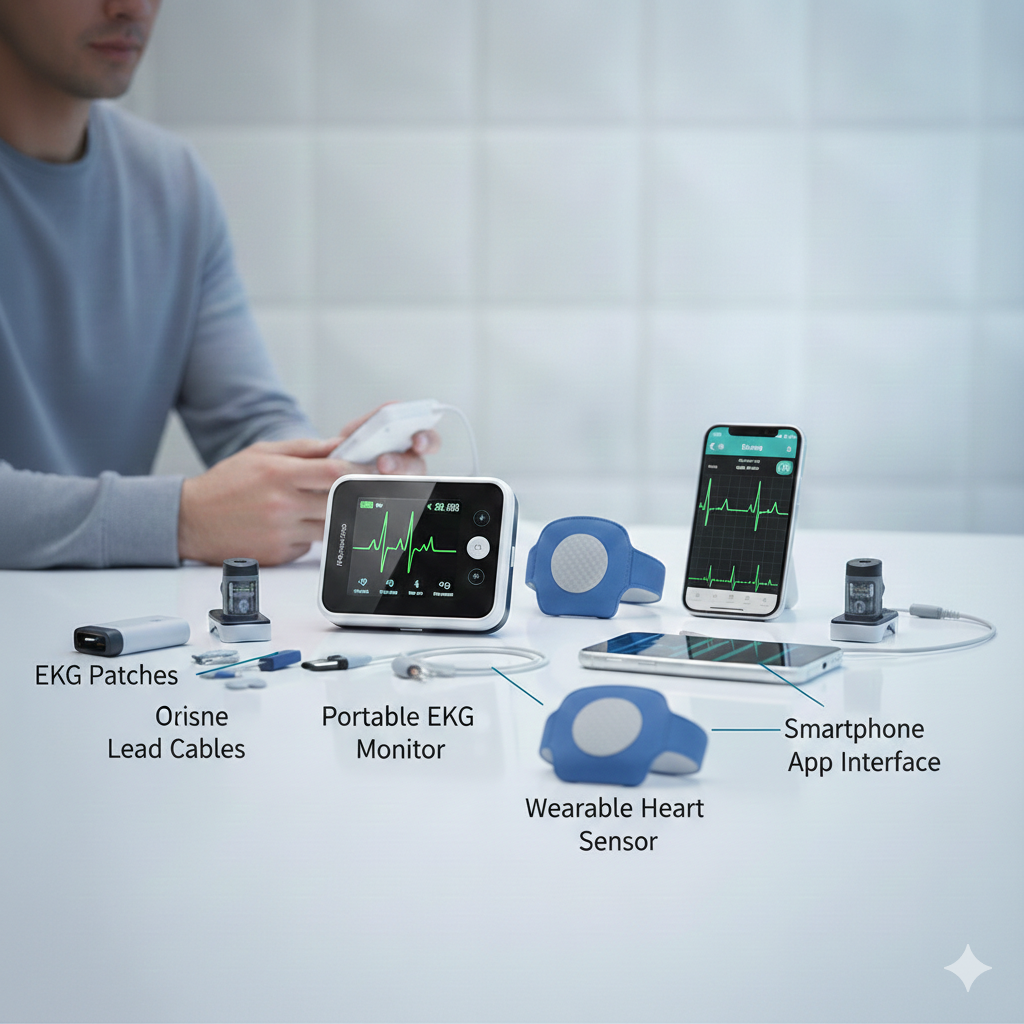
Monitoring your EKG heart rhythm at home is no longer reserved for hospitals. Advances in portable, FDA-approved devices have empowered individuals in the USA to track their heart rhythm for preventive care, early detection of arrhythmias, and general wellness monitoring.
Understanding how to read your EKG heart rhythm safely and accurately at home can provide reassurance and actionable insights for your cardiovascular health. This comprehensive guide will walk you through every step — from device selection to interpretation and trend tracking.
1. What Is an EKG Heart Rhythm?
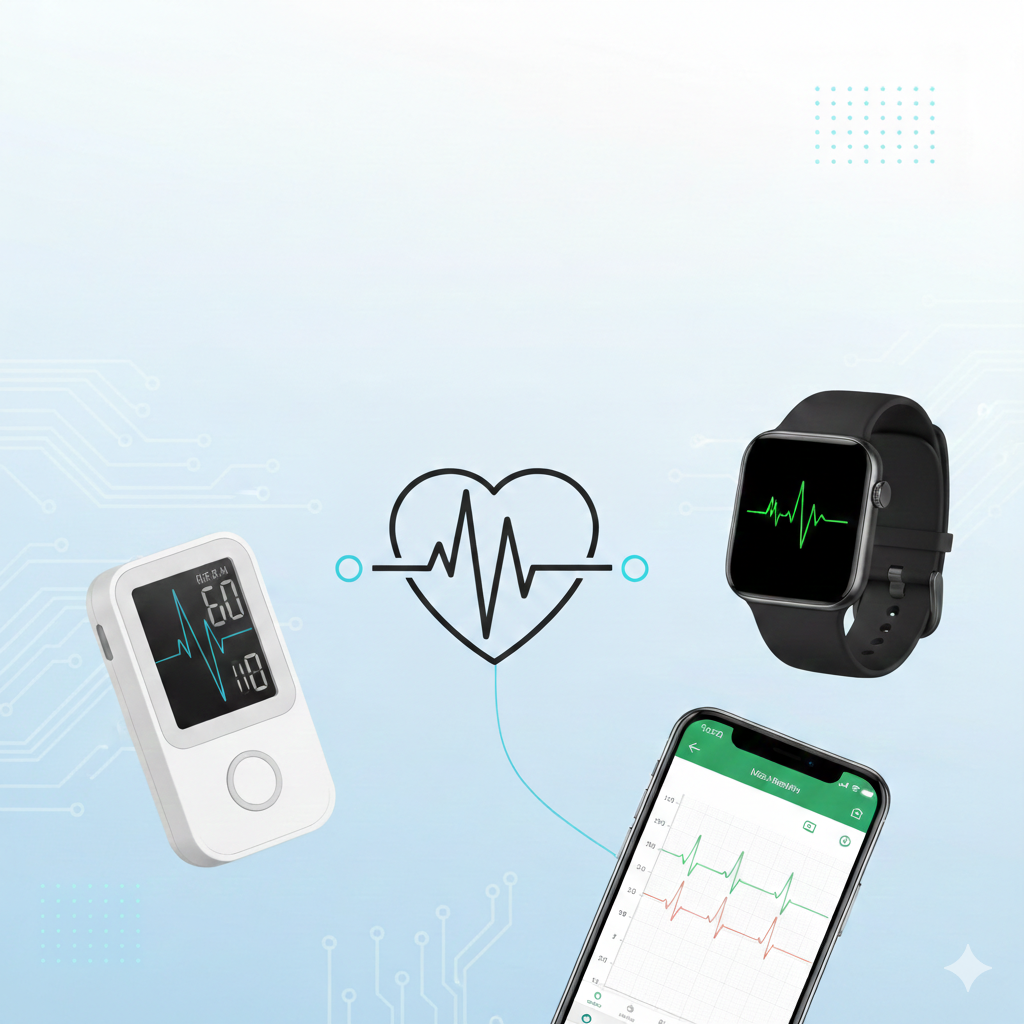
An EKG (electrocardiogram) heart rhythm represents the electrical activity of your heart. Each heartbeat produces a small electrical impulse that triggers contraction of the heart muscles. The EKG measures and records these impulses, producing waveforms that reflect the rhythm, timing, and strength of heartbeats.
Understanding your EKG heart rhythm is valuable because it helps detect:
-
Irregular heartbeats (arrhythmias)
-
Rapid or slow heart rates
-
Signs of heart disease
-
Effects of medication or lifestyle changes
For home use, the focus is primarily on identifying whether your heart rhythm is normal or irregular and noticing patterns that may require professional consultation.
2. Understanding Different Heart Rhythms
Recognizing different heart rhythms EKG can help you interpret readings more accurately. Common patterns include:
-
Normal Sinus Rhythm:
-
Heart beats regularly at 60–100 bpm
-
P wave, QRS complex, and T wave all appear consistently
-
-
Tachycardia:
-
Heart beats faster than 100 bpm
-
May occur due to exercise, stress, or underlying conditions
-
-
Bradycardia:
-
Heart beats slower than 60 bpm
-
Can be normal in athletes but may indicate a problem in others
-
-
Atrial Fibrillation (AFib):
-
Irregular, often rapid heartbeat
-
Increases risk of stroke if untreated
-
-
Premature Ventricular Contractions (PVCs):
-
Extra beats originating from the ventricles
-
Often benign but can be monitored for patterns
-
Identifying these patterns at home becomes easier with a home EKG monitor for heart rhythm. Most modern devices label readings for simplicity, but understanding the basics helps interpret trends and detect unusual patterns.
3. Choosing the Right Device for Home Monitoring
Selecting the right monitoring device is crucial for accurate results. Here’s what to consider:
-
FDA-Approved EKG Heart Rhythm Monitors: Ensure device accuracy, reliability, and compliance with U.S. medical regulations.
-
Portable EKG Monitors for Heart Rhythm: Compact, easy to use, suitable for home and travel.
-
Personal EKG Device for Heart Rhythm: Some integrate with smartphones, allowing trend tracking and alerts.
-
Heart Rhythm Monitor Devices USA: Focus on local availability, warranties, and support.
Popular device types include:
-
Single-lead or multi-lead portable devices
-
Smartwatches with ECG functionality
-
App-integrated monitors with cloud storage for results
Pro Tip: Always choose a device that aligns with your needs — whether you want daily monitoring, occasional checks, or alerts for irregularities.
4. Step-by-Step Guide to Reading Your EKG at Home
Here’s a detailed guide to using your device and interpreting results:
Step 1: Prepare Your Device
-
Fully charge or insert batteries.
-
Clean electrode pads or device contact points.
-
Sit comfortably in a relaxed position; avoid movement during the reading.
Step 2: Take the Reading
-
Follow the manufacturer’s instructions carefully.
-
For wearable or portable devices, ensure proper placement on chest, fingers, or wrist.
-
Most readings take 30 seconds to 2 minutes.
Step 3: Interpret the Results
-
Look for labeled results such as “Normal” or “Irregular.”
-
For more advanced analysis, observe P waves, QRS complexes, and T waves.
-
Compare your reading to heart rhythm EKG reading charts provided by the device or online resources.
Step 4: Track Trends
-
Take readings at the same time each day for consistency.
-
Record results in a journal or app, including symptoms like palpitations or dizziness.
-
Trend tracking helps detect irregularities and evaluate lifestyle impacts.
Step 5: Respond to Abnormalities
-
If you notice irregular patterns or your device flags a warning, contact a healthcare provider promptly.
-
Avoid self-diagnosis or reliance on home readings alone for serious conditions.
5. Common EKG Heart Rhythm Symptoms
While monitoring, watch for symptoms that may indicate heart rhythm problems:
-
Palpitations or skipped beats
-
Dizziness or fainting
-
Shortness of breath
-
Chest discomfort
-
Fatigue
Recording these symptoms alongside readings can help your cardiologist or primary care doctor make an accurate diagnosis.
6. How Often Should You Check Your EKG Heart Rhythm?
Frequency varies depending on health status:
-
Routine Monitoring: Once or twice per week for healthy individuals.
-
At-Risk Patients: Daily monitoring or as directed by a physician.
-
Symptom-Triggered: Whenever palpitations, dizziness, or unusual chest sensations occur.
Keeping consistent logs and noting lifestyle factors (stress, sleep, exercise) can enhance the value of your readings.
7. EKG Heart Rhythm vs ECG Heart Rhythm
The terms EKG and ECG are essentially the same:
-
EKG: Derived from the German term “Elektrokardiogramm,” widely used in the USA.
-
ECG: Standard international abbreviation.
Both measure your heart’s electrical activity and provide insights into your heart rhythm. Devices at home may use either term; understanding the equivalence ensures clarity.
8. Tips for Accurate Home Monitoring
-
Relax and remain still during readings.
-
Avoid caffeine or heavy meals immediately before measurement.
-
Ensure electrode or sensor contact is correct.
-
Take readings at consistent times for trend tracking.
-
Combine EKG readings with lifestyle tracking for comprehensive insights.
9. Benefits of Home EKG Monitoring
-
Early Detection of Heart Problems: Spot arrhythmias before they become serious.
-
Peace of Mind: Track heart rhythm without frequent clinic visits.
-
Lifestyle Insights: Observe how stress, sleep, diet, and exercise affect your heart.
-
Data for Healthcare Providers: Provide accurate readings for better clinical assessment.
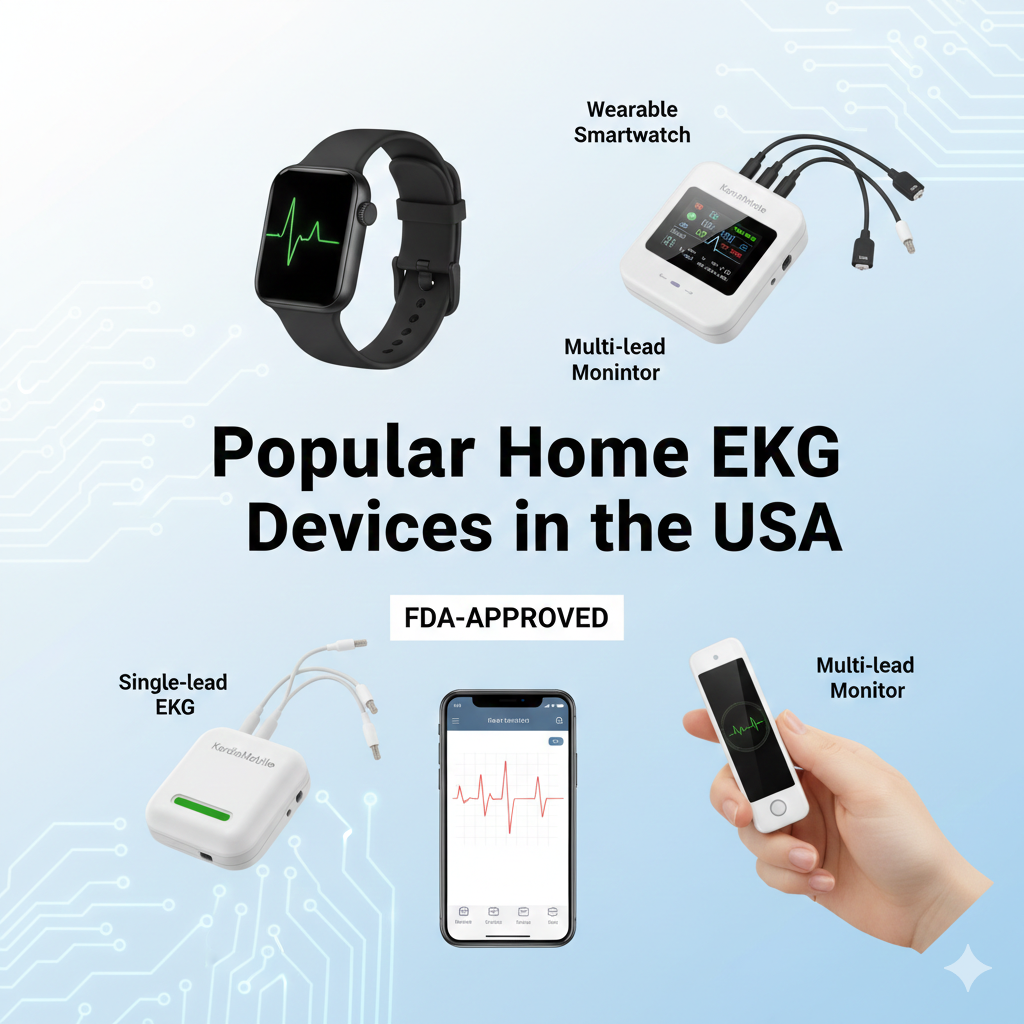
10. Popular Home EKG Devices in the USA
-
Portable single-lead EKG monitors: Easy, quick, and accurate.
-
Wearable smartwatches with ECG functionality: Integrates with apps and notifications.
-
Multi-lead portable monitors: More detailed readings for at-risk patients.
-
FDA-approved personal EKG devices: Reliable, safe, and compliant with U.S. regulations.
Choosing a device that matches your lifestyle and monitoring goals ensures accurate and actionable readings.
11. Safety and Best Practices in USA
-
Do not attempt self-treatment based on home readings.
-
Seek immediate medical care if you experience severe symptoms.
-
Use the device as recommended and consult your doctor for abnormal readings.
-
Share logs and trends with your healthcare provider for better guidance.
Take Control of Your EKG Heart Rhythm at Home
Monitoring your EKG heart rhythm at home in the USA empowers you to take proactive steps toward better cardiovascular health. Home devices, combined with proper education and medical guidance, allow for early detection of abnormalities, accurate trend tracking, and improved management of lifestyle factors that affect your heart.
As highlighted by HealthTechInfo, using reliable, FDA-approved devices and following the correct step-by-step approach can help you maintain heart health, gain peace of mind, and make informed decisions about your overall well-being.
FAQ – EKG Heart Rhythm at Home
1. Can home EKG monitors replace a doctor’s evaluation?
No. They provide valuable insights but cannot substitute professional diagnosis. Always consult a doctor for irregular readings.
2. What does an abnormal EKG heart rhythm indicate?
It may point to arrhythmias, atrial fibrillation, or other cardiac conditions. Professional assessment is essential.
3. How often should I check my heart rhythm at home?
Depends on risk level: routine checks for healthy individuals and more frequent monitoring for at-risk patients.
4. Are smartwatch ECG readings reliable?
FDA-approved smartwatches provide accurate heart rhythm tracking for monitoring purposes but are not a replacement for clinical devices.
5. Can stress, caffeine, or exercise affect EKG readings?
Yes. Temporary lifestyle factors can alter heart rhythm. Always note context when taking readings.
6. What home devices are recommended for accurate heart rhythm monitoring?
Portable EKG monitors, FDA-approved personal devices, and app-integrated smartwatches are widely recommended in the USA.