


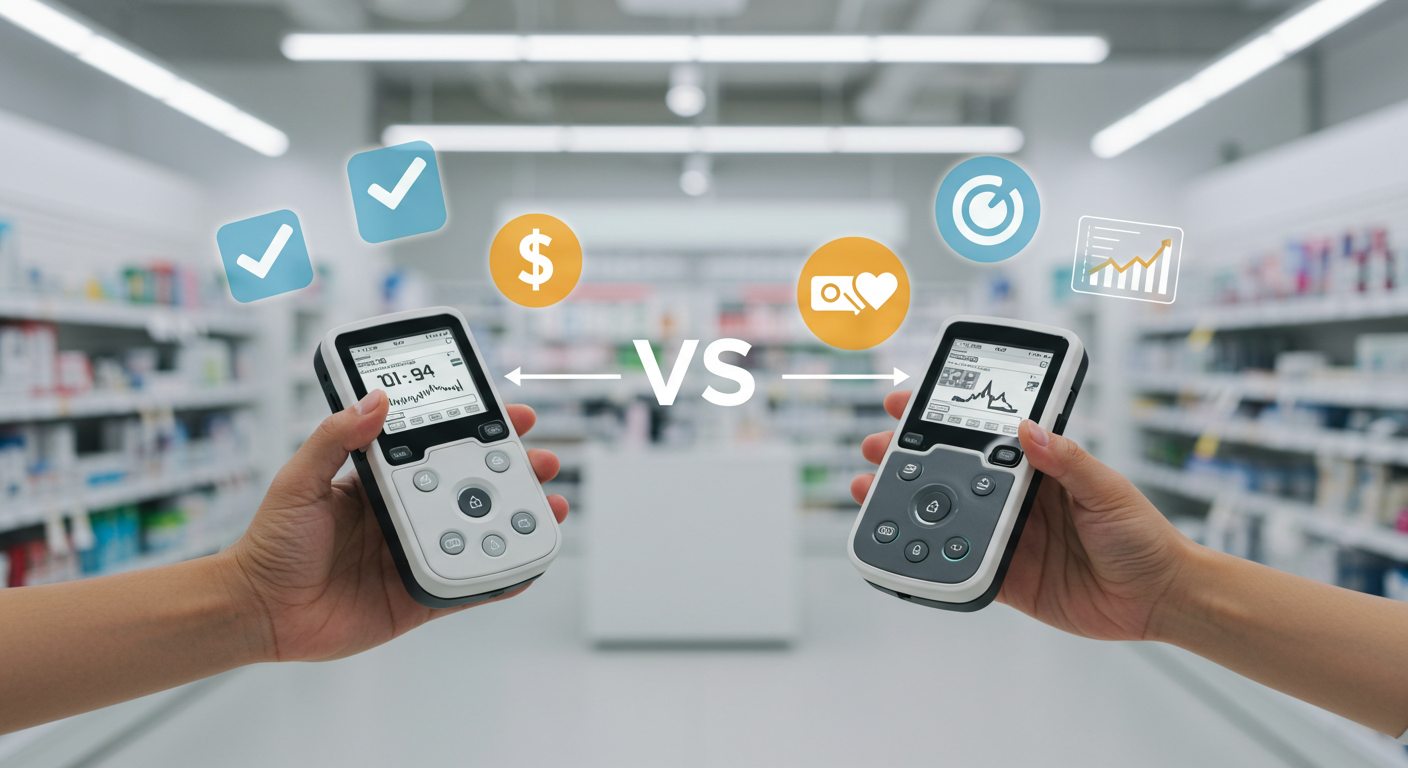
Modern healthcare has changed how we watch our heart health. Finding the right portable EKG device requires careful thought about many factors that balance reliability with low cost. Medical professionals and patients both need devices that give accurate readings while staying affordable. The growing market offers many options, making selection hard for consumers seeking the best value.
Heart problems affect millions of people worldwide. Many heart issues start small and grow worse over time. Regular monitoring helps catch these problems early. Personal EKG devices let you check your heart rhythm at home. This saves time and money compared to frequent doctor visits. Early detection leads to better treatment outcomes and healthier lives.
How Heart Monitoring Devices Work
The basics of good heart monitoring start with understanding how electrocardiogram devices work. A portable EKG device captures electrical signals from your heart and turns them into readable data for medical review. These small devices have improved a lot from traditional hospital equipment. They now offer similar accuracy in easy-to-use formats.
Modern portable heart rate monitor systems use advanced sensors and digital processing to ensure correct measurements. The systems behind these devices use smart computer programs that filter out noise and problems. This gives clean, readable results. Users benefit from real-time monitoring abilities that were once only found in hospitals.
Heart rhythm problems can happen at any time. Many people have irregular heartbeats that come and go. These episodes might last only a few seconds or minutes. Traditional doctor visits might miss these quick events. Home monitoring catches these problems when they actually happen. This gives doctors better information to make the right diagnosis.
Key device features include:
- Digital signal processing for better accuracy
- Wireless connections for data sending
- Battery optimization for longer use
- User-friendly screens for easy operation
- Automatic data saving and sharing
Simple Setup and Daily Use
Getting started with home heart monitoring should be easy and stress-free. Most modern devices come with clear setup instructions and helpful guides. A portable EKG device typically requires minimal preparation before first use. Users can start monitoring within minutes of opening the package.
Daily operation focuses on simplicity and convenience. The best devices work with minimal user input while providing maximum health insights. Simple button controls and clear displays make operation straightforward for users of all ages. Automatic features handle most tasks without user intervention.
Setup steps include:
- Charging the device before first use
- Installing any required smartphone apps
- Creating user profiles with basic information
- Testing connections and data transmission
- Learning proper electrode placement techniques
Regular use becomes routine with the right device. Many users incorporate heart monitoring into their daily health routines. Morning checks through a portable EKG device before exercise or evening reviews before bed become natural habits. Consistent monitoring provides better long-term health insights.
Key technological features include:
- Digital signal processing for enhanced accuracy
- Wireless connectivity for data transmission
- Battery optimization for extended use
- User-friendly interfaces for easy operation
Essential Features That Define Quality and Reliability
Quality assessment begins with examining core functionalities that impact performance. An effective EKG heart rate monitor must demonstrate consistent accuracy across various conditions and user demographics. Professional-grade components ensure longevity and reliable operation during critical monitoring periods.
Reliability extends beyond basic functionality to encompass durability, battery life, and measurement consistency. A premium portable EKG device incorporates medical-grade sensors that maintain accuracy over extended periods. The build quality directly correlates with long-term performance and cost-effectiveness.
Critical reliability factors include:
- FDA approval and medical certifications
- Clinical validation through peer-reviewed studies
- Robust construction materials
- Comprehensive warranty coverage
- Technical support availability
Battery performance of a portable EKG device significantly impacts overall value proposition. Extended operating times reduce interruptions during monitoring sessions, while quick charging capabilities minimize downtime. Energy-efficient designs maximize usage between charges.
Budget Considerations and Cost-Effective Options
Cost analysis involves examining both initial purchase prices and long-term operational expenses. Smart consumers evaluate total ownership costs, including accessories, software subscriptions, and maintenance requirements. A Holter monitor at home solution often provides better value than frequent clinical visits.
Safety Features and Emergency Alerts
Safety remains the top priority when choosing any heart monitoring device. Modern devices include built-in safety features that protect users and provide peace of mind. A portable EKG device should automatically detect dangerous heart rhythms and alert users immediately. These safety systems work around the clock without user intervention.
Emergency alert systems connect users with medical help when needed. Some devices can automatically contact emergency services or designated family members. This feature proves especially valuable for elderly users or those living alone. Quick response during heart emergencies can save lives and prevent serious complications.
Safety features include:
- Automatic detection of dangerous heart rhythms
- Emergency alert systems with quick response
- Battery backup systems for continuous operation
- Waterproof designs for shower and exercise use
- Secure data transmission to protect privacy
Medical professionals can receive instant alerts about patient conditions. This allows for quick intervention when problems arise. Remote monitoring through a portable EKG device reduces the need for frequent office visits while maintaining close medical supervision. Patients feel more secure knowing help is always available.
Long-term Health Benefits and Monitoring
Regular heart monitoring provides numerous long-term health benefits beyond immediate problem detection. Consistent use of a portable EKG device helps establish personal health baselines and track improvements over time. This information proves valuable for both patients and healthcare providers in managing overall health.
Trend analysis reveals patterns that single measurements cannot show. Users can see how exercise, diet, stress, and medications affect their heart health. This information helps make better lifestyle choices and treatment decisions. Long-term data provides a complete picture of heart health changes.
Health benefits include:
- Early detection of developing heart problems
- Better medication management and adjustment
- Improved exercise planning and safety
- Stress management through heart rate monitoring
- Better communication with healthcare providers
Lifestyle modifications become more effective with objective heart data. Users can see immediate results from healthy changes like better diet, regular exercise, and stress reduction. This feedback encourages continued healthy behaviors and long-term wellness goals.
Value optimization strategies include:
- Comparing feature sets across price ranges
- Evaluating subscription costs for cloud services
- Considering warranty and support options
- Assessing upgrade possibilities
- Reviewing user feedback and professional recommendations
Comparing Different Types and Their Effectiveness
The market offers diverse monitoring solutions, each designed for specific use cases and requirements. Understanding these variations helps consumers select appropriate devices for their needs. A Holter monitor machine provides continuous monitoring, while spot-check devices offer periodic assessments.
Single-lead devices offer simplicity and affordability for basic heart rhythm monitoring. Multi-lead systems provide comprehensive cardiac analysis similar to clinical electrocardiograms. The choice depends on individual health requirements and physician recommendations.
Device categories include:
- Continuous monitoring systems for ongoing assessment
- Event recorders for symptom-triggered readings
- Smartphone-integrated devices for convenience
- Professional-grade portable units for clinical use
- Wearable monitors for lifestyle integration
A personal ECG machine varies in complexity and capabilities. Simple rhythm monitors focus on detecting irregular heartbeats, while advanced models provide detailed waveform analysis. Medical professionals often recommend specific types based on patient conditions.
User Experience and Ease of Operation
Successful monitoring depends heavily on user-friendly design and intuitive operation. Complex interfaces can discourage regular use, reducing the effectiveness of health monitoring programs. The best heart monitors for home use balance advanced functionality with simple operation.
Setup procedures should be straightforward, enabling users to begin monitoring quickly. Clear instructions and visual guides enhance user experience, particularly for elderly patients or those with limited technical experience. A mini heart monitor often provides the simplest operation while maintaining essential functionality.
User experience elements include:
- Intuitive button layouts and menu systems
- Clear display screens with readable fonts
- Simple electrode placement guides
- Automated measurement procedures
- Easy data retrieval and sharing options
Data Accuracy and Medical Validation Standards
Medical accuracy forms the cornerstone of effective cardiac monitoring. Validated devices undergo rigorous testing to ensure readings meet clinical standards. A Holter monitor device must demonstrate consistent performance across diverse patient populations and environmental conditions.
Certification processes verify device accuracy through comparison with hospital-grade equipment. Independent testing laboratories evaluate performance under various conditions, ensuring reliable operation in real-world scenarios. FDA clearance provides additional assurance of safety and effectiveness.
Validation criteria encompass:
- Signal accuracy compared to clinical standards
- Consistency across multiple measurements
- Performance in different environmental conditions
- Reliability across diverse user demographics
- Long-term stability of measurements
Home EKG devices must maintain accuracy throughout their operational lifespan. Regular calibration procedures help preserve measurement precision, while quality control measures identify potential issues before they affect results.
Integration with Healthcare Systems
Modern portable EKG device solutions emphasize seamless integration with existing healthcare infrastructure. Electronic health records compatibility enables efficient data sharing between patients and medical professionals. Cloud-based storage systems provide secure access to monitoring data from multiple locations.
Healthcare providers increasingly rely on remote monitoring capabilities to enhance patient care. Integration features facilitate telemedicine consultations and remote patient management programs. These capabilities prove particularly valuable for patients with chronic conditions requiring ongoing monitoring.
Integration benefits include:
- Direct transmission to healthcare providers
- Electronic health record compatibility
- Telemedicine platform connectivity
- Data analytics and trending capabilities
- Alert systems for abnormal readings
Frequently Asked Questions
How accurate is a portable EKG device compared to hospital equipment?
Modern portable EKG device units achieve accuracy levels comparable to clinical-grade equipment when properly calibrated and used according to manufacturer guidelines. FDA-cleared devices typically demonstrate accuracy within 2-5% of hospital-based systems.
What’s the average battery life for portable heart monitors?
Battery performance of a portable EKG device varies significantly by model and usage patterns. Most devices provide 24-48 hours of continuous monitoring, while spot-check units may last several weeks with regular use.
Can I share data directly with my doctor?
Many current models offer direct data sharing capabilities through smartphone apps or cloud-based platforms. Check specific device compatibility with your healthcare provider’s systems.
Do insurance plans cover portable EKG devices?
Coverage varies by insurance provider and medical necessity. Many plans cover prescribed monitoring devices, particularly for patients with diagnosed cardiac conditions or those requiring ongoing surveillance.
How often should I replace my portable EKG device?
The lifespan of a portable EKG device typically ranges from 3 to 7 years, depending on usage intensity and maintenance. Regular calibration checks help determine when replacement becomes necessary for maintaining accuracy.
Smart purchasing decisions balance immediate needs with long-term value considerations. The ideal portable EKG device provides reliable performance while offering growth potential for evolving health monitoring requirements. Consider future needs when evaluating current options to maximize investment returns.
Research thoroughly before making final decisions. Compare specifications, read user reviews, and consult healthcare professionals for personalized recommendations. Quality devices provide years of reliable service, making the initial investment worthwhile through enhanced health monitoring capabilities.
Explore our portable EKG device picks today and discover the perfect balance of reliability, accuracy, and affordability for your monitoring needs from healthtechinfo.
Also read more on EKG monitors buying guide 2025.