


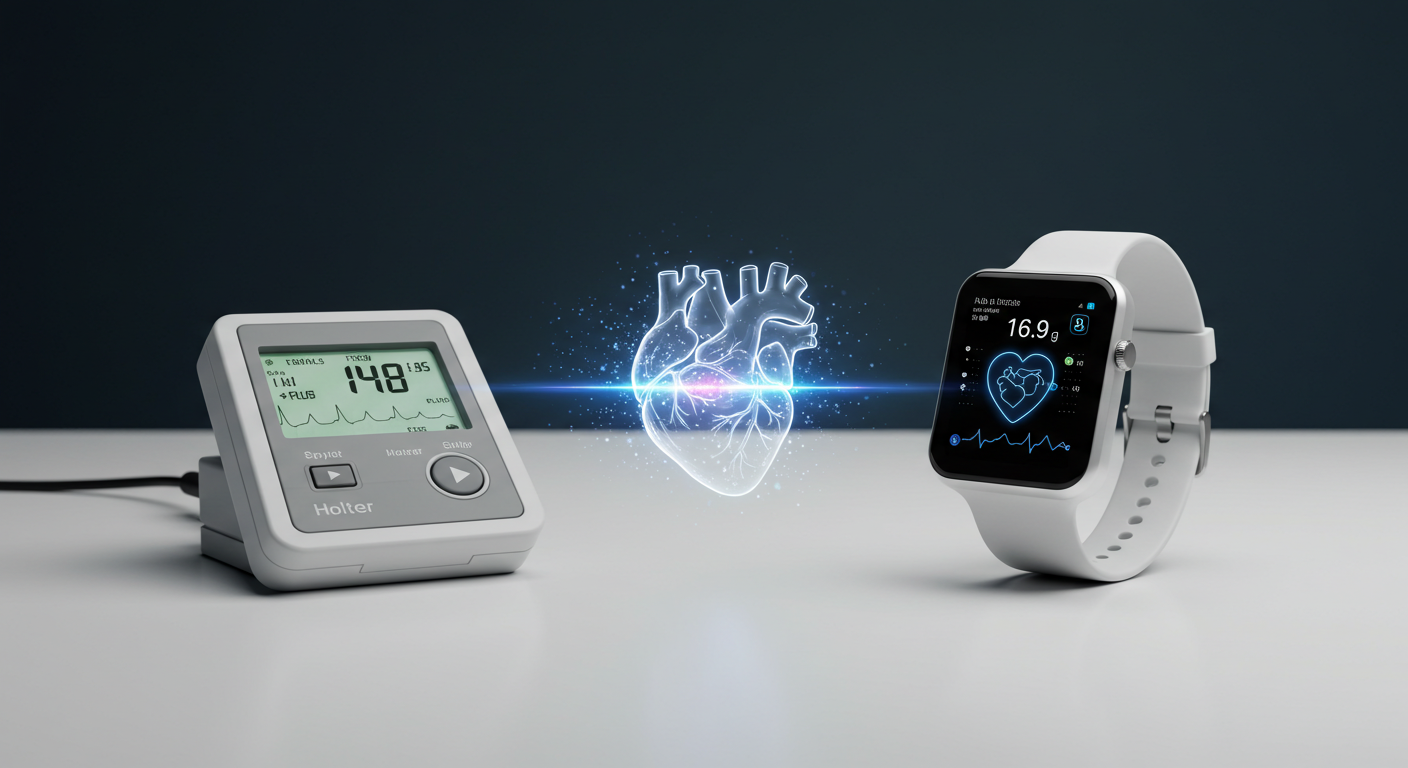
David’s cardiologist recommended cardiac monitoring after he experienced chest pains during exercise. Standing in the medical device store, he faced a choice that millions of Americans encounter daily: traditional Holter monitor machine technology or modern wearable heart devices.
The decision impacts more than convenience; it affects diagnostic accuracy, lifestyle comfort, and potentially life-saving early detection capabilities. Understanding the fundamental differences between these technologies helps you make informed choices about your cardiac health monitoring needs.
Understanding Traditional Holter Monitor Technology
-
Proven Medical Foundation
A Holter monitor machine represents decades of proven cardiac monitoring technology, refined through continuous medical research and clinical validation. These devices record every heartbeat for 24-hour to 30-day periods, creating comprehensive cardiac profiles.
-
Multi-Lead Electrode System
The technology uses multiple electrodes attached to your chest, providing detailed electrical activity analysis from different heart areas simultaneously. This multi-lead approach captures rhythm abnormalities that single-lead devices might miss entirely.
-
Clinical Grade Accuracy Standards
Medical professionals trust Holter monitor device results for diagnostic purposes because they meet strict accuracy standards required for clinical decision-making. The devices undergo rigorous FDA testing to ensure reliability in critical health situations.
-
Intermittent Problem Detection
Traditional systems excel at detecting intermittent problems that occur unpredictably. A portable ECG machine can capture brief arrhythmias that happen just once during weeks of monitoring, providing crucial diagnostic information.
The Rise of Wearable Heart Technology
-
Seamless Daily Integration
Modern wearable devices like personal EKG monitors integrate heart monitoring into daily life seamlessly, making cardiac surveillance feel natural rather than medical. These devices combine fitness tracking with basic cardiac rhythm analysis in convenient formats.
-
Advanced Consumer Sensors
Smartwatches and fitness bands now include sophisticated sensors that measure heart rate variability, detect irregular rhythms, and track exercise-induced cardiac changes. The portable EKG machine functionality appears in devices you already wear daily.
-
User Experience Priority
Consumer adoption has exploded because wearables eliminate the clinical feeling associated with traditional medical monitoring. People wear them comfortably during work, exercise, and social activities without feeling like patients.
-
Medical Inspiration vs. Consumer Focus
Holter monitor machine technology inspired many wearable innovations, but consumer devices prioritize user experience over pure medical accuracy, creating important differences in diagnostic capabilities.

Accuracy Comparison: Medical Grade vs. Consumer Tech
-
Clinical Validation Standards
Holter heart devices undergo extensive clinical validation, ensuring accuracy levels that doctors trust for diagnosis and treatment decisions. These systems detect subtle electrical changes that indicate serious cardiac conditions.
-
Wellness-Focused Algorithms
Wearable devices focus on trends and general wellness rather than precise medical diagnosis. They excel at identifying obvious rhythm problems but may miss subtle abnormalities that medical-grade equipment would detect immediately.
-
Simplified Consumer Technology
The portable electrocardiogram technology in consumer devices uses simplified algorithms optimized for user-friendly alerts rather than comprehensive medical analysis. This approach reduces complexity but potentially sacrifices diagnostic precision.
-
Multi-Vector Analysis Advantage
Holter monitor machine systems analyze multiple electrical vectors simultaneously, providing three-dimensional views of cardiac activity that single-sensor wearables cannot match.
Comfort and Lifestyle Integration
-
Wearable Convenience Advantage
Wearable devices win decisively in comfort and lifestyle integration. Modern smartwatches feel like fashion accessories rather than medical equipment, encouraging consistent long-term use.
-
Traditional Monitoring Challenges
Holter monitors require electrode patches that may irritate skin during extended wear. The visible wires and recording device can interfere with clothing choices and social situations.
-
Sleep Monitoring Benefits
Sleep monitoring represents a significant advantage for wearables. People sleep naturally while wearing smartwatches, but Holter monitor machine electrodes and wires can disrupt sleep quality and accuracy.
-
Hybrid Solution Development
The portable electrocardiogram machine now includes hybrid devices that balance medical accuracy with improved comfort, addressing traditional limitations of clinical monitoring equipment.
Detection Capabilities: What Each Technology Catches
Holter monitor machine systems excel at detecting complex arrhythmias, conduction blocks, and ischemic changes that indicate reduced blood flow to heart muscle. Their comprehensive analysis capabilities identify subtle problems early.
Wearable devices successfully detect atrial fibrillation, the most common dangerous rhythm disorder. Many consumer devices have FDA approval specifically for AFib detection, making them valuable screening tools.
Heart rate variability analysis works well on both platforms, but Holter devices provide more detailed analysis that helps doctors understand autonomic nervous system function and stress responses.
The best heart rate monitor watch can detect exercise-induced problems and provide valuable fitness-related cardiac data, but they may miss medication side effects or gradual rhythm deterioration.
Duration and Monitoring Flexibility
Holter monitor machine systems typically monitor for predetermined periods ranging from 24 hours to 30 days, providing intensive surveillance during specific timeframes when symptoms occur most frequently.
Wearable devices enable indefinite monitoring, creating long-term cardiac health profiles that reveal seasonal patterns, stress-related changes, and gradual rhythm evolution over months or years.
Extended monitoring duration helps capture intermittent problems that short-term monitor machine studies might miss. Some cardiac conditions appear only during specific circumstances or seasons.
The best heart rate sensor watch technology enables continuous background monitoring without the awareness or behavioral changes that traditional medical monitoring can create.
Data Quality and Medical Acceptance
Medical professionals readily accept Holter monitor machine data for diagnostic purposes because these devices meet established clinical standards. Insurance companies typically cover treatments based on Holter monitor findings without question.
Wearable device data requires careful interpretation by healthcare providers familiar with consumer technology limitations. Some doctors embrace wearable data, while others prefer traditional medical monitoring for diagnostic decisions.
Holter machine reports include detailed analysis performed by certified technicians, providing professional interpretation alongside raw data. This analysis helps doctors make treatment decisions quickly and confidently.
The heart rate monitor generates enormous amounts of data that may overwhelm both patients and healthcare providers without proper filtering and analysis tools.
Cost Considerations and Insurance Coverage
Holter monitor machine systems typically cost more upfront but include professional analysis and interpretation services. Insurance often covers these costs when medically necessary, reducing patient financial burden.
Wearable devices require ongoing subscription costs for advanced features and data analysis, creating long-term expenses that may exceed traditional monitoring costs over time.
Healthcare savings from early detection can justify either approach, but Holter monitor systems may provide faster diagnostic resolution, reducing overall medical costs through quicker treatment decisions.
Consider total ownership costs, including device purchase, ongoing services, healthcare provider visits, and potential insurance coverage when comparing options.
Professional Healthcare Integration
Holter monitor machine data integrates seamlessly with electronic health records and established medical workflows. Cardiologists receive standardized reports that fit easily into existing diagnostic processes.
Wearable device integration varies significantly between healthcare systems. Some practices embrace consumer health data, while others lack systems for incorporating wearable information into medical decision-making.
Remote monitoring capabilities differ substantially between platforms. Holter heart machine systems often include professional monitoring services where trained technicians review data continuously and alert doctors to concerning findings.
Consumer devices typically rely on automated algorithms for alerts, which may generate false alarms or miss subtle problems that human analysis would identify.
Technology Evolution and Future Trends
Holter monitor machine technology continues advancing with improved comfort, wireless connectivity, and enhanced analysis capabilities. New models reduce skin irritation while maintaining medical-grade accuracy.
Wearable technology evolves rapidly, with new sensors and algorithms appearing frequently. Future devices may achieve medical-grade accuracy while maintaining the convenience advantages that make them appealing.
Hybrid approaches combine the best aspects of both technologies, offering medical-grade accuracy in more comfortable, lifestyle-friendly packages that appeal to broader populations.
Artificial intelligence improvements benefit both platforms, with machine learning algorithms becoming better at distinguishing between normal variations and concerning abnormalities.

Making the Right Choice for Your Needs
Patients with diagnosed cardiac conditions or concerning symptoms typically benefit most from Holter monitor machine accuracy and professional monitoring capabilities. The medical-grade precision provides information doctors need for treatment decisions.
Healthy individuals interested in wellness monitoring and early detection may find wearable devices more practical for long-term use. The lifestyle integration encourages consistent monitoring that builds comprehensive health profiles.
Age and technology comfort levels influence device selection significantly. Older patients may prefer Holter monitors simplicity, while younger users often embrace wearable technology integration with smartphones and health apps.
Consider your specific monitoring goals, medical history, lifestyle preferences, and healthcare provider recommendations when choosing between these technologies.
Combining Both Technologies Strategically
Many patients benefit from using both technologies strategically, employing Holter monitor machine systems during symptomatic periods for detailed medical analysis while using wearables for ongoing wellness monitoring.
This combined approach provides comprehensive cardiac surveillance that captures both acute problems and long-term trends, offering the best aspects of both monitoring philosophies.
Healthcare providers increasingly recognize the value of combining professional-grade monitoring with consumer device trends, creating more complete pictures of patient cardiac health.
The cost of using both technologies may be justified by improved early detection capabilities and better long-term health outcomes.
Frequently Asked Questions
Q1: Which technology is more accurate for detecting heart problems?
Holter monitor machine systems provide superior medical-grade accuracy, while wearables excel at detecting obvious rhythm problems and long-term trends.
Q2: Can I use a smartwatch instead of a prescribed Holter monitor?
Never substitute consumer devices for prescribed medical monitoring. Holter monitors provide specific diagnostic information that doctors need for treatment decisions.
Q3: How long should I monitor my heart rhythm?
Monitoring duration depends on your symptoms and medical needs. Holter monitor machine studies typically last 24 hours to 30 days, while wearables enable indefinite monitoring.
Q4: Do insurance companies cover both types of devices?
Insurance typically covers medically necessary Holter machine studies but rarely covers consumer wearable devices, even when used for health monitoring.
The choice between Holter monitor machine technology and wearable heart devices depends on your specific needs, medical condition, and monitoring goals. Both technologies offer valuable capabilities that can improve cardiac health outcomes when used appropriately.
Medical-grade monitoring provides the accuracy and professional interpretation necessary for diagnosing and treating cardiac conditions. Consumer wearables offer convenience and long-term trend analysis that supports wellness and early detection efforts.
The best choice combines professional medical guidance with appropriate technology selection based on your individual cardiac health needs and lifestyle preferences. Holter monitor machine systems and wearable devices both play important roles in modern cardiac care, and the right choice depends on understanding their unique strengths and limitations.
Choosing the perfect heart monitoring solution for your needs? Explore healthtechinfo’s comprehensive selection of both professional-grade Holter monitors and advanced wearable heart devices.
Read more on Top 5 Electrocardiogram devices of 2025.