


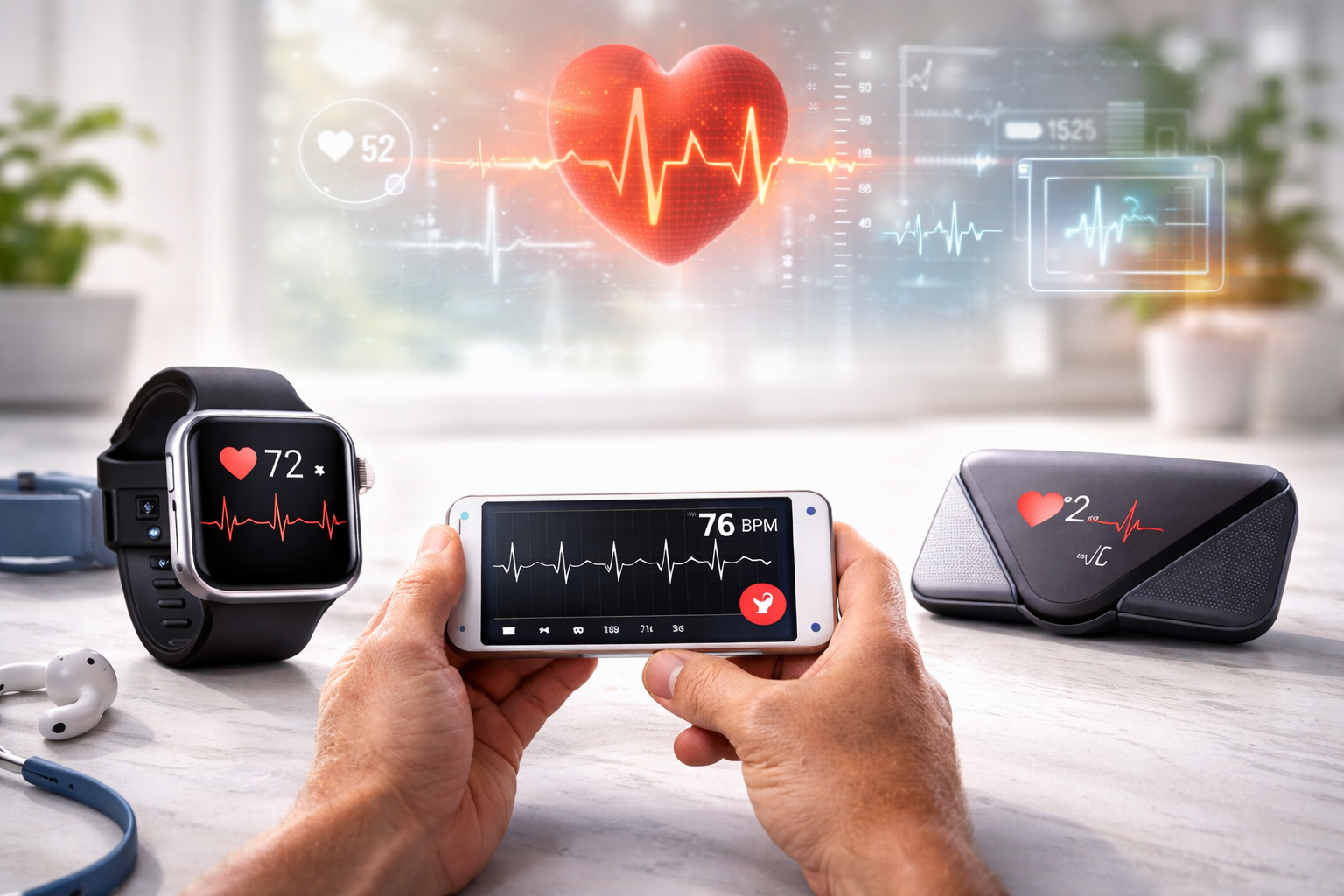
In today’s fast-paced world, monitoring heart health has never been more important. Whether you’re an athlete striving for peak performance, a health-conscious individual, or someone managing a cardiac condition, understanding your heart rate and overall heart function is crucial. Heart rate monitors have evolved tremendously over the past decade, offering advanced features that make keeping track of your heart easier and more accurate than ever.
Modern technology has transformed heart monitoring from a simple pulse check into sophisticated tools that provide insights into overall health, stress levels, sleep quality, and even early warning signs for serious conditions. From wristbands to portable EKG devices, wearable ECG devices are now accessible, reliable, and increasingly integrated with telehealth systems.
Understanding Heart Rate Monitors
At their core, heart rate monitors are devices designed to measure how fast your heart is beating at any given moment. Your heart rate provides crucial insights into your cardiovascular health, fitness level, and stress response. The traditional method of manually checking your pulse has largely been replaced by advanced technology capable of continuous and real-time tracking.
Heart rate monitors work using either optical sensors or electrical sensors. Optical sensors, commonly found in wrist-based devices, use light to detect blood flow and calculate heartbeats. Electrical sensors, used in chest straps and portable ECG monitors, measure the electrical impulses generated by the heart. These devices can capture more precise data, especially during high-intensity activities or when detecting irregular rhythms.
The Importance of Heart Rate Monitoring
Monitoring your heart rate isn’t just for athletes. Here’s why it matters:
1. Fitness and Exercise Optimization
For runners, cyclists, or gym enthusiasts, knowing your heart rate can significantly improve your training outcomes. By tracking heart rate zones—resting, fat-burning, aerobic, and anaerobic—users can train more efficiently. Heart rate monitors for running provide real-time feedback, helping prevent overtraining and guiding recovery periods.
For example, a runner aiming to improve endurance might focus on staying in their aerobic zone for extended periods, while a sprinter may target the anaerobic zone to boost explosive performance. Heart rate data also helps track progress over time, ensuring training adaptations are measurable and meaningful.
2. Early Detection of Heart Conditions
Modern devices like portable EKG monitoring devices and handheld ECG devices allow for clinical-grade monitoring at home. These tools can detect arrhythmias, atrial fibrillation, and other irregular heartbeats that might go unnoticed. Detecting such abnormalities early can be life-saving, as it allows for timely medical intervention before a serious cardiac event occurs.
A recent trend in cardiology is using wearable ECG devices for long-term monitoring. Patients who previously needed in-clinic Holter monitors can now track heart rhythms for weeks using wearable ECG monitors, sending data directly to their healthcare provider. This approach improves diagnostic accuracy and patient compliance.
3. Convenience and Accessibility
Heart rate monitors have become highly convenient. From smart watch heart rate monitors to portable, wireless EKG devices, users can track their heart health anywhere, anytime. Devices with smartphone integration can store historical data, alert users to irregular heartbeats, and even provide actionable recommendations.
4. Telehealth Integration
Remote healthcare solutions have transformed how cardiac conditions are managed. Devices equipped with telehealth cardiac monitors allow healthcare providers to track patient data remotely. This capability reduces hospital visits, enables continuous monitoring, and allows doctors to make timely adjustments to treatment plans.
5. Mental Health and Stress Management
Heart rate variability (HRV), a metric derived from heart rate monitoring, is a valuable indicator of stress and autonomic nervous system function. Devices that track HRV can help users understand their stress levels, improve sleep, and adopt relaxation techniques.
Types of Heart Rate Monitors
Heart rate monitors come in various forms, each with unique advantages. Understanding these options will help you choose the right device for your lifestyle.
Wrist-Based Monitors
Wrist-based monitors are the most popular due to convenience. Modern smartwatches track heart rate continuously, measure activity levels, and provide ECG capabilities. While they are slightly less accurate during high-intensity workouts than chest straps, wrist monitors are perfect for daily tracking, fitness, and general health awareness.
Chest Straps
Chest straps are highly accurate because they detect the heart’s electrical signals directly. Athletes who require precise data, such as competitive runners, triathletes, and cyclists, often prefer these devices. Chest straps are particularly useful for measuring heart rate during intense exercise or when monitoring recovery intervals.
Portable ECG and Handheld Devices
Portable ECG monitors offer clinical-grade readings at home. Devices such as the best home EKG machine or handheld ECG device USA provide multi-lead data and detailed heart rhythm analysis. These devices are beneficial for individuals with pre-existing heart conditions or those under continuous cardiac monitoring by a physician.
Wearable ECG Monitors
Wearable ECG monitors combine convenience with medical-grade functionality. Many of these devices have FDA heart device clearance, ensuring clinical accuracy and reliability. Wearable ECGs can capture long-term heart activity, detect arrhythmias, and integrate with telehealth platforms, making them ideal for patients requiring ongoing monitoring.
Choosing the Right Heart Rate Monitor
When selecting a telehealth cardiac monitors, consider the following factors:
-
Purpose: Are you monitoring general fitness, managing a medical condition, or tracking athletic performance?
-
Accuracy: Chest straps and multi-lead ECG devices offer the most precise readings, while wrist monitors are suitable for everyday tracking.
-
Connectivity: Devices that sync with smartphones or telehealth platforms provide enhanced tracking and professional oversight.
-
Ease of Use: Comfort and usability are critical, especially for long-term wear.
-
Clinical Features: Devices with ECG capabilities or multi-lead functionality are preferable for individuals needing medical-grade monitoring.
Clinical Benefits of ECG and Wearable Technology
The clinical benefits of ECG wearables extend beyond convenience. Research shows that wearable ECG devices can:
-
Detect asymptomatic arrhythmias early
-
Reduce the risk of undiagnosed atrial fibrillation
-
Provide actionable data for doctors to adjust medication or treatment plans
-
Enable long-term cardiac monitoring without hospital visits
These devices empower individuals to take control of their heart health, providing both patients and clinicians with more comprehensive data than periodic in-office visits can offer.
Lifestyle Benefits and Real-Life Applications
Exercise and Training
By tracking heart rate during different types of workouts, athletes can:
-
Avoid overtraining and reduce injury risk
-
Optimize fat-burning or endurance sessions
-
Monitor recovery periods effectively
Daily Health and Stress Management
Devices that track heart health tracking gadgets provide insights into:
-
Heart rate variability (HRV) for stress management
-
Sleep quality and patterns
-
Effects of diet, caffeine, or alcohol on heart rate
Remote Health Monitoring
With heart health remote monitoring systems, patients with chronic conditions can share heart data with doctors in real-time. This proactive approach reduces hospitalizations and helps maintain stable heart function.
Preventive Care
Regular monitoring helps identify early signs of cardiovascular issues, enabling lifestyle adjustments or medical intervention before serious complications arise.
Emerging Trends in Heart Monitoring
Portable Multi-Lead ECG Devices
Portable devices offering 6-lead EKG monitoring are increasingly popular. They provide high-resolution heart data comparable to clinical devices, making advanced cardiac assessment possible outside hospital settings.
Telehealth and Remote Patient Management
Integration with telehealth platforms allows doctors to monitor patient heart activity, adjust treatment, and provide immediate advice. This trend has made cardiac care more patient-centered, convenient, and proactive.
Smart Wearables
The latest smartwatches combine heart rate monitoring, ECG functionality, fitness tracking, and telehealth integration. These devices not only track fitness but also provide medical-grade cardiac data.
Clinical and Consumer Integration
As more devices receive FDA heart device clearance, the line between consumer wearable and medical device continues to blur. This ensures that users can rely on their devices not just for fitness but for meaningful health insights.
Conclusion
Heart rate monitors have come a long way from simple pulse-checking tools. Today, devices range from affordable wristbands to portable EKG wireless monitors with clinical-grade accuracy. Whether you are an athlete, a health-conscious individual, or a patient requiring ongoing cardiac monitoring, there’s a device tailored to your needs.
By incorporating heart monitoring into your daily life, you gain insights into your cardiovascular health, optimize fitness, reduce stress, and detect potential cardiac issues early. The integration of wearable ECG technology, telehealth cardiac monitors, and advanced heart rhythm monitor devices ensures that heart monitoring is accessible, reliable, and clinically meaningful.
Investing in a heart rate monitor is more than just a tech trend—it’s a commitment to proactive, informed, and preventive health care. Your heart is your most vital organ, and these devices empower you to take charge of its well-being.