


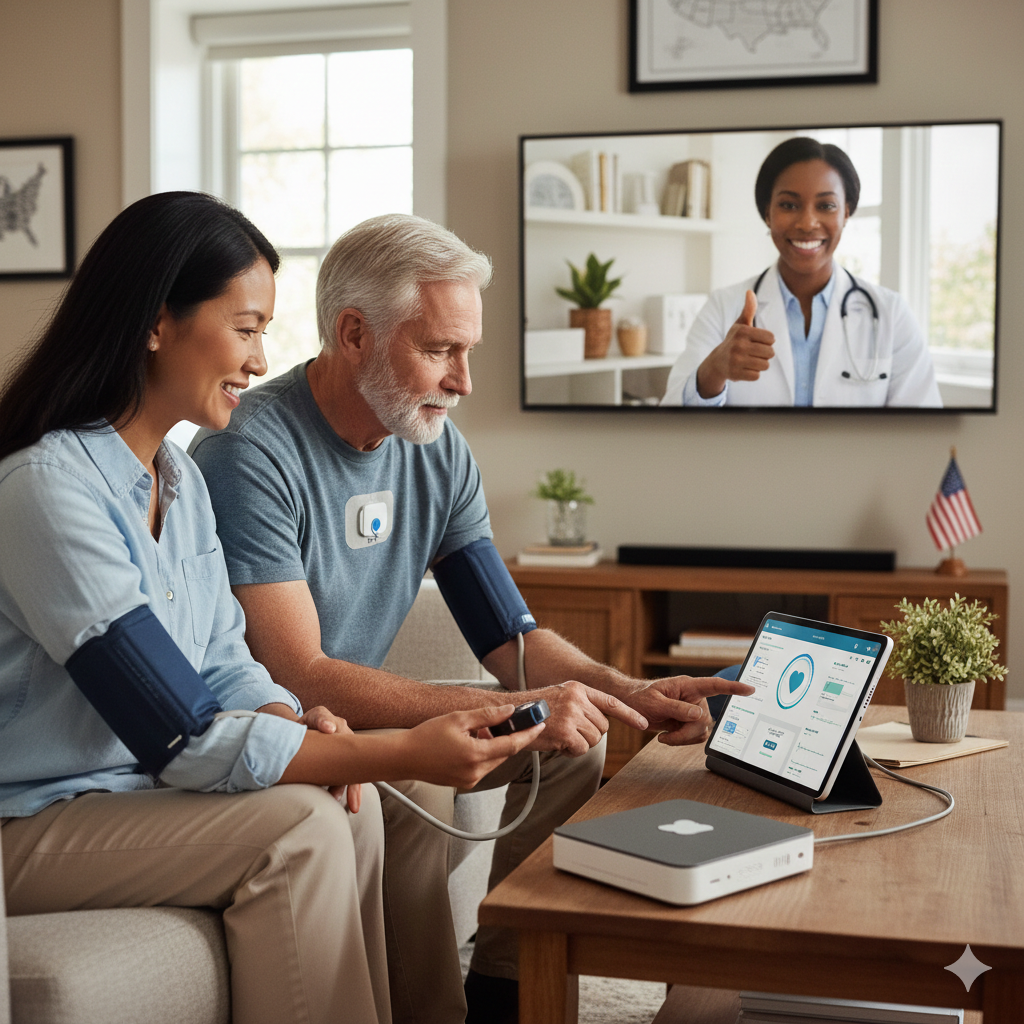
Healthcare is no longer confined to hospitals and clinics. Over the past decade, Healthcare Technology has evolved from basic electronic records to intelligent, connected systems that actively monitor, analyze, and even predict health conditions in real time. In the United States, this transformation is particularly visible in cardiac care, where wearable devices and remote monitoring tools are reshaping how patients manage heart health.
From smartwatches that track heart rhythms to advanced home monitoring systems, technology is helping people detect problems earlier, receive faster interventions, and take a more proactive role in their well-being. This article explores how medical technology is revolutionizing heart care, highlights the rise of smart medical devices, and explains what these innovations mean for patients and providers alike.
Why Healthcare Technology Is Becoming Essential
Healthcare Technology is no longer just an industry trend — it is a necessity. Rising healthcare costs, an aging population, and the increasing prevalence of chronic diseases have placed pressure on traditional care models. Digital solutions are helping bridge the gap between patient needs and provider capacity.
Today’s Healthcare Technology focuses on:
-
Early detection of disease
-
Continuous monitoring outside clinical settings
-
Data-driven decision-making
-
Improved patient engagement
-
Reduced hospital readmissions
Cardiovascular disease remains one of the leading causes of death in the USA. Because heart conditions often require ongoing monitoring, cardiac care has become one of the biggest beneficiaries of technological innovation.
The Rise of Wearable Health Technology
One of the most visible advancements in smart healthcare is Wearable Health Technology. Devices that were once limited to counting steps now measure heart rate variability, oxygen levels, and even detect irregular heart rhythms.
Consumers searching for the Best health smartwatches are no longer focused only on fitness features. They want clinically relevant insights — such as ECG readings, heart rate alerts, and long-term trend analysis. This shift reflects a broader movement toward preventive healthcare.
Modern health wearables provide:
-
Real-time heart rate tracking
-
Irregular rhythm notifications
-
Activity and sleep monitoring
-
Data syncing with mobile apps
-
Secure sharing with healthcare providers
These devices empower users to understand patterns in their heart activity and identify potential concerns before symptoms escalate.
Personal EKG Devices: Bringing Clinical Tools Home
Among the most impactful developments in Healthcare Technology is the availability of the Personal EKG monitor USA market. Traditionally, electrocardiograms were performed only in hospitals or diagnostic labs. Today, compact devices allow individuals to record heart rhythm readings from home.
A FDA approved EKG device offers reassurance that the technology meets safety and performance standards. These devices are designed to detect irregular rhythms such as atrial fibrillation, which, if left untreated, can increase the risk of stroke.
Many people ask: Are personal EKG monitors accurate? The answer depends on the device and how it is used. While they do not replace comprehensive clinical testing, many modern devices provide highly reliable single-lead ECG readings. When used properly and reviewed by a physician, they can serve as an effective screening and monitoring tool.
Understanding the Difference Between ECG and EKG
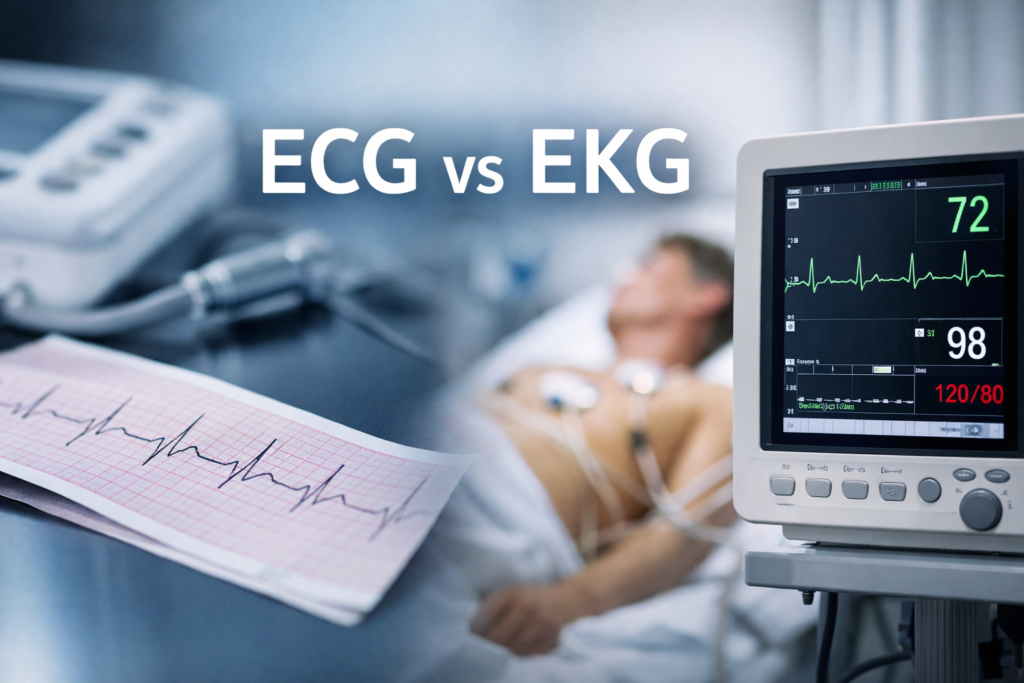
A common source of confusion in Healthcare Technology discussions is the terminology itself. The Difference between ECG and EKG is actually linguistic rather than technical. Both abbreviations refer to an electrocardiogram — a test that records the electrical activity of the heart. “EKG” comes from the German word Elektrokardiogramm, while “ECG” is the English abbreviation.
Regardless of terminology, these readings provide critical information about heart rhythm, rate, and electrical conduction patterns.
Remote Monitoring and the Internet of Things
Another major pillar of Healthcare Technology is Remote monitoring with IoT devices. The Internet of Things (IoT) connects medical devices to secure networks, enabling continuous data transmission between patients and healthcare providers.
This innovation supports:
-
Chronic disease management
-
Post-surgical recovery monitoring
-
Early detection of abnormal readings
-
Reduced in-person visits
In cardiology, Remote cardiac monitoring USA programs allow patients to transmit heart data directly to clinicians. If an irregular pattern appears, medical teams can intervene quickly. This proactive model enhances safety while reducing unnecessary hospitalizations.
Smart Medical Devices and Connected Care
The expansion of Smart medical devices is redefining patient care. These tools integrate sensors, wireless connectivity, and cloud-based analytics to deliver meaningful insights.
Examples include:
-
Advanced Heart monitor systems
-
Portable Cardiac monitor devices
-
Connected blood pressure cuffs
-
Smart scales with cardiovascular indicators
By combining hardware and intelligent software, Digital health is creating an ecosystem where patient data flows seamlessly into secure platforms for analysis.
Heart Tracking and Preventive Care
Modern Healthcare Technology emphasizes prevention over reaction. Continuous Heart tracking enables individuals to observe long-term trends in their cardiovascular health. Instead of discovering issues during an emergency, patients can identify irregularities early.
Preventive heart monitoring supports:
-
Early AFib detection
-
Medication effectiveness tracking
-
Lifestyle adjustment insights
-
Data-driven physician consultations
This shift toward proactive care not only saves lives but also reduces healthcare costs across the system.
The Evolution of EKG Machines
The traditional EKG machine found in hospitals remains a cornerstone of cardiac diagnostics. However, Healthcare Technology has significantly miniaturized and enhanced this equipment.
Portable units now provide:
-
Rapid deployment in emergency settings
-
Multi-lead recording capabilities
-
Digital storage and cloud sharing
-
Integration with electronic health records
These advancements improve workflow efficiency while maintaining diagnostic accuracy.
Patient Monitoring Beyond the Hospital
Continuous Patient monitoring is no longer restricted to intensive care units. Thanks to Healthcare Technology, monitoring solutions are now portable, wearable, and cloud-connected.
Benefits include:
-
Reduced readmission rates
-
Greater patient independence
-
Real-time clinical alerts
-
Improved chronic disease management
As technology becomes more accessible, patients are taking a more active role in managing their own health.
Heart Diagnostics in the Digital Age
Modern Heart diagnostics rely heavily on data integration. Instead of isolated test results, Healthcare Technology compiles comprehensive health profiles that combine ECG readings, activity levels, blood pressure data, and historical medical records.
This holistic approach enhances diagnostic precision and supports personalized treatment plans.
Data Security and Privacy in Healthcare Technology
With increased connectivity comes greater responsibility. Healthcare Technology platforms must prioritize:
-
HIPAA compliance
-
Encrypted data transmission
-
Secure cloud storage
-
Transparent privacy policies
In the USA, patient trust depends on strong data protection standards. As devices become more interconnected, cybersecurity remains a top priority.
The Future of Healthcare Technology in Cardiology
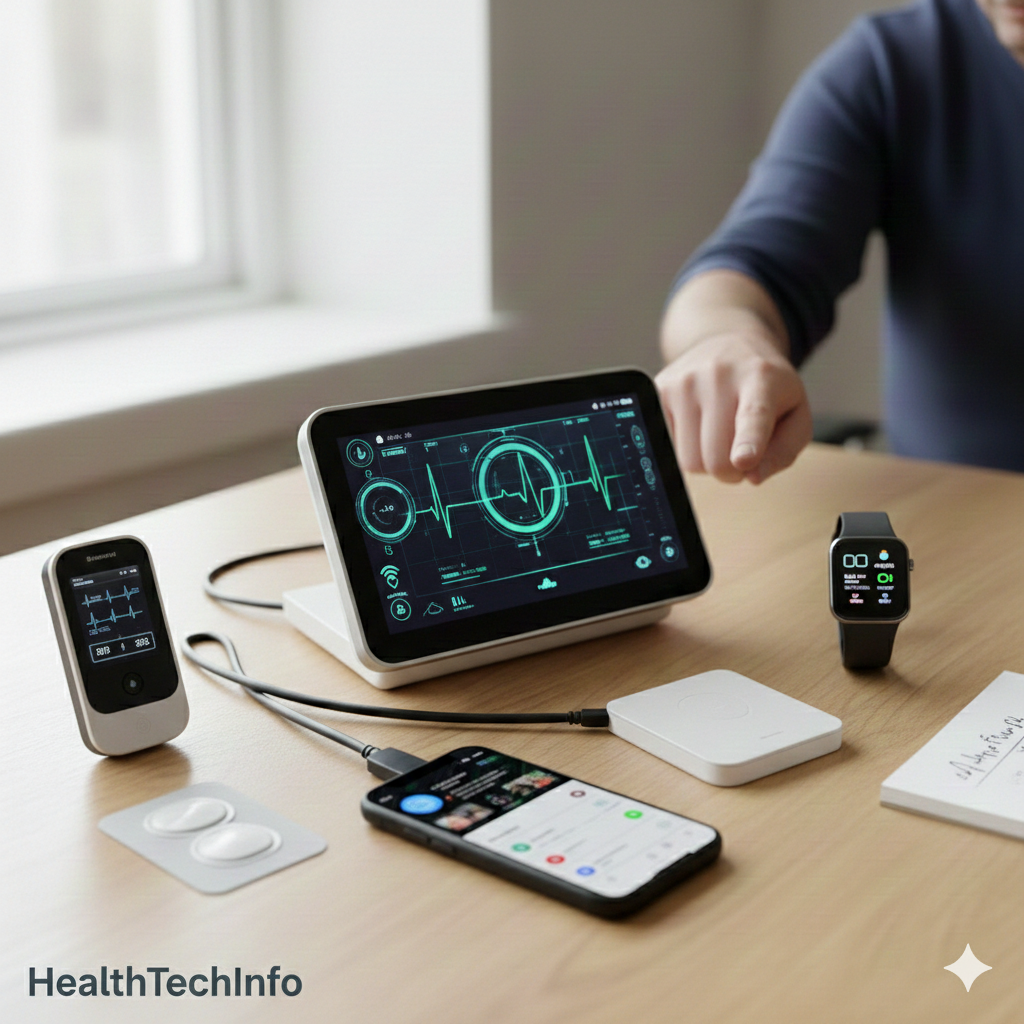
Looking ahead, Healthcare Technology will continue evolving in several key areas:
-
Artificial Intelligence Integration
AI algorithms will enhance arrhythmia detection and predictive modeling. -
Expanded Remote Care Programs
Remote cardiac monitoring will become standard for high-risk patients. -
Greater Accessibility
Affordable devices will make advanced monitoring available to wider populations. -
Interoperability Improvements
Seamless integration across platforms will streamline patient care.
The long-term goal is clear: empower individuals with tools that provide actionable health insights while enabling healthcare providers to deliver timely, data-driven care.
Why Healthcare Technology Matters for Every American
Whether managing a chronic condition or simply prioritizing wellness, Health tech plays a growing role in everyday life. From smartwatches to home EKG devices, innovation is bringing advanced diagnostics into living rooms across the country.
This shift represents more than convenience — it represents a fundamental change in how healthcare is delivered. By combining connectivity, real-time data, and preventive monitoring, Telehealth technology is helping transform reactive medicine into proactive care.
For readers seeking reliable insights into the latest advancements, platforms like HealthTechInfo serve as valuable educational resources in navigating the evolving digital health landscape.
Embracing the Next Era of Digital Heart Care
Healthcare Technology is not just shaping the future — it is redefining the present. With wearable devices, connected monitoring systems, and advanced diagnostic tools becoming mainstream, Americans now have unprecedented access to insights about their heart health.
As innovation continues to accelerate, the integration of smart devices into everyday life will only deepen. The result is a more informed, proactive, and connected healthcare experience — one where patients and providers work together through technology to achieve better outcomes.
The digital transformation of heart care has only just begun, and Health wearables will remain at the center of this life-saving evolution.
Frequently Asked Questions (FAQ)
1. What is Healthcare Technology?
Healthcare Technology refers to digital tools, devices, and systems designed to improve medical care, diagnosis, monitoring, and treatment. It includes wearables, remote monitoring systems, AI-based software, and connected medical equipment.
2. Are wearable heart monitors reliable?
Many modern wearable devices provide accurate heart rate and rhythm data. While they do not replace comprehensive clinical testing, they are effective tools for screening and ongoing monitoring when used correctly.
3. What is the difference between ECG and EKG?
There is no functional difference. Both terms describe the same test that records the electrical activity of the heart. The variation comes from language origins.
4. Can personal EKG devices detect serious heart problems?
Personal devices can detect irregular rhythms such as atrial fibrillation. However, they should be used as monitoring tools rather than diagnostic replacements for professional medical evaluations.
5. How does remote cardiac monitoring work?
Remote monitoring systems transmit heart data from a patient’s device to healthcare providers through secure networks. Clinicians review the data and respond if abnormalities are detected.
6. Is Healthcare Technology safe?
When regulated and approved under U.S. medical standards, healthcare devices undergo safety and performance testing. Patients should always choose reputable, compliant products.