

Maintaining heart health is a priority for millions of Americans. With the rise of cardiovascular conditions in the USA, regular monitoring has become essential for early detection and prevention. One of the most effective tools for tracking heart activity is an electrocardiogram monitor. Whether you are a patient managing a chronic condition, an athlete seeking performance insights, or someone simply wanting to stay proactive about health, understanding ECG technology is crucial.
This comprehensive guide explores the various types of ECG/EKG monitors, how they work, the benefits of regular monitoring, and the latest wearable and portable devices available across the United States.
What is an Electrocardiogram Monitor?
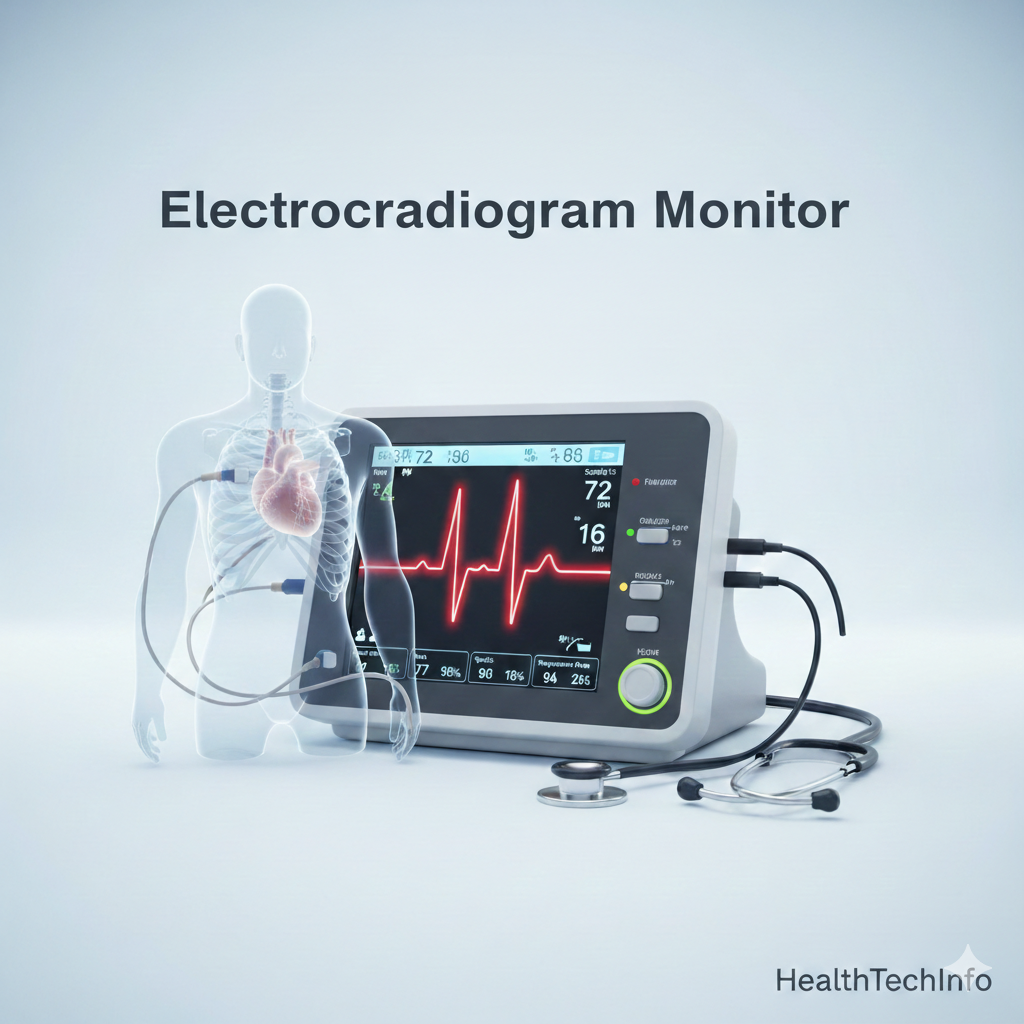
An electrocardiogram monitor (ECG monitor) is a device that records the electrical activity of your heart. Each heartbeat generates a small electrical signal, and ECG monitors detect these signals to measure heart rate, rhythm, and overall cardiac health.
The readings from these monitors help healthcare providers identify irregularities such as arrhythmias, atrial fibrillation, and other cardiac issues. Traditional ECG tests were only available in hospitals or clinics, but modern advancements have made it possible to use portable and wearable monitors at home, making heart health management easier for Americans.
Types of Electrocardiogram Monitors
Different heart monitoring needs call for different types of ECG devices. Here’s a closer look at the most common types:
1. Portable ECG Monitors
Portable ECG monitors are compact and easy to use, allowing patients to monitor their heart anywhere. Many models connect to smartphones, enabling users to track their heart activity over time and share the data with healthcare professionals. Portable ECG monitors are perfect for individuals who need ongoing heart monitoring but prefer the convenience of home or travel use.
2. Holter Cardiac Monitors
A Holter cardiac monitor records heart activity continuously, typically over 24–48 hours. This type of monitor provides detailed information about heart rhythms during regular daily activities. Holter monitors are essential for detecting intermittent arrhythmias that might not appear during a standard ECG test at a clinic.
3. Event Monitors
Event monitors are designed to record heart activity only during episodes of irregular rhythm or when triggered by the patient. These devices are particularly useful for people who experience sporadic symptoms like palpitations or dizziness. Some models can store data for days or weeks, allowing doctors to analyze unusual cardiac events that may otherwise go unnoticed.
4. Wearable ECG Devices
Wearable technology has transformed heart monitoring. Devices such as Apple Watches ECG and other wearable ECG devices allow users to perform on-demand readings directly from their wrists. These devices can monitor heart rate trends, detect irregular rhythms, and even alert the user to potential cardiac issues. They are convenient for fitness enthusiasts, athletes, and anyone looking to maintain heart health without constant medical appointments.
5. Electrocardiogram Patches
ECG patches are small adhesive devices placed on the chest to continuously monitor heart activity for several days. They are discreet, comfortable, and ideal for long-term cardiac monitoring. Some patches automatically upload readings to online platforms, allowing doctors to track heart health remotely.
6. ECG Chest Strap Monitors
These monitors are often used by athletes to track heart performance during workouts. ECG chest strap monitors provide real-time heart rate data and can be paired with fitness apps for detailed analysis of cardiovascular performance. They are particularly helpful for training optimization and monitoring the impact of physical activity on heart health.
How Electrocardiogram Monitors Work
An electrocardiogram monitor functions by detecting the electrical impulses generated by the heart. Each heartbeat produces a small voltage that travels through the heart muscle. ECG sensors capture this electrical activity and translate it into waveforms, which are then displayed on a screen or sent to a connected device.
Modern devices often include features such as Bluetooth connectivity, smartphone apps, and cloud storage, enabling users in the USA to monitor their heart continuously and share results with healthcare professionals in real-time. Whether using a portable ECG or a wearable ECG device, proper placement and consistent usage are key to accurate readings.
Benefits of Using an Electrocardiogram Monitor
Regular use of an electrocardiogram monitor provides numerous benefits:
-
Early Detection of Heart Conditions: Monitoring your heart helps detect irregularities like arrhythmias and atrial fibrillation before they become severe.
-
Remote Health Monitoring: Many devices offer real-time data transmission, which is valuable for telehealth consultations in the USA.
-
Fitness Optimization: Athletes and fitness enthusiasts can track heart rate trends and optimize workouts using devices like ECG fitness monitors or chest strap monitors.
-
Convenience and Peace of Mind: Home ECG monitors allow patients to track heart activity without frequent hospital visits.
-
Personalized Health Insights: Wearable devices can track trends over time, helping users make informed decisions about lifestyle and healthcare choices.
Medical ECG Monitors vs. Fitness ECG Devices
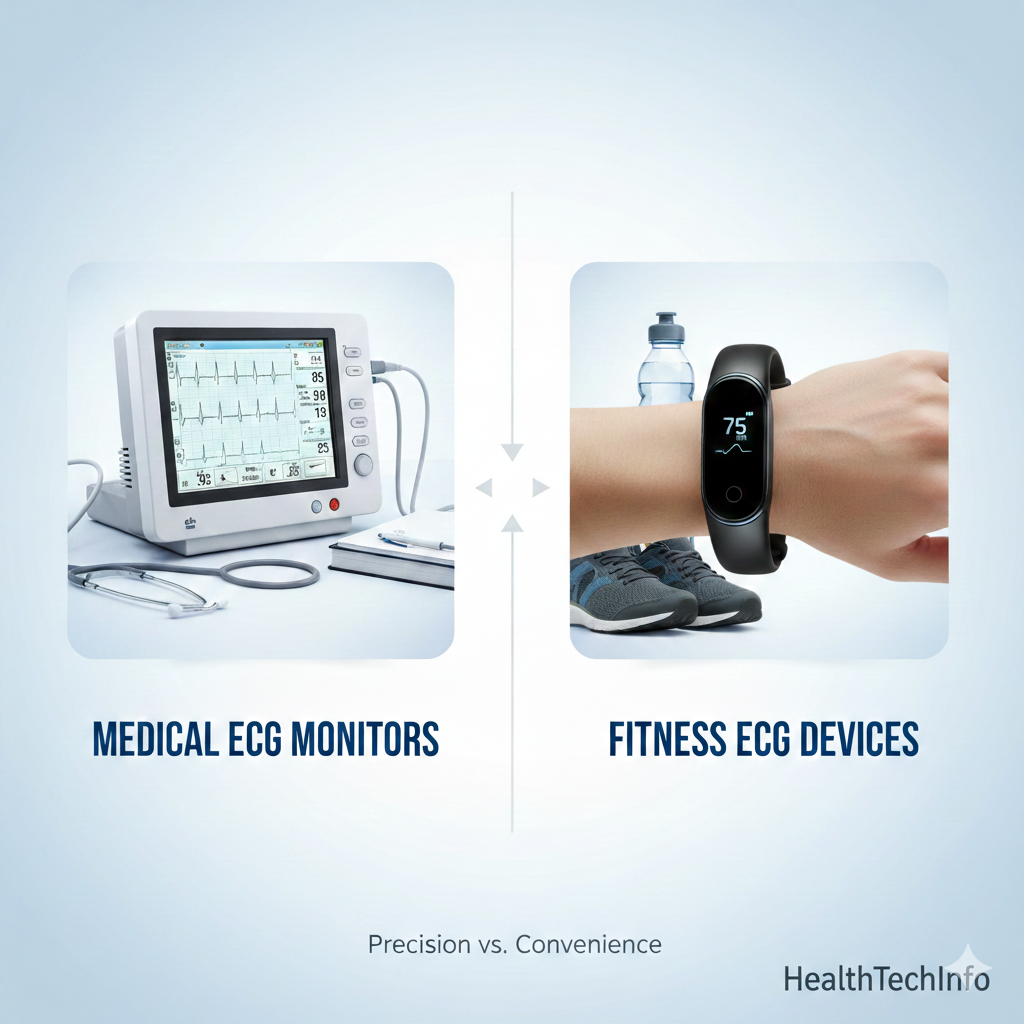
Understanding the difference between medical-grade and fitness-oriented ECG monitors is important when deciding which device to use:
-
Medical ECG Monitors: These are typically prescribed by doctors and offer highly detailed readings. They often include multiple leads for comprehensive FDA-approved heart monitoring devices for clinical use.
-
Fitness ECG Devices: These devices, including smartwatches with ECG function and chest strap monitors, are designed to track heart activity for general wellness and fitness purposes. While they provide less detailed data than medical monitors, they are convenient for everyday heart monitoring.
Tips for Using a Portable ECG Monitor
Using a portable ECG monitor effectively requires some best practices:
-
Read Instructions Carefully: Proper electrode placement is essential for accurate readings.
-
Use Regularly: For the most meaningful data, use the device consistently at recommended intervals.
-
Track Symptoms: Record your heart activity during any symptoms such as dizziness, palpitations, or chest discomfort.
-
Sync with Apps: Many portable monitors connect with mobile apps, making it easier to visualize trends and share results with your doctor.
-
Consult Healthcare Providers: Always review abnormal readings with a healthcare professional for proper diagnosis and guidance.
Buying an ECG Monitor Online in the USA
If you’re planning to buy an Electrocardiogram monitor online in the USA, here are factors to consider:
-
FDA Approval: Ensure the device is certified for medical use.
-
Device Type: Decide between portable monitors, Holter monitors, or wearable devices based on your needs.
-
Connectivity Features: Look for devices that sync with smartphones and apps for easy monitoring.
-
Comfort and Wearability: Choose a device that is comfortable to wear for extended periods.
-
Reviews and Ratings: Check user feedback and recommendations to ensure reliability and accuracy.
Many reputable suppliers in the USA provide online purchase options for home ECG monitoring devices, ensuring both convenience and safety.
Smartwatches with ECG Function
Smartwatches equipped with ECG functionality, such as Apple Watches ECG, have made heart monitoring accessible to millions. These devices provide instant readings, alert users to irregular rhythms, and integrate seamlessly with health apps. For Americans with busy lifestyles, smartwatches offer a balance of convenience and health monitoring without replacing professional medical devices.
Electrocardiogram Monitoring for Specific Conditions
ECG monitoring can be particularly useful for:
-
Atrial Fibrillation: Detect irregular heartbeats before complications arise.
-
Arrhythmias: Identify irregular rhythms and seek timely medical care.
-
Palpitations: Track sporadic episodes using event monitors or portable devices.
-
Heart Health in Athletes: Monitor heart rate responses to exercise for improved training outcomes.
-
Elderly Patients: Ensure consistent heart monitoring without frequent clinic visits.
Frequently Asked Questions (FAQs)
1. What is the difference between ECG and EKG?
ECG and EKG are the same. ECG stands for electrocardiogram, while EKG comes from the German spelling “Elektrokardiogramm.”
2. Can I use a portable ECG monitor at home?
Yes, modern portable ECG monitors are designed for home use and provide accurate readings with minimal setup.
3. Are wearable ECG devices reliable?
Most FDA-approved wearable ECG devices provide accurate readings for general health monitoring and early detection of irregular heart rhythms.
4. How long should I wear a Holter monitor?
Typically, Holter monitors are worn for 24–48 hours, but some extended models can track heart activity for up to two weeks.
5. Can ECG monitors detect heart disease early?
Yes, consistent monitoring with an electrocardiogram monitor can help detect arrhythmias and other heart conditions early, allowing timely medical intervention.
6. Are there ECG devices suitable for fitness enthusiasts?
Yes, ECG fitness monitors, chest strap monitors, and smartwatches with ECG function are designed to track heart performance during workouts.