

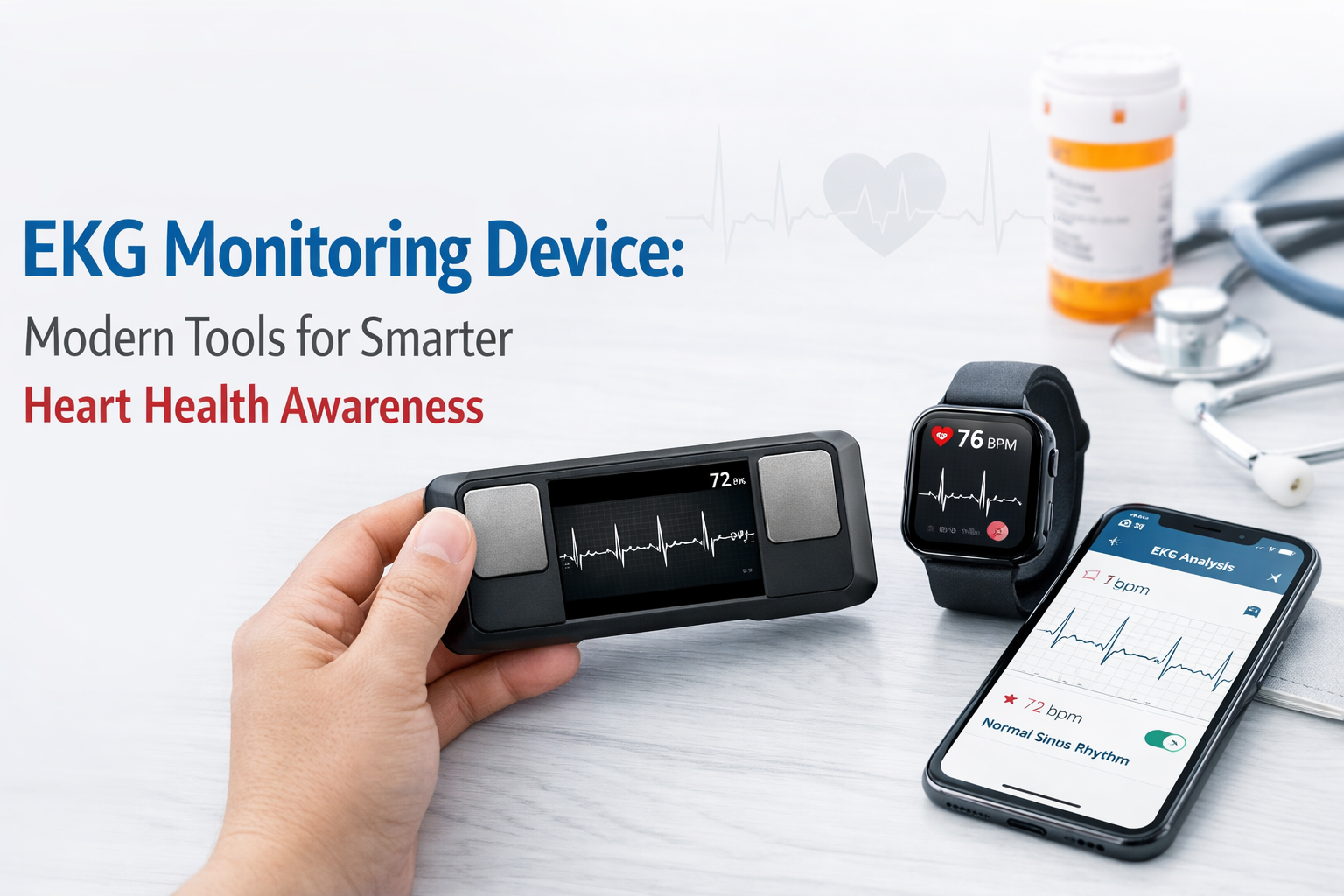
Heart health is no longer something people think about only during doctor visits or medical emergencies. With cardiovascular conditions becoming increasingly common, individuals are looking for reliable and convenient ways to stay informed about their heart activity. This growing awareness has made the EKG monitoring device an essential part of modern preventive healthcare.
Once limited to hospitals and diagnostic labs, heart monitoring technology is now available in compact, user-friendly formats designed for everyday use. From tracking irregular heart rhythms to supporting long-term wellness goals, an EKG monitoring device gives people greater control over their heart health—right from the comfort of home.
This guide explores how EKG monitoring works, why home-based monitoring is gaining popularity, and how these devices are reshaping the future of heart care.
What Is an EKG Monitoring Device?
An EKG monitoring device is a medical technology tool designed to measure and record the electrical signals generated by the heart. Each heartbeat produces electrical impulses that travel through the heart muscle, and these signals reveal important information about heart rhythm, rate, and overall function.
By capturing this data, an EKG monitoring device helps identify irregularities such as skipped beats, unusually fast or slow rhythms, or patterns that may indicate underlying heart conditions. The collected information can be reviewed instantly or shared with healthcare professionals for further evaluation.
Modern devices are designed to be intuitive, making heart monitoring accessible even to users without a medical background.
How Heart Monitoring Technology Works
The heart operates using electrical signals that trigger contractions and maintain blood circulation throughout the body. An EKG monitoring device detects these signals using sensors placed on the skin or embedded within handheld or wearable units.
Once captured, the signals are:
-
Converted into visual waveforms
-
Analyzed using built-in algorithms
-
Stored digitally for future reference
Many devices display results through companion apps, allowing users to review heart activity trends over time. This ability to track patterns makes an EKG monitoring device especially useful for identifying intermittent issues that might not appear during short clinical tests.
Why At-Home Heart Monitoring Is Becoming Essential
The shift toward preventive healthcare has increased interest in at-home heart monitoring solutions. People are no longer satisfied with occasional checkups alone—they want ongoing insight into their heart health.
An EKG monitor at home allows users to check their heart rhythm during daily activities, offering flexibility and peace of mind. This is particularly valuable for individuals who experience occasional symptoms that may not occur during scheduled medical appointments.
Many users searching for the best EKG monitor for home use prioritize convenience, accuracy, and ease of operation. Home monitoring encourages consistency, which is key to understanding long-term heart trends.
The Growing Role of Home-Based Monitoring
A home EKG monitoring setup empowers individuals to take a proactive approach to cardiovascular wellness. Instead of relying solely on clinic visits, users can collect data regularly and share it with healthcare providers when needed.
This approach benefits:
-
People with known heart rhythm disorders
-
Individuals recovering from cardiac procedures
-
Those managing chronic conditions
-
Health-conscious users focused on prevention
By integrating an EKG monitoring device into daily life, heart health becomes part of routine self-care rather than an occasional concern.
Understanding ECG and EKG Terminology
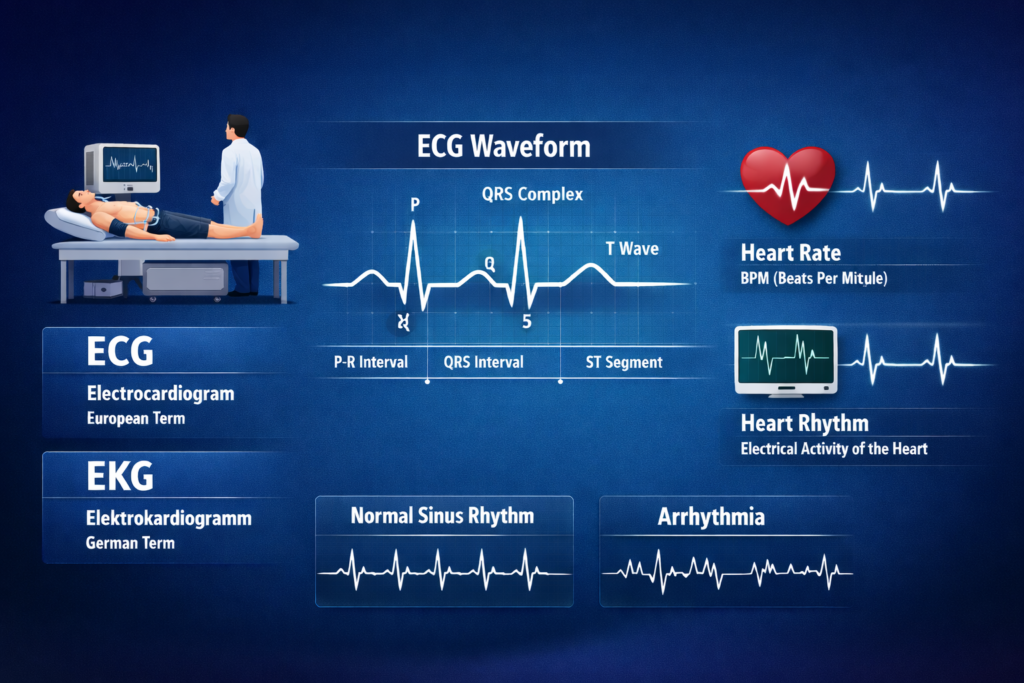
Many people wonder about the difference between ECG and EKG. The terms are used interchangeably and refer to the same test. ECG comes from the English spelling “electrocardiogram,” while EKG is derived from the German term “elektrokardiogramm”.
Whether labelled as ECG Monitors or EKG devices, the function remains the same: recording the heart’s electrical activity for analysis. Understanding this terminology helps users navigate product descriptions and medical information more confidently.
Portable and Wearable Monitoring Solutions
Portability has revolutionized heart monitoring. A portable EKG allows users to perform quick checks wherever they are, without bulky equipment or complex setup.
Wearable technology has taken this convenience even further. Many people now choose the best wearable ECG monitor options for continuous or on-demand monitoring throughout the day. These devices are especially useful for detecting irregular rhythms that occur sporadically.
Wearable heart monitoring solutions typically offer:
-
Lightweight and discreet designs
-
Seamless smartphone integration
-
Continuous or event-based recording
These innovations make it easier than ever to incorporate an EKG monitoring device into everyday life.
Digital and Mobile Advancements in EKG Monitoring
Technology has transformed heart monitoring into a fully digital experience. A digital EKG device converts heart signals into clear, easy-to-read data, reducing the complexity of interpretation.
Similarly, a mobile EKG device pairs with smartphones or tablets, allowing users to view results instantly and store historical data. This mobile access supports better communication with healthcare providers and encourages active engagement with heart health.
Digital platforms also enable trend analysis, helping users recognize patterns that may require medical attention.
FDA Approval and Device Reliability
Accuracy and safety are critical when choosing an EKG monitoring device. Devices labeled as an FDA approved EKG device meet strict regulatory standards for performance and reliability.
FDA clearance ensures that the device:
-
Produces accurate readings
-
Is safe for consumer use
-
Meets medical-grade quality requirements
For individuals managing diagnosed heart conditions or sharing data with clinicians, FDA approval adds an important layer of confidence.
Remote Monitoring and Telehealth Integration
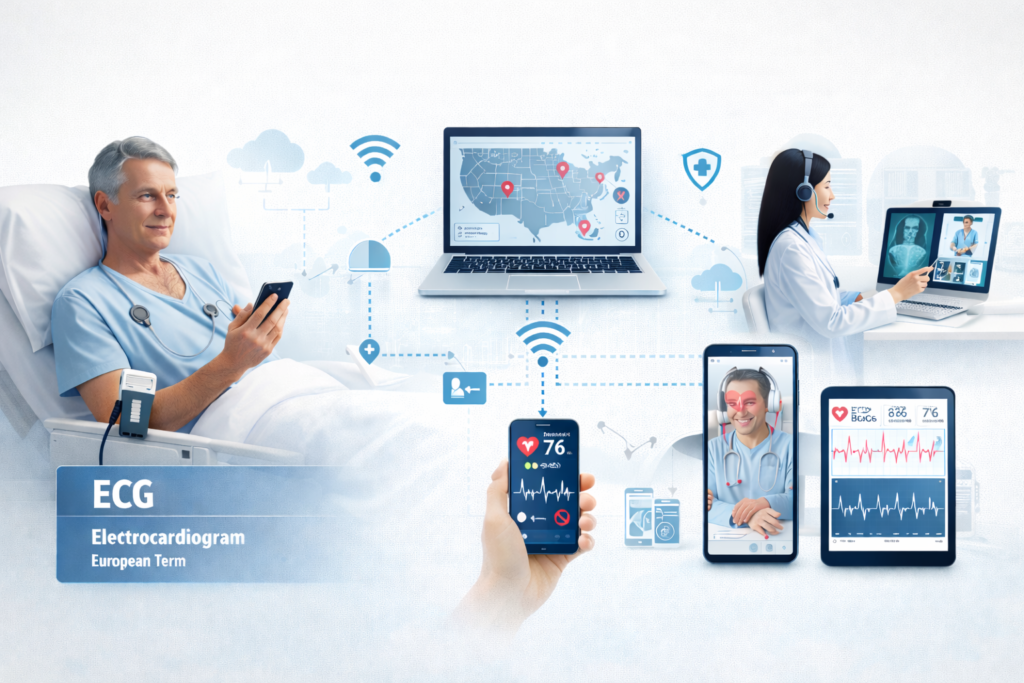
The rise of telehealth has expanded the role of heart monitoring beyond physical clinics. Remote EKG monitoring allows healthcare providers to review patient data without requiring in-person visits.
This capability is especially beneficial for patients who need ongoing observation. Many modern devices function as part of an ECG monitoring system, seamlessly integrating with digital healthcare platforms.
In clinical environments, this data may also connect to a broader cardiac monitoring system, supporting coordinated care and timely intervention.
Comparing Modern Devices to Traditional Holter Monitoring
For years, extended heart rhythm monitoring relied on the Holter cardiac monitor. While still widely used, traditional Holter monitors can be bulky and inconvenient.
Modern EKG monitoring devices offer a more comfortable alternative, often providing:
-
Longer monitoring periods
-
Greater freedom of movement
-
Easier data access
These advancements have made long-term heart monitoring more practical for everyday users.
Who Can Benefit from an EKG Monitoring Device?
An EKG monitoring device is not limited to individuals with diagnosed heart conditions. Many people use these devices as part of a proactive wellness strategy.
You may benefit if you:
-
Experience irregular heartbeat sensations
-
Have a family history of heart disease
-
Manage high stress or blood pressure
-
Want better insight into heart performance
Devices such as a heart monitoring device or heart rhythm monitor support early detection and informed decision-making.
Integration with Broader Cardiac Care
In professional healthcare settings, data from personal devices may complement information from a cardiac monitoring device used in hospitals or clinics.
When integrated properly, personal monitoring data helps clinicians build a more complete picture of a patient’s heart health. This continuity of information improves diagnosis accuracy and treatment planning.
Ease of Use and Daily Practicality
One reason EKG monitoring devices have become so popular is their user-friendly design. A modern heart monitor typically features guided instructions, automated analysis, and simple displays.
This ease of use encourages consistent monitoring, which is essential for identifying meaningful trends over time. The more comfortable users feel with their device, the more likely they are to use it regularly.
Accuracy, Privacy, and Data Security
Accuracy remains a top priority for users and clinicians alike. Devices marketed as an ECG EKG monitor often use advanced signal-processing technology to minimize interference and improve data clarity.
Equally important is data security. Most modern systems follow strict privacy standards to protect sensitive health information, especially when data is shared through cloud-based platforms.
Choosing the Right Monitoring Solution
Selecting the right EKG monitoring device depends on personal goals and medical needs. Some users prioritize portability, while others focus on continuous tracking or clinical integration.
Key factors to consider include:
-
FDA approval status
-
Ease of use
-
Data-sharing capabilities
-
Compatibility with healthcare providers
Understanding these features helps users make informed decisions without unnecessary complexity.
The Future of Heart Monitoring Technology
The future of heart monitoring lies in smarter analytics and deeper integration with overall health platforms. Artificial intelligence and predictive algorithms will likely enhance the ability of EKG monitoring devices to detect subtle changes early.
As technology advances, devices will become more accurate, more personalized, and even easier to use—making heart health monitoring an integral part of everyday wellness.
The Evolving Role of EKG Monitoring in Everyday Health
An EKG monitoring device represents a meaningful shift in how people manage and understand their heart health. By combining convenience, accuracy, and digital innovation, these tools empower individuals to take a more informed and proactive role in their well-being rather than relying solely on occasional clinical visits.
As healthcare continues to evolve, EKG devices are becoming an essential bridge between traditional medical care and everyday life. With greater accessibility and smarter technology, heart health monitoring is no longer limited to medical settings—making it easier than ever for individuals to stay connected to their cardiovascular health with confidence and clarity.
Frequently Asked Questions (FAQ)
What is an EKG monitoring device used for?
It records and analyzes the heart’s electrical activity to identify rhythm irregularities and monitor overall heart health.
Is home heart monitoring reliable?
Yes, when using an FDA-approved device and following instructions, home monitoring provides valuable insights into heart rhythm trends.
How often should heart rhythm be monitored?
This depends on individual health needs. Some users monitor occasionally, while others follow daily or weekly routines based on medical advice.
Can data from home devices be shared with doctors?
Most modern devices allow easy data sharing with healthcare professionals for review and guidance.
Are wearable heart monitors accurate?
Many wearable devices offer clinically useful accuracy, especially for detecting rhythm irregularities over time.