


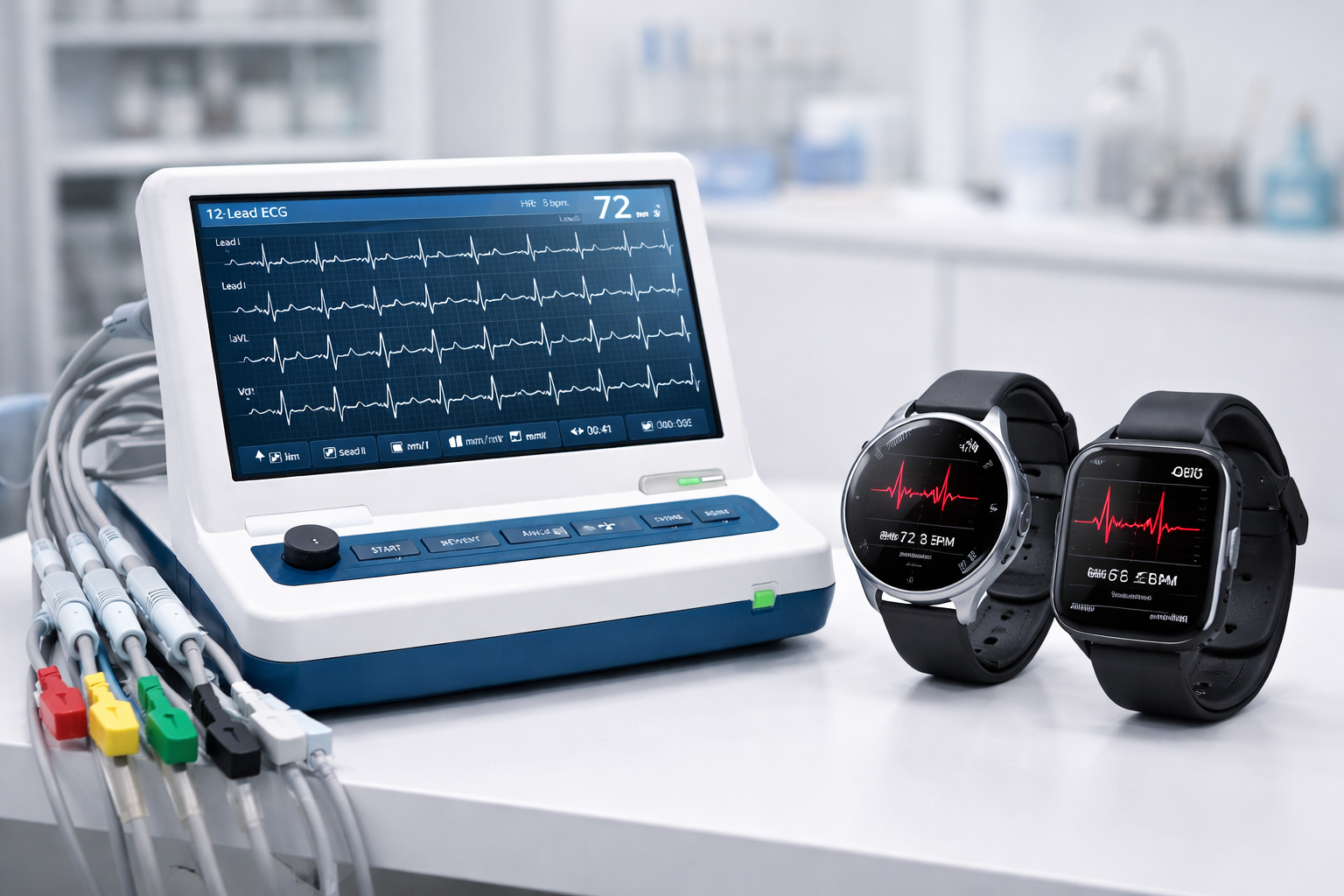
Heart health has become one of the most important priorities in modern healthcare, driven by lifestyle changes, an ageing population, and increased awareness of cardiovascular conditions. Technology has played a major role in making heart monitoring more accessible, accurate, and user-friendly than ever before. At the center of this evolution is the EKG monitor, a device that has transitioned from hospital-only equipment to something many people can now use in everyday life.
This article provides a comprehensive, easy-to-understand overview of how these devices work, who they are for, and why they are becoming essential tools in proactive health management. Whether you are a patient, caregiver, fitness enthusiast, or simply health-conscious, understanding this technology can help you make more informed decisions about your well-being.
Understanding What an EKG Monitor Does
An EKG monitor measures the electrical activity of the heart and translates it into a waveform that represents heartbeats over time. Each beat produces a small electrical signal, and when these signals are recorded, they reveal important information about heart rhythm, timing, and overall function.
Healthcare professionals rely on this data to detect irregularities such as abnormal rhythms, conduction issues, or signs of heart stress. Unlike simple pulse readings, this technology captures the deeper electrical behavior of the heart, providing insight that cannot be gained from basic heart rate measurements alone.
Today, these devices are no longer limited to hospitals or clinics. Advances in digital health have led to smaller, smarter, and more user-friendly solutions that bring advanced heart tracking into daily life.
The Evolution of Heart Monitoring Technology
Traditional ECG monitors were large machines designed exclusively for clinical environments. Over time, innovation has transformed them into compact, portable devices without compromising accuracy. This shift has helped bridge the gap between professional diagnostics and personal health awareness.
Modern ECG monitors now include features such as wireless data transfer, mobile app integration, and cloud-based storage. These improvements allow users and healthcare providers to review heart data remotely, making continuous monitoring more practical and less intrusive.
As heart disease remains a leading cause of health complications, early detection through consistent monitoring has become a powerful preventative strategy.
Why Home-Based Heart Monitoring Is Gaining Popularity
One of the biggest changes in cardiac care is the rise of personal monitoring solutions. An at-home EKG monitor allows individuals to check their heart activity in familiar, comfortable surroundings rather than relying solely on occasional clinic visits.
Home monitoring supports early identification of irregular patterns that may not appear during a short medical appointment. This is particularly valuable for people who experience intermittent symptoms such as palpitations, dizziness, or unexplained fatigue.
In addition, regular monitoring encourages individuals to take a more active role in managing their health, often leading to better lifestyle choices and improved long-term outcomes.
Portability and Convenience in Everyday Life
For people who travel frequently or maintain active lifestyles, portability is a key advantage. A portable EKG monitor provides flexibility by allowing heart data to be recorded anytime and anywhere, without bulky equipment or complex setup.
These compact devices fit easily into daily routines, whether used during exercise, work breaks, or travel. Their convenience does not reduce their usefulness; in fact, the ability to capture real-time data during normal activities can offer more accurate insights into how the heart behaves under different conditions.
Clinical-Grade Devices and Professional Applications
Despite the rise of personal solutions, clinical equipment remains essential in healthcare settings. An ECG machine monitor used in hospitals provides detailed, multi-lead recordings necessary for diagnosing complex cardiac conditions.
These professional systems are designed for high-volume use and advanced diagnostics, offering precision that supports treatment decisions, emergency care, and long-term patient management. The availability of personal devices does not replace clinical tools but rather complements them by providing additional data points outside the clinical environment.
Wireless and Smart Connectivity Features
Technology integration has significantly improved usability. A wireless ECG monitor eliminates the need for tangled wires and allows seamless data transmission to smartphones, tablets, or medical systems.
Smart connectivity ensures that readings can be shared instantly with healthcare providers, enabling faster feedback and better collaboration. For many users, the convenience of digital access encourages more consistent use and better adherence to monitoring routines.
Personalized Monitoring for Individual Needs
A personal EKG monitor is designed with everyday users in mind. These devices prioritize simplicity, clear instructions, and intuitive interfaces that do not require medical training.
Personalized tracking supports individuals with known heart conditions, those under medical observation, or anyone interested in proactive wellness. Over time, stored data can reveal patterns that help users understand how stress, exercise, sleep, and diet affect heart performance.
Power Efficiency and Reliability
A battery-powered EKG monitor adds another layer of convenience by offering reliable performance without constant charging or wired power sources. This feature is particularly valuable for extended use, travel, or emergency preparedness.
Efficient power management ensures uninterrupted monitoring while maintaining accuracy. Users can focus on their health rather than worrying about device availability or power limitations.
Monitoring Heart Rhythm and Function
A key role of any heart monitoring device is acting as a heart rhythm monitor. Tracking rhythm patterns helps identify irregularities that may signal underlying conditions requiring medical attention.
By capturing these changes early, individuals and healthcare providers can take proactive steps to manage risks, adjust treatments, or conduct further evaluations when necessary.
Combining Heart Rate and Electrical Data
Some advanced devices function as a heart rate monitor with EKG, offering a broader view of cardiovascular activity. This combination provides context by linking rhythm patterns with physical exertion, recovery time, and overall fitness.
This dual approach is especially helpful for athletes and active individuals who want deeper insights into how their heart responds to training and stress.
Seamless Data Transfer with Bluetooth Technology
A Bluetooth ECG monitor simplifies data sharing by syncing directly with mobile applications. This feature allows users to review recordings, track trends, and share results without manual downloads or cables.
Bluetooth connectivity enhances user engagement and supports long-term tracking, making heart monitoring more accessible and efficient.
Recording, Storing, and Reviewing Heart Data
An ECG recorder device is designed to capture and store readings over time, creating a detailed history of heart activity. This recorded data can be invaluable for identifying patterns that develop gradually rather than suddenly.
Consistent data collection supports informed medical discussions and helps track progress when lifestyle changes or treatments are introduced.
Supporting Ageing Populations and Caregivers
As the population ages, technology plays a growing role in elderly cardiac monitoring. Regular heart tracking helps caregivers and medical professionals detect early signs of potential issues while allowing seniors to maintain independence.
Easy-to-use devices reduce anxiety and empower older adults to stay engaged with their health, contributing to improved quality of life.
Understanding the Benefits of Heart Monitoring
The benefits of EKG monitoring extend beyond diagnosis. Regular tracking promotes awareness, early detection, and preventative care, which can significantly reduce long-term health risks.
By providing actionable insights, monitoring devices encourage healthier habits and more informed healthcare decisions, leading to better outcomes overall.
Clearing Up Common Confusions
Many people are unsure about the differences between EKG & heart rate monitors. While heart rate tools measure beats per minute, EKG technology captures the electrical signals that drive those beats.
Understanding this distinction helps users choose the right tool for their needs and sets realistic expectations about what each device can reveal.
Choosing the Right Device for Your Lifestyle
Selecting an EKG monitor involves considering factors such as ease of use, accuracy, data storage, and compatibility with other devices. Personal needs, medical guidance, and daily routines should all influence the decision.
A well-chosen device becomes a long-term partner in health management rather than just a piece of equipment.
The Role of Preventative Heart Care
Preventative care is increasingly recognized as the most effective approach to long-term health. An EKG monitor supports this philosophy by enabling early detection and ongoing awareness.
Rather than reacting to symptoms, individuals can monitor trends and take action before problems escalate, reducing both health risks and medical costs.
Integrating Monitoring Into Daily Life
Consistency is key to meaningful insights. Using an EKG monitor regularly, even when feeling well, builds a baseline that makes changes easier to detect.
By integrating monitoring into daily routines, users gain a clearer understanding of their heart health over time.
Looking Ahead: The Future of Heart Monitoring
Innovation continues to refine how heart data is collected, analyzed, and shared. The next generation of the EKG monitor is expected to offer improved accuracy, smarter analytics, and deeper integration with digital healthcare systems.
As technology evolves, heart monitoring will become even more personalized, predictive, and accessible to people of all ages.
Final Thoughts
An EKG monitor is more than a medical device—it is a powerful tool for awareness, prevention, and long-term wellness. As heart health remains a global concern, accessible monitoring solutions are changing how individuals and healthcare providers approach care.
By understanding how these devices work and how they fit into everyday life, users can take meaningful steps toward protecting one of their most vital organs—the heart.