


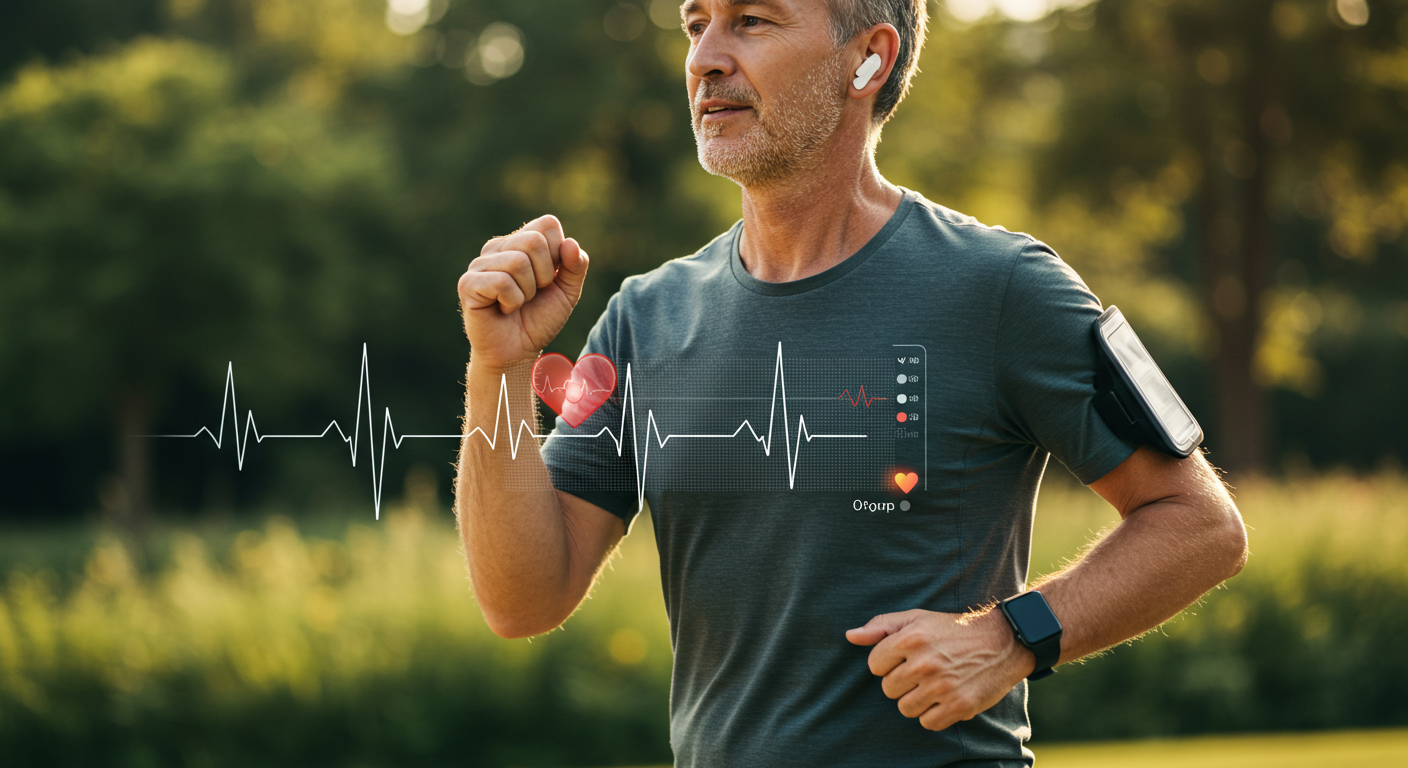
Sarah felt her heart skip a beat during her morning coffee routine. The sensation lasted only seconds, but it left her wondering: was this something serious? With modern heart monitors for home use, people like Sarah can now get immediate answers instead of waiting weeks for cardiology appointments.
The question isn’t whether technology can detect cardiac problems at home; it absolutely can. The real question is how effectively these devices identify serious conditions before they become life-threatening emergencies.
The Science Behind Early Detection
Heart monitors for home use leverage the same fundamental technology that hospitals have trusted for decades. These devices measure electrical impulses generated by your heart muscle, creating detailed pictures of cardiac function in real time.
Early detection works because most serious cardiac conditions develop gradually, creating subtle changes in heart rhythm patterns long before symptoms appear. A Holter monitor device can capture these early warning signs that might go unnoticed during brief doctor visits.
The human heart generates approximately 35 million electrical impulses annually. Heart devices for home use analyze these signals continuously, building comprehensive profiles of your cardiac health that reveal patterns invisible to periodic medical checkups.
Modern algorithms can detect irregularities within milliseconds, alerting users to potentially dangerous rhythm changes before they cause symptoms or complications.
Serious Conditions That Home Monitors Can Detect
Atrial fibrillation represents one of the most successfully detected conditions using heart monitors for home use. This irregular rhythm increases stroke risk by 500%, yet many people experience no symptoms until complications develop.
Heart block conditions appear clearly on home monitoring devices. These electrical conduction problems can progress from mild delays to complete heart stoppage, making early detection literally life-saving.
- Ventricular Arrhythmias: Dangerous rhythms originating in heart ventricles
- Bradycardia: Abnormally slow heart rates that reduce blood flow
- Tachycardia: Rapid rhythms that prevent proper heart filling
- Premature Contractions: Extra beats that may indicate underlying problems
The best home EKG devices excel at identifying ischemic changes that suggest reduced blood flow to heart muscle. These changes often precede heart attacks by hours or days, providing crucial early warning opportunities.
Heart machines for home use also detect medication side effects that affect cardiac function, helping doctors adjust treatments before dangerous complications develop.
Real-World Success Stories in Early Detection
Michael’s home monitor detected intermittent atrial fibrillation three months before his scheduled cardiology appointment. Early intervention with blood thinners prevented a stroke that his cardiologist confirmed would have been “highly likely” without monitoring.
Heart monitors for home use identified Jennifer’s heart block progression during a routine week of monitoring. Emergency pacemaker implantation saved her life when complete heart block developed just days after the initial detection.
The emotional impact extends beyond medical benefits. Patients report feeling empowered and less anxious about cardiac symptoms when they have reliable monitoring capabilities at home.
A portable EKG heart monitor helped Robert’s family identify his heart attack symptoms 45 minutes before he would have recognized them himself. Paramedics credited the early detection with preserving heart muscle that would have been permanently damaged.
Understanding Device Capabilities and Limitations
Heart monitors for home use excel at rhythm analysis but have limitations in detecting certain cardiac conditions. They cannot measure blood pressure, assess heart valve function, or evaluate heart muscle strength directly.
Accuracy depends heavily on proper usage and device quality. Consumer-grade devices may miss subtle abnormalities that medical-grade equipment would detect immediately.
The personal EKG monitors category includes devices with varying sensitivity levels. Single-lead monitors work well for basic rhythm assessment, while multi-lead systems provide comprehensive cardiac evaluation.
Heart rate monitoring devices for home use require user education to interpret results correctly. Misunderstanding normal variations can create unnecessary anxiety, while dismissing significant abnormalities can delay critical treatment.
Comparing Different Types of Home Heart Monitors
Continuous monitoring devices provide the most comprehensive detection capabilities. These heart monitors for home use record every heartbeat for weeks, capturing intermittent problems that episodic monitoring might miss.
- Smartwatch-integrated monitors offer convenience but limited diagnostic capability. They work excellently for fitness tracking and basic rhythm screening but may miss serious arrhythmias that dedicated cardiac monitors would detect.
- Heart monitors at home include patch-style devices that adhere to your chest for extended wear. These provide hospital-quality monitoring while maintaining normal daily activities and sleep patterns.
- Handheld devices require active use during symptoms, making them less effective for detecting asymptomatic conditions but excellent for documenting concerning episodes when they occur.
The Role of AI and Machine Learning
Modern heart monitors for home use incorporate artificial intelligence that continuously learns from millions of cardiac recordings. The systems identify patterns that human analysis might miss, improving detection accuracy over time.
Machine learning algorithms can predict cardiac events hours before they occur by recognizing subtle pattern changes in heart rhythm variability. This predictive capability represents a revolutionary advancement in preventive cardiac care.
The best EKG monitor for home use systems combines multiple AI approaches, analyzing rhythm patterns, beat morphology, and heart rate variability simultaneously for comprehensive cardiac assessment.
Heart machines for home use equipped with AI can differentiate between benign rhythm variations and concerning abnormalities, reducing false alarms while maintaining high sensitivity for dangerous conditions.
Integration with Healthcare Systems
Successful early detection requires seamless communication between heart monitors for home use and healthcare providers. Cloud-based platforms enable real-time monitoring by medical professionals, transforming home devices into extensions of clinical care.
Many cardiology practices now integrate home monitoring data directly into electronic health records, creating comprehensive cardiac profiles that improve treatment decision-making.
The heart monitor price often includes ongoing monitoring services where healthcare professionals review your data continuously, providing professional interpretation of concerning findings.
Personal heart monitors can trigger automatic alerts to emergency services when life-threatening rhythms are detected, providing critical time savings during cardiac emergencies.
Addressing Common Concerns and Misconceptions
Many people worry that heart monitors for home use create unnecessary anxiety by detecting normal rhythm variations. Quality devices include algorithms that distinguish between normal and abnormal findings, reducing false alarms.
- Cost concerns often prevent people from investing in home monitoring technology. However, the price of preventing one cardiac emergency far exceeds the cost of monitoring equipment and ongoing services.
- Some individuals fear that home monitoring might replace regular medical care. In reality, heart devices for home use enhance medical care by providing doctors with comprehensive data between visits.
- Privacy concerns about health data sharing are valid but manageable through proper device selection and understanding of data security measures implemented by reputable manufacturers.
Maximizing Early Detection Benefits
Consistent use maximizes the detection capabilities of heart monitors for home use. Sporadic monitoring may miss intermittent conditions that regular use would identify quickly.
Symptom correlation improves diagnostic value significantly. Recording activities, medications, and symptoms alongside cardiac data helps healthcare providers identify triggers and patterns.
- Daily Readings: Establish baseline patterns for comparison
- Symptom Logs: Document correlations between feelings and findings
- Medication Tracking: Monitor cardiac effects of new prescriptions
- Activity Records: Identify exercise-induced rhythm changes
Regular data review with healthcare providers ensures that concerning findings receive appropriate follow-up and treatment adjustments.
The Future of Home Cardiac Monitoring
Heart monitors for home use continue advancing rapidly, with new capabilities appearing regularly. Upcoming developments include continuous blood pressure monitoring, heart muscle strain assessment, and predictive analytics for cardiac events.
- Integration with smart home technology will enable automatic emergency response when dangerous rhythms are detected, potentially saving lives during home cardiac emergencies.
- The democratization of cardiac monitoring technology means that high-quality heart machines for home use will become increasingly affordable and accessible to broader populations.
- Telemedicine integration will enable real-time consultation with cardiologists based on home monitoring data, reducing the need for emergency room visits and hospitalizations.
Making the Investment Decision
Heart monitors for home use represent significant investments in personal health that require careful consideration of individual risk factors and medical needs.
Patients with family histories of cardiac disease, existing heart conditions, or concerning symptoms benefit most from continuous home monitoring capabilities.
The peace of mind provided by reliable home monitoring often justifies the investment, particularly for individuals with high anxiety about cardiac symptoms or those living alone.
Consider the total cost of ownership, including device purchase, ongoing monitoring services, and potential healthcare savings from early detection and prevention.
Frequently Asked Questions
Q1: How quickly can home heart monitors detect serious conditions?
A: Modern heart monitors for home use can detect dangerous rhythms within seconds and alert users immediately to seek emergency medical attention.
Q2: Are home monitors as accurate as hospital equipment?
A: FDA-approved heart monitors for home use provide clinical-grade accuracy for rhythm analysis, though hospital equipment offers additional diagnostic capabilities.
Q3: Can home monitoring prevent heart attacks?
A: While heart monitors for home use cannot prevent heart attacks directly, they can detect early warning signs that enable preventive treatment.
Q4: How much do quality home heart monitors cost?
A: Professional-grade heart machines for home use range from $200 to $800, with ongoing monitoring services typically costing $30-100 monthly.
Heart monitors for home use have revolutionized early detection of serious cardiac conditions, providing life-saving capabilities that were unimaginable just decades ago. The technology empowers individuals to take active roles in their cardiac health while maintaining close connections with healthcare providers.
Early detection saves lives, prevents complications, and improves quality of life for millions of people living with or at risk for cardiac conditions. The investment in reliable home monitoring technology pays dividends in health outcomes and peace of mind.
The question isn’t whether you can afford to invest in heart monitors for home use; it’s whether you can afford not to have this life-saving technology protecting your cardiac health every day.
Don’t wait for symptoms to appear! Start protecting your heart today with our advanced home monitoring solutions. Browse our selection of FDA-approved heart monitors and take the first step toward early detection and better cardiac health with healthtechinfo.com
Also Read our Holter machine VS Modern heart tech .