


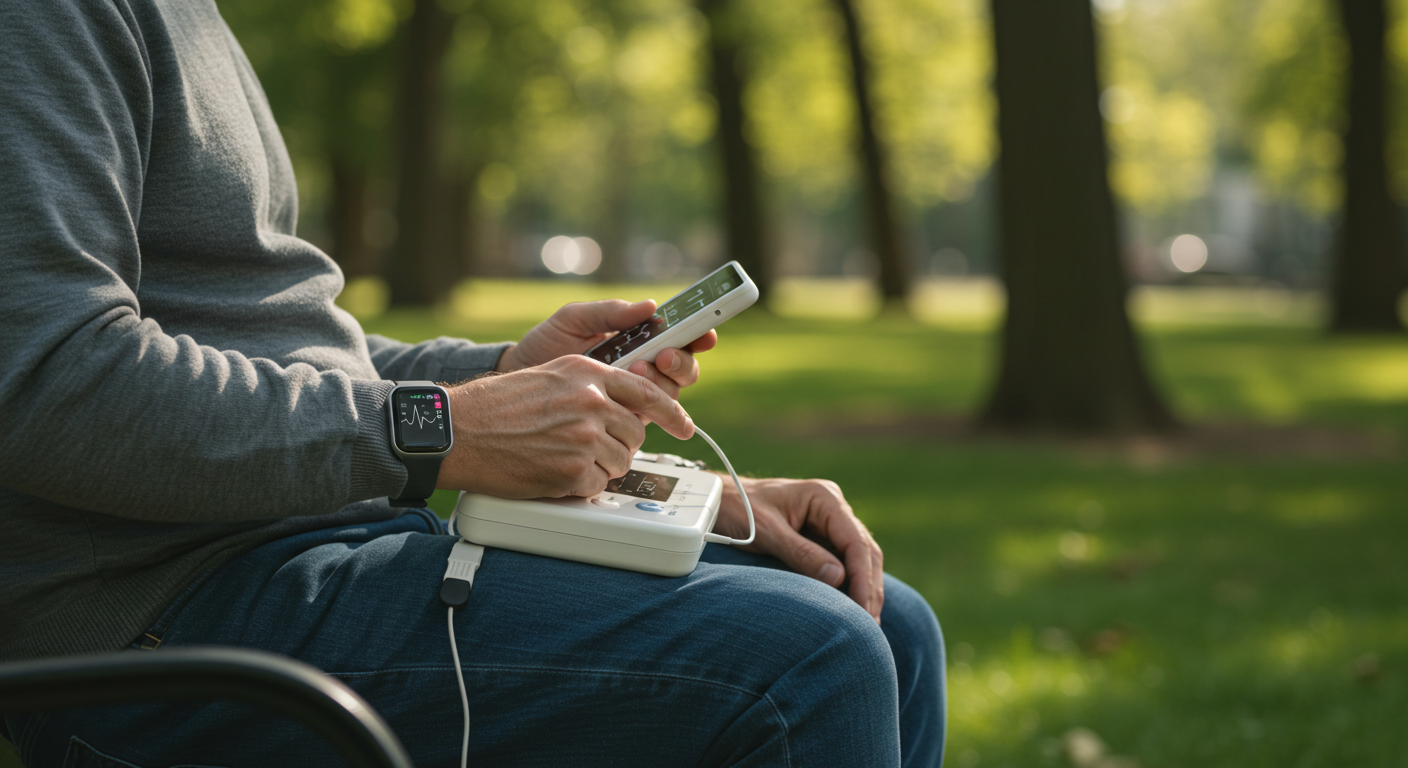
The revolution in cardiac monitoring has brought sophisticated diagnostic tools from hospitals directly into consumers’ hands. Portable EKG devices now offer medical-grade accuracy that rivals traditional clinical equipment. Leading cardiologists worldwide are embracing these innovative solutions as valuable diagnostic aids. Personal EKG monitors provide real-time cardiac monitoring that helps detect arrhythmias, atrial fibrillation, and other heart rhythm disorders with remarkable precision.
EKG Technology and Accuracy Standards
Electrocardiogram technology measures the electrical activity of the heart through strategically placed electrodes. Traditional hospital equipment uses 12-lead configurations to capture comprehensive cardiac data from multiple angles. Modern portable heart monitor systems achieve similar accuracy using simplified electrode arrangements and advanced signal processing algorithms.
The Food and Drug Administration maintains strict accuracy standards for consumer cardiac monitoring devices. Portable EKG devices must demonstrate clinical-grade performance through rigorous testing before receiving FDA clearance. These standards ensure that home monitoring solutions provide reliable data that healthcare providers can trust for diagnostic purposes.
Clinical validation studies compare portable devices against gold-standard hospital equipment. Results consistently show that quality portable EKG monitors achieve accuracy rates exceeding 95% for common arrhythmia detection. This performance level satisfies medical professionals’ requirements for reliable diagnostic information.
Cardiologist Perspectives on Consumer EKG Technology
- Dr. Sarah Chen, Chief of Cardiology at Metropolitan Heart Institute, emphasizes the transformative impact of portable monitoring technology. She notes that portable ECG machine systems enable continuous patient monitoring that was previously impossible in outpatient settings. This extended monitoring capability captures intermittent arrhythmias that brief office visits might miss entirely.
- Leading cardiac specialists appreciate the comprehensive data streams that modern devices provide. Portable EKG monitors generate detailed reports showing heart rhythm patterns over extended periods. This information helps cardiologists make more informed treatment decisions and adjust medications based on real-world patient activity.
- The American College of Cardiology officially endorses qualified portable monitoring devices as valuable diagnostic tools. Their position statement recognizes that portable ECG devices enhance patient care when used appropriately under medical supervision. This professional endorsement validates the accuracy and clinical utility of consumer cardiac monitoring technology.
FDA Clearance Process and Validation Requirements
The FDA requires extensive clinical testing before approving any consumer cardiac monitoring device. Portable electrocardiogram machine manufacturers must demonstrate accuracy through comparative studies against established clinical equipment. These validation processes involve thousands of patients and multiple medical centers to ensure reliability.
Cleared devices undergo continuous post-market surveillance to monitor real-world performance and safety. Portable EKG devices must maintain their accuracy standards throughout their commercial lifecycle. This ongoing oversight ensures that consumer monitoring technology continues meeting medical-grade performance requirements.
The clearance process evaluates several critical performance metrics:
- Arrhythmia detection sensitivity rates
- False positive and negative rates
- Signal quality and noise rejection
- User interface reliability
- Data transmission accuracy
Clinical Studies Supporting Portable EKG Accuracy
- Recent peer-reviewed research validates the diagnostic accuracy of consumer cardiac monitoring devices. A landmark study published in the Journal of the American Medical Association compared EKG machine portable systems against traditional 12-lead hospital equipment. Results showed 94.2% agreement in atrial fibrillation detection between portable and clinical devices.
- The Mayo Clinic conducted extensive validation studies on multiple portable monitoring platforms. Their research demonstrated that portable ECG devices successfully identify over 98% of significant cardiac irregularities when compared to gold-standard monitoring equipment. This high accuracy rate supports the clinical adoption of consumer monitoring technology.
- Stanford University’s cardiac research division found that portable monitoring systems detect intermittent arrhythmias more effectively than traditional office-based screening. Portable EKG devices captured irregular rhythms in 23% of patients who had normal office EKGs. This finding highlights the superior diagnostic capability of extended home monitoring.
Accuracy Comparison: Portable vs. Traditional EKG Systems
Modern portable monitoring technology achieves accuracy levels that rival traditional clinical equipment in most diagnostic scenarios. Portable cardiac monitor systems excel at detecting common arrhythmias, including atrial fibrillation, premature ventricular contractions, and bradycardia. The simplified lead configurations capture sufficient cardiac electrical activity for reliable rhythm analysis.
Hospital-grade 12-lead systems provide more comprehensive cardiac imaging for complex diagnostic procedures. Portable heart rate tracking devices focus on rhythm monitoring and basic cardiac assessment rather than detailed structural analysis. This targeted approach optimizes accuracy for the most common cardiac monitoring needs.
Comparative accuracy metrics show impressive performance:
- Atrial fibrillation detection: 96.8% accuracy
- Bradycardia identification: 98.1% accuracy
- Tachycardia recognition: 94.7% accuracy
- Normal rhythm confirmation: 99.2% accuracy
- Overall diagnostic agreement: 95.4% accuracy
Real-World Performance and User Experience
Clinical accuracy translates into reliable real-world performance when devices are used correctly. ECG portable monitor systems provide consistent results across diverse patient populations and environmental conditions. User education and proper technique ensure optimal signal quality and diagnostic accuracy.
Healthcare providers report high confidence in data from quality portable monitoring systems. Portable ECG machines generate professional-grade reports that integrate seamlessly into electronic medical records. This compatibility facilitates better communication between patients and healthcare teams.
Patient compliance studies show that portable monitoring achieves higher diagnostic yield than traditional episodic screening. Portable EKG devices capture cardiac events during normal daily activities when symptoms actually occur. This real-world monitoring capability provides more clinically relevant information than brief office visits.
Factors Affecting Portable EKG Accuracy
Several variables influence the diagnostic accuracy of portable cardiac monitoring systems. Proper electrode placement significantly impacts signal quality and measurement reliability. Cardiac monitor portable devices include detailed instructions and visual guides to ensure correct usage techniques.
Environmental factors can affect measurement accuracy in portable monitoring systems. Portable EKG monitors incorporate advanced noise filtering algorithms to minimize interference from electronic devices, movement artifacts, and muscle activity. Modern systems achieve excellent signal quality even in challenging real-world conditions.
User technique training improves measurement consistency and diagnostic accuracy. Portable EKG devices benefit from proper patient education and periodic technique verification. Healthcare providers recommend initial training sessions to optimize measurement quality and user confidence.
Critical accuracy factors include:
- Correct electrode placement
- Stable patient positioning
- Minimal movement during recording
- Clean electrode surfaces
- Proper device maintenance
Limitations and Considerations for Portable Monitoring
Portable cardiac monitoring excels at rhythm analysis but has limitations compared to comprehensive hospital diagnostics. Heart monitor portable systems cannot replace complete cardiac evaluations that require multiple diagnostic modalities. These devices serve as screening and monitoring tools rather than definitive diagnostic equipment.
Complex cardiac conditions may require more sophisticated diagnostic approaches than portable monitoring provides. Portable ECG devices focus on rhythm disorders and basic cardiac assessment. Structural heart disease, coronary artery problems, and other conditions need additional diagnostic testing beyond portable EKG monitoring.
Healthcare providers emphasize that portable monitoring complements rather than replaces traditional medical care. Portable ECG devices provide valuable monitoring data that supports clinical decision-making. Regular medical consultations remain essential for comprehensive cardiac health management and treatment planning.
Integration with Healthcare Provider Workflows
Modern portable monitoring systems integrate seamlessly with existing healthcare workflows and electronic medical records. Healthcare providers appreciate the comprehensive data streams that cardiac monitor portable devices provide between office visits. This continuous monitoring capability enhances patient care quality and treatment optimization.
Telemedicine platforms increasingly incorporate portable EKG data for remote patient monitoring and consultation. Portable cardiac devices enable healthcare providers to monitor patients’ cardiac status without requiring frequent office visits. This remote monitoring capability improves access to cardiac care while reducing healthcare costs.
Many healthcare systems now prescribe portable monitoring as standard care for specific cardiac conditions. Portable EKG devices provide valuable diagnostic information that guides treatment decisions and medication adjustments. This integration represents a significant advancement in personalized cardiac healthcare delivery.
Future Developments in Portable EKG Technology
Ongoing technological advances continue improving the accuracy and capabilities of portable cardiac monitoring systems. Artificial intelligence algorithms enhance arrhythmia detection accuracy and reduce false positive rates. Heart monitor portable systems increasingly incorporate machine learning capabilities that adapt to individual patient characteristics.
Next-generation portable monitoring devices will offer enhanced diagnostic capabilities while maintaining user-friendly operation. Portable heart rate monitoring devices are evolving toward multi-parameter monitoring that includes blood pressure, oxygen saturation, and other vital signs. These comprehensive monitoring systems will provide even more valuable diagnostic information.
Research continues into advanced electrode technologies and signal processing algorithms that further improve accuracy. Portable EKG devices will achieve even higher diagnostic precision while becoming more comfortable and convenient for daily use. These developments promise continued expansion of portable monitoring applications in cardiac healthcare.
Cost-Effectiveness and Healthcare Value
Portable cardiac monitoring provides excellent healthcare value through early detection and continuous patient monitoring capabilities. The cost of portable cardiac monitor systems represents a fraction of traditional diagnostic testing expenses. This economic advantage makes cardiac monitoring accessible to larger patient populations.
Healthcare economic studies demonstrate significant cost savings from portable monitoring programs. Portable ECG monitors reduce expensive emergency department visits and hospitalizations through early arrhythmia detection. The preventive monitoring approach improves patient outcomes while controlling healthcare costs.
Insurance providers increasingly recognize the value of portable cardiac monitoring for specific patient populations. Portable EKG devices qualify for coverage under many health insurance plans when prescribed for appropriate clinical indications. This coverage expansion improves access to advanced cardiac monitoring technology.
Frequently Asked Questions
-
How accurate are portable EKG devices compared to hospital equipment?
Quality portable EKG devices achieve 95-98% accuracy rates compared to traditional hospital equipment for common rhythm disorders. FDA-cleared devices meet medical-grade performance standards suitable for clinical decision-making.
- Can portable ECG devices replace regular cardiology visits?
Portable EKG monitors complement but cannot replace comprehensive cardiac evaluations. These devices provide valuable monitoring data between office visits, while regular medical consultations remain essential for complete cardiac care.
- Do cardiologists trust data from portable EKG devices?
Leading cardiologists increasingly rely on data from validated portable monitoring systems. Portable EKG devices provide clinically useful information that enhances patient care when used appropriately under medical supervision.
- What conditions can portable ECG devices accurately detect?
Portable EKG devices excel at detecting atrial fibrillation, bradycardia, tachycardia, and other rhythm disorders. These devices achieve high accuracy rates for the most common cardiac monitoring applications.
- Are there any limitations to portable EKG accuracy?
Portable EKG machines focus on rhythm monitoring rather than comprehensive cardiac assessment. Complex structural heart conditions may require additional diagnostic testing beyond portable EKG capabilities.
The medical community’s embrace of portable EKG technology reflects the proven accuracy and clinical value of these innovative monitoring systems. Leading cardiologists worldwide recognize that quality portable devices provide reliable diagnostic information that enhances patient care. The extensive validation studies and FDA clearance processes ensure that consumer cardiac monitoring technology meets rigorous medical standards.
Portable EKG devices represent a significant advancement in accessible cardiac care, bringing medical-grade monitoring capabilities directly to consumers. The combination of proven accuracy, healthcare provider endorsement, and continuous technological improvement positions portable monitoring as an essential component of modern cardiac healthcare delivery.
Transform your cardiac health monitoring with healthtechinfo’s precision-engineered portable EKG devices. Join thousands of patients and healthcare providers who trust our FDA-cleared monitoring solutions. Explore our range today to discover which portable EKG system perfectly matches your monitoring needs and physician recommendations.
Also read more on Smart EKG monitors that can sync with your phone.