

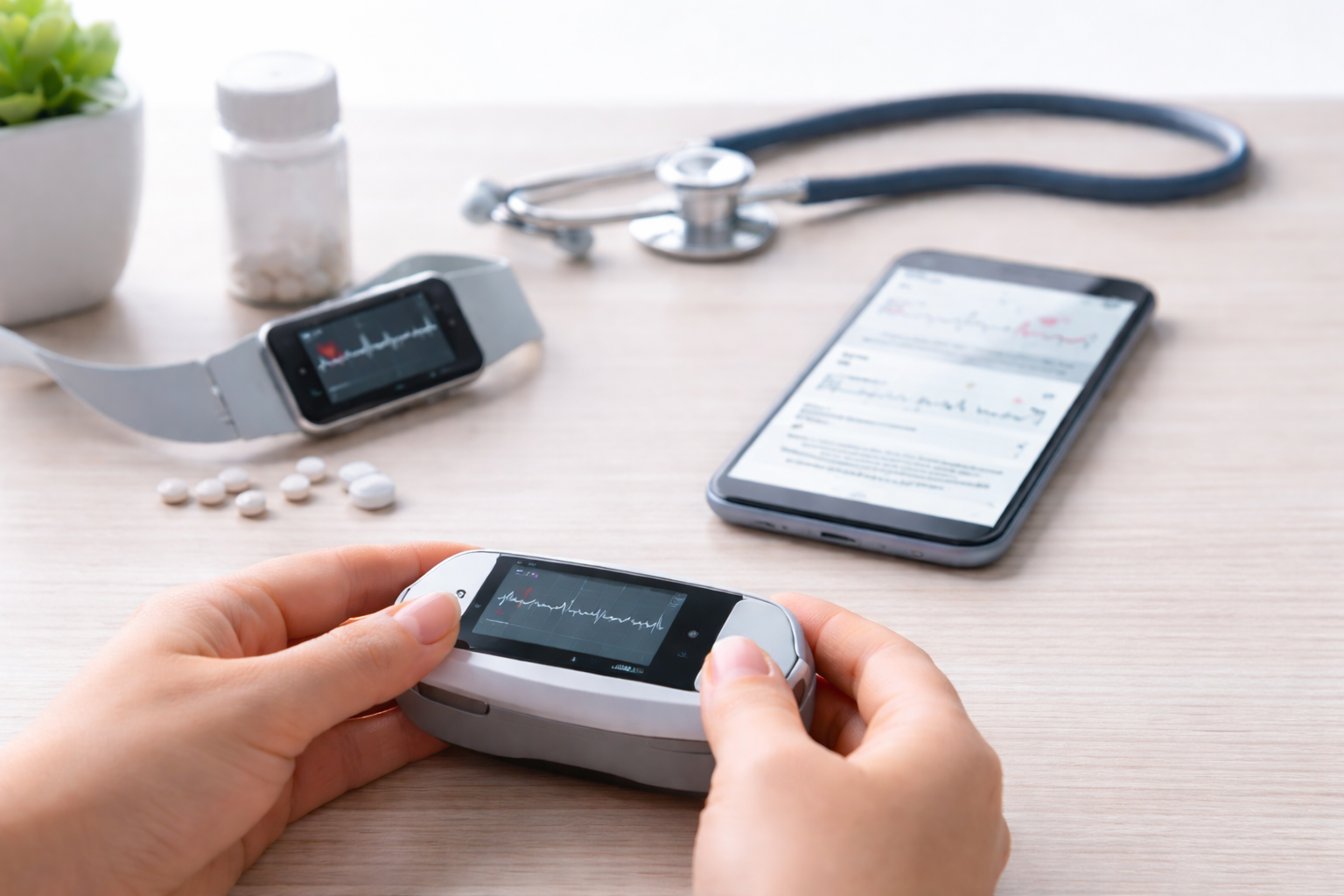
Heart health has become a major focus in modern wellness, not just for people diagnosed with heart conditions, but for anyone who wants to take a proactive approach to their overall health. With changing lifestyles, increased stress, and a growing emphasis on preventive care, more individuals are exploring ways to monitor their heart outside of traditional medical settings. One technology that has gained significant attention in recent years is the home ecg monitor.
Previously, electrocardiogram testing was something most people only encountered in hospitals or diagnostic labs. Today, advances in health technology have made ECG monitoring accessible, compact, and simple enough to use at home. These devices allow individuals to keep track of their heart rhythm, recognize potential irregularities early, and share meaningful data with healthcare providers when needed.
This in-depth guide explains everything you need to know about home ECG monitoring—what it is, how it works, who it’s for, and how it fits into the evolving healthcare landscape. Whether you’re focused on prevention or managing an existing condition, understanding this technology can help you make smarter, more informed decisions about your heart health.
What Is a Home ECG Monitor?
A home ECG monitor is a personal health device designed to record the electrical activity of the heart outside of a clinical environment. ECG stands for electrocardiogram, a test that captures how electrical signals travel through the heart muscle and trigger each heartbeat.
In medical settings, ECG tests help doctors identify rhythm abnormalities, conduction issues, and other cardiac concerns. Home-based ECG devices are simplified versions of this technology, designed to be user-friendly while still providing meaningful insights.
Most modern devices deliver results within seconds and often connect to smartphones or tablets. This allows users to store readings, track patterns over time, and share reports with healthcare professionals for review. While these devices do not replace professional medical testing, they play an important role in awareness, monitoring, and early detection.
Why At-Home ECG Monitoring Is Becoming More Popular
The healthcare industry is undergoing a major shift toward digital solutions and patient-centered care. People are no longer passive recipients of health information—they want tools that help them stay informed and involved. Home ECG monitoring aligns perfectly with this trend.
Everyday Convenience
One of the biggest advantages of using an ECG monitor at home is convenience. There is no need to wait for appointments or travel to a clinic for routine checks. Readings can be taken anytime symptoms occur or as part of a regular health routine.
Improved Detection of Irregular Heart Rhythms
Many heart rhythm irregularities occur sporadically. A brief ECG performed during a doctor’s visit may not capture these episodes. Regular home monitoring increases the likelihood of identifying abnormal patterns when they actually happen.
Continuous Support Between Appointments
For people already under cardiac care, home monitoring helps fill the gaps between medical visits. Doctors can review real-world data instead of relying solely on patient descriptions of symptoms.
Increased Confidence and Peace of Mind
For many users, simply having access to heart rhythm information reduces anxiety. Being able to check your heart when something feels “off” provides reassurance and clarity.
Who Should Consider Using a Home ECG Monitor?
Home ECG technology is suitable for a wide range of individuals, not just those with known heart conditions. It can be especially useful for:
-
People with a history of heart rhythm irregularities
-
Individuals experiencing palpitations, lightheadedness, or unexplained fatigue
-
Older adults focused on preventive heart care
-
Athletes monitoring how their heart responds to physical activity
-
Individuals managing chronic conditions such as high blood pressure or diabetes
Some users rely on a home ECG monitor for arrhythmia, as irregular rhythms can be unpredictable and may not appear during routine checkups.
How a Home ECG Monitor Works
Every heartbeat is controlled by electrical signals that travel through the heart in a specific pattern. ECG monitors detect these signals and convert them into readable data.
Depending on the device, monitoring may involve:
-
Placing fingers on built-in sensors
-
Wearing a chest strap or adhesive patch
-
Activating ECG functionality through a smartwatch
Once a reading is taken, the data is either displayed on the device or sent to a mobile application. Many systems work with an ECG tracking app, allowing users to view historical trends, compare readings, and export reports for medical consultations.
The process is designed to be quick, repeatable, and easy to perform without technical or medical training.
Types of ECG Monitors for Home Use
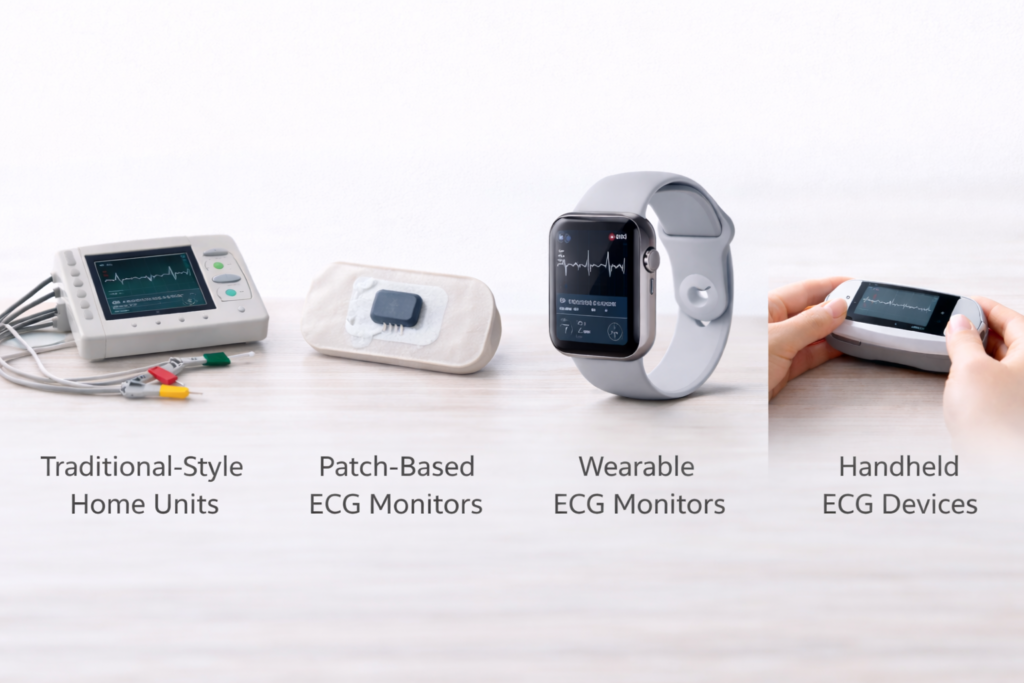
There are several types of ECG monitors available for personal use, each designed for different needs and lifestyles.
Handheld ECG Devices
These compact devices are ideal for quick checks when symptoms appear. They are easy to carry and are often chosen as a portable ECG monitor.
Wearable ECG Monitors
Wearable devices, including smartwatches, allow users to take ECG readings on demand throughout the day. They are particularly useful for people who prefer discreet, continuous monitoring.
Patch-Based ECG Monitors
Adhesive patches are worn for longer periods and are useful for capturing intermittent symptoms over days or weeks.
Traditional-Style Home Units
Some users prefer an ECG monitor for home use that resembles clinical equipment, offering a more familiar experience with simplified controls.
Choosing the right format depends on how often monitoring is needed, comfort preferences, and lifestyle considerations.
Key Features to Look for in a Home ECG Monitor
Not all home ECG devices are the same. Evaluating features carefully helps ensure you choose a device that fits your needs.
Accuracy and Trustworthiness
Look for devices that meet regulatory standards and are known for consistent performance.
Ease of Use
A simple interface, clear instructions, and minimal setup encourage regular use.
Data Management
The ability to store multiple readings and share them with healthcare providers adds long-term value.
App Integration
A reliable app enhances usability and helps users understand patterns over time.
Cost and Value
Many people look for an affordable ECG monitoring device for home for personal use that balances price with dependable functionality.
The Role of Home ECG Monitoring in Remote Healthcare
Telehealth has reshaped how patients interact with healthcare providers, and home ECG monitoring plays a key role in this transformation.
Through remote heart monitoring, clinicians can review patient data without requiring frequent in-person visits. This allows for faster responses to irregular readings, better treatment adjustments, and reduced strain on healthcare systems.
Patients benefit from improved continuity of care and greater involvement in managing their own health.
Understanding and Using ECG Readings Responsibly
Home ECG devices typically provide simplified interpretations such as “normal rhythm” or “possible irregularity.” While helpful, these summaries should never be used for self-diagnosis.
If a device flags repeated or concerning patterns, the data should be shared with a healthcare professional. A home heart monitor ECG works best as a communication tool that supports informed medical decisions.
Preventive Care and Long-Term Heart Health Monitoring
Preventive healthcare focuses on identifying risks early and reducing the likelihood of serious complications. Regular ECG monitoring supports this approach by highlighting subtle changes over time.
When combined with a heart health monitoring device or a broader cardiac monitoring device ecosystem, ECG data provides valuable insight into how daily habits affect heart rhythm. Factors such as sleep quality, stress levels, exercise, and diet can all influence heart health.
Home ECG Monitoring in the United States
The demand for personal cardiac monitoring has increased significantly, particularly with the growth of telehealth services. Many consumers now search for an at-home ECG monitor USA option that meets regulatory requirements and integrates with local healthcare systems.
As availability expands, personal ECG monitor solutions are becoming more accessible to everyday users across the country.
Where Personal ECG Technology Is Heading
Advancements in digital health continue to improve home ECG devices. Future developments may include more advanced analytics, longer monitoring capabilities, and deeper integration with digital health records.
What remains consistent is the growing importance of personal monitoring tools in helping individuals take an active role in managing their heart health.
For more expert insights into health technology, digital care, and medical devices, visit HealthTechInfo and stay informed.
Frequently Asked Questions (FAQs)
1. Are home ECG monitors accurate?
Many modern home ECG monitors provide clinically reliable readings when used correctly. However, results should always be reviewed by a healthcare professional.
2. Can I use a home ECG monitor without a prescription?
Yes, most consumer-grade devices are available without a prescription and are designed for easy personal use.
3. How often should I use a home ECG monitor?
This depends on individual needs. Some people monitor daily, while others only take readings when symptoms appear.
4. Can home ECG monitors detect serious heart conditions?
They can identify irregular heart rhythms, but diagnosis and treatment decisions must always be made by a qualified medical professional.
5. What makes the best home ECG monitor?
The best ECG machine for home use is accurate, easy to use, affordable, and fits seamlessly into your lifestyle and healthcare routine.