

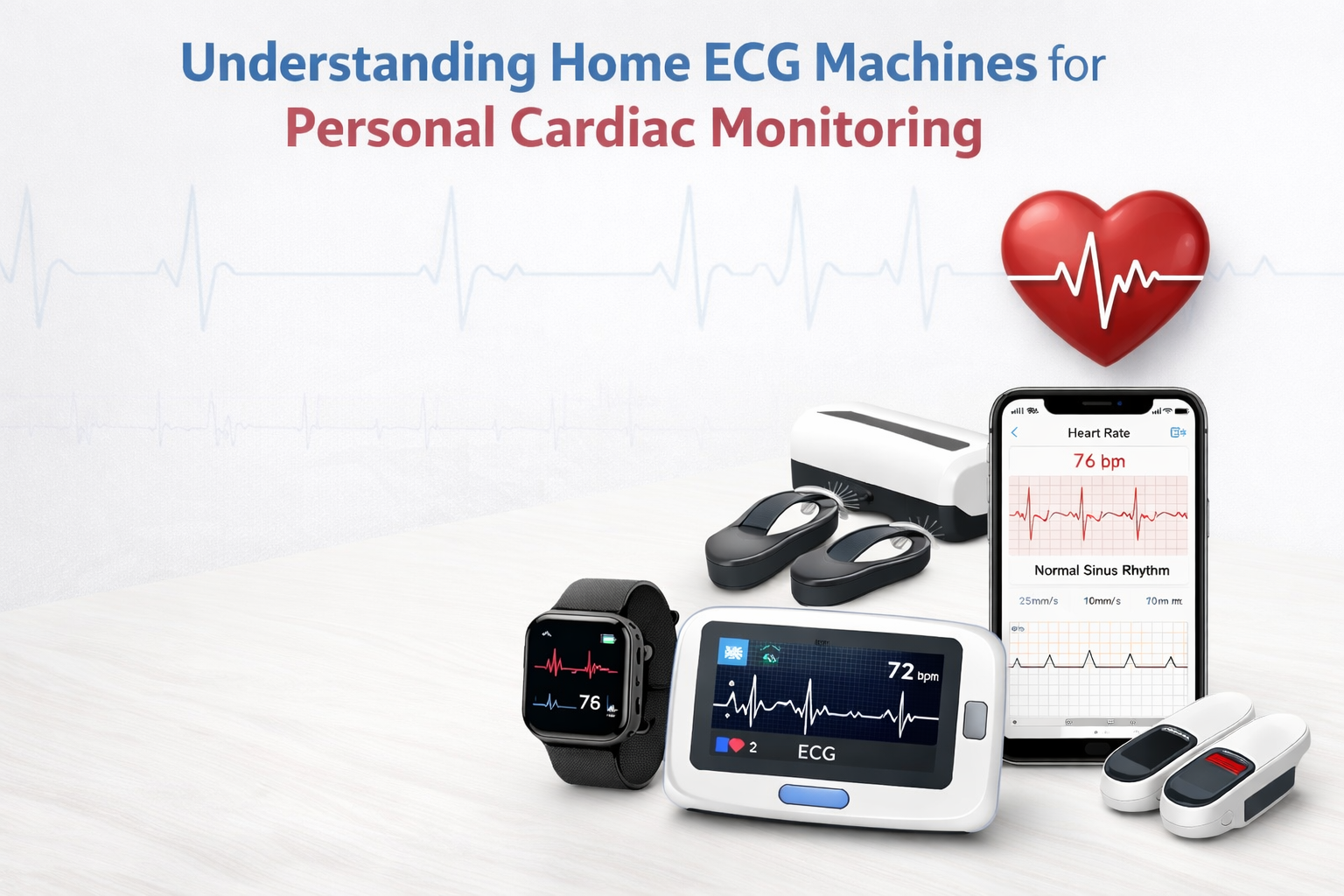
Heart health is no longer something people think about only after a medical emergency. Across the United States, more individuals are taking a proactive approach to cardiovascular care, driven by better awareness, improved technology, and easier access to health information. One of the most important developments in this space is the growing availability of the home ECG machine.
What was once bulky hospital equipment has evolved into compact, user-friendly devices designed for personal use. These machines allow people to monitor their heart activity at home, identify irregular patterns early, and share meaningful data with healthcare providers. For many, this represents a shift from reactive care to continuous, informed health management.
This guide takes a deep look at home ECG technology, how it works, who it is designed for, and why it is becoming a trusted part of modern healthcare in the USA.
The Growing Importance of At-Home Heart Monitoring
Cardiovascular disease remains one of the leading health concerns in the United States. At the same time, healthcare systems are increasingly focused on prevention and early detection. This has created strong demand for tools that allow people to keep track of their health outside clinical settings.
An ECG machine for home use fits perfectly into this model. It enables individuals to record heart activity in real-world conditions rather than during a short clinic visit. This is especially important for detecting irregular heart rhythms that may not appear consistently.
At-home monitoring also reduces unnecessary hospital visits, saves time, and offers peace of mind. For people managing chronic conditions, it supports continuity of care between appointments.
Understanding How Home ECG Devices Work
An ECG measures the electrical signals that control how the heart beats. These signals reveal valuable information about heart rhythm, rate, and overall cardiac function.
A home ECG device typically uses sensors or electrodes placed on the skin or built into a handheld or wearable form. When activated, the device records electrical activity and converts it into a readable waveform. Many modern devices analyze this data automatically and provide basic interpretations.
A home ECG monitor is designed to be intuitive, often requiring only a few steps to operate. This accessibility makes it suitable even for users without medical training.
Who Uses Home ECG Machines Today
The audience for at-home ECG monitoring is broader than ever.
A home ECG machine for heart patients is commonly used by individuals diagnosed with arrhythmia, atrial fibrillation, or other rhythm disorders. Regular monitoring helps detect changes early and provides doctors with valuable longitudinal data.
Older adults are another major group benefiting from home ECG technology. As the risk of heart rhythm irregularities increases with age, having a simple monitoring option at home can be reassuring.
People without diagnosed conditions are also using ECG devices as part of preventive care. Fitness enthusiasts, individuals under high stress, and those with a family history of heart disease may use home ECG monitoring to stay informed about their heart health.
Different Types of Home ECG Solutions
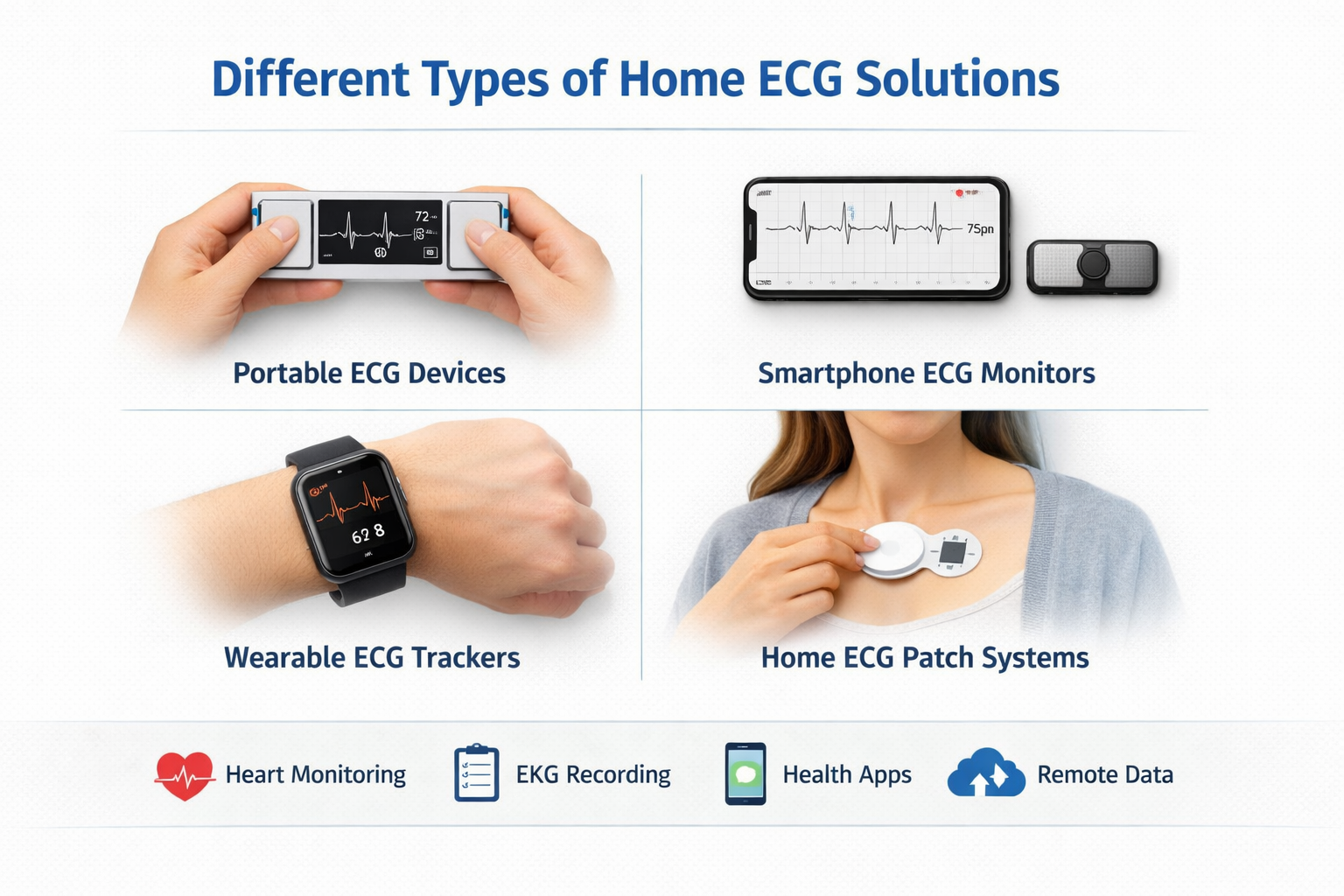
The market offers several formats, each suited to different needs and lifestyles.
A personal ECG machine is often handheld and used for spot checks. These devices are compact, easy to store, and ideal for occasional recordings when symptoms appear.
A portable ECG machine for home use provides flexibility for people who travel or want consistent monitoring in different locations. Lightweight designs make them convenient without compromising functionality.
Wearable options have also gained popularity. A wearable ECG monitor continuously tracks heart activity and is often worn throughout the day. This type of device is particularly useful for capturing intermittent events that might otherwise be missed.
There are also personal EKG monitors and personal EKG devices designed with simplicity in mind, offering quick recordings and straightforward reports for everyday users.
Accuracy and Reliability of Home ECG Machines
One of the most common questions users ask is about accuracy. Is a Home ECG Machine Accurate?
In most cases, the answer is yes. Modern home ECG devices are built using clinically validated technology. When used according to instructions, they provide reliable heart rhythm data suitable for monitoring and medical review.
While home devices typically do not replace comprehensive hospital ECG tests, they excel at identifying irregular rhythms and trends over time. Many healthcare providers now welcome data from home ECG recordings as part of ongoing patient management.
Accuracy depends on factors such as proper sensor placement, minimal movement during recording, and consistent usage. Following manufacturer guidelines ensures the best results.
Comparing Home ECG Devices and Smartwatch ECGs
The rise of smartwatches with ECG features has introduced new options for consumers.
When considering Home ECG Machine vs Smartwatch ECG, it is important to understand the difference in purpose. Smartwatches prioritize convenience and lifestyle integration, offering quick checks and continuous wear.
Dedicated home ECG machines are medical-focused tools. They often provide higher signal clarity, more detailed data, and better compatibility with healthcare systems. For individuals managing known heart conditions, a standalone ECG device may offer greater confidence.
Both options have value, and the right choice depends on individual health needs and expectations.
FDA Approval and Regulatory Standards in the USA
Regulatory oversight is a critical factor when choosing medical devices.
An FDA approved home ECG machine has been evaluated for safety and performance according to U.S. standards. Similarly, an FDA cleared ECG machine meets regulatory requirements for its intended use.
Selecting an ECG machine approved in USA helps ensure reliability and protects users from unverified products. FDA clearance does not mean the device replaces professional diagnosis, but it confirms that the product meets established safety criteria.
Consumers should always verify regulatory status, especially when using devices for health monitoring.
Smart Connectivity and App Integration
Modern ECG devices are designed to work seamlessly with digital platforms.
An ECG machine with app support allows users to view readings on smartphones, track changes over time, and store data securely. Apps often present results in easy-to-understand formats, making them accessible to non-medical users.
A wireless home ECG machine enhances convenience by eliminating cables and simplifying data transfer. Bluetooth connectivity enables quick syncing with mobile devices, encouraging regular use.
These features make heart monitoring more engaging and practical for everyday life.
Affordability and Access to Home ECG Technology
Cost used to be a significant barrier to personal ECG monitoring, but this has changed.
Today, an affordable home ECG machine is within reach for many consumers. Entry-level devices offer reliable monitoring without unnecessary complexity, while higher-end models provide advanced analytics and connectivity.
Affordability has expanded access to heart monitoring, allowing more people to participate in preventive care and long-term health management.
Monitoring Heart Rhythm at Home
A key advantage of ECG devices is their ability to track rhythm changes over time.
An ECG machine for heart rhythm monitoring helps identify irregularities such as skipped beats or unusually fast or slow heart rates. Recording these events as they happen provides valuable context for healthcare providers.
This type of monitoring is especially useful when symptoms are unpredictable. Capturing real-time data during daily activities offers insights that clinic-based testing may miss.
Who Needs a Home ECG Machine?
Who Needs a Home ECG Machine? The answer depends on individual health goals and circumstances.
People with diagnosed heart conditions, those recovering from cardiac procedures, and individuals under long-term medical observation are clear candidates. However, home ECG monitoring is not limited to these groups.
Health-conscious individuals interested in preventive care may use ECG devices occasionally to stay informed. Athletes, people under chronic stress, and those with genetic risk factors may also find value in monitoring their heart activity.
As always, personal use should complement—not replace—professional medical care.
Making Home ECG Monitoring Part of Daily Life
Integrating ECG monitoring into everyday routines is simple.
Most devices require only a few minutes per recording. Users may choose to take readings at regular intervals or only when symptoms occur. Over time, this creates a useful health record that supports informed discussions with healthcare professionals.
Consistency, proper usage, and realistic expectations are key to getting the most benefit from a home ECG device.
The Future of At-Home Heart Monitoring
Home ECG technology continues to advance rapidly. Improved sensors, artificial intelligence-based analysis, and deeper integration with telehealth platforms are shaping the future of personal heart monitoring.
As telemedicine becomes more common in the USA, data from home ECG devices will likely play a larger role in remote consultations and long-term care strategies.
These developments reflect a broader shift toward patient-centered healthcare, where individuals are active participants in managing their health.
Final Thoughts
A home ECG machine represents a powerful tool in modern heart health management. By combining medical-grade technology with convenience and accessibility, these devices empower users to stay informed about their cardiovascular well-being.
For individuals in the United States, choosing a reliable, FDA-compliant device and using it responsibly can support early detection, better communication with healthcare providers, and greater peace of mind.
As healthcare continues to move closer to home, at-home ECG monitoring stands out as a practical, forward-thinking approach to heart care.